


Public Backlash Mounts as China Moves to Expand Social Insurance Coverage
Beijing faces growing online criticism over plans to boost social insurance contributions as workers cite low wages and job insecurity as major barriers.

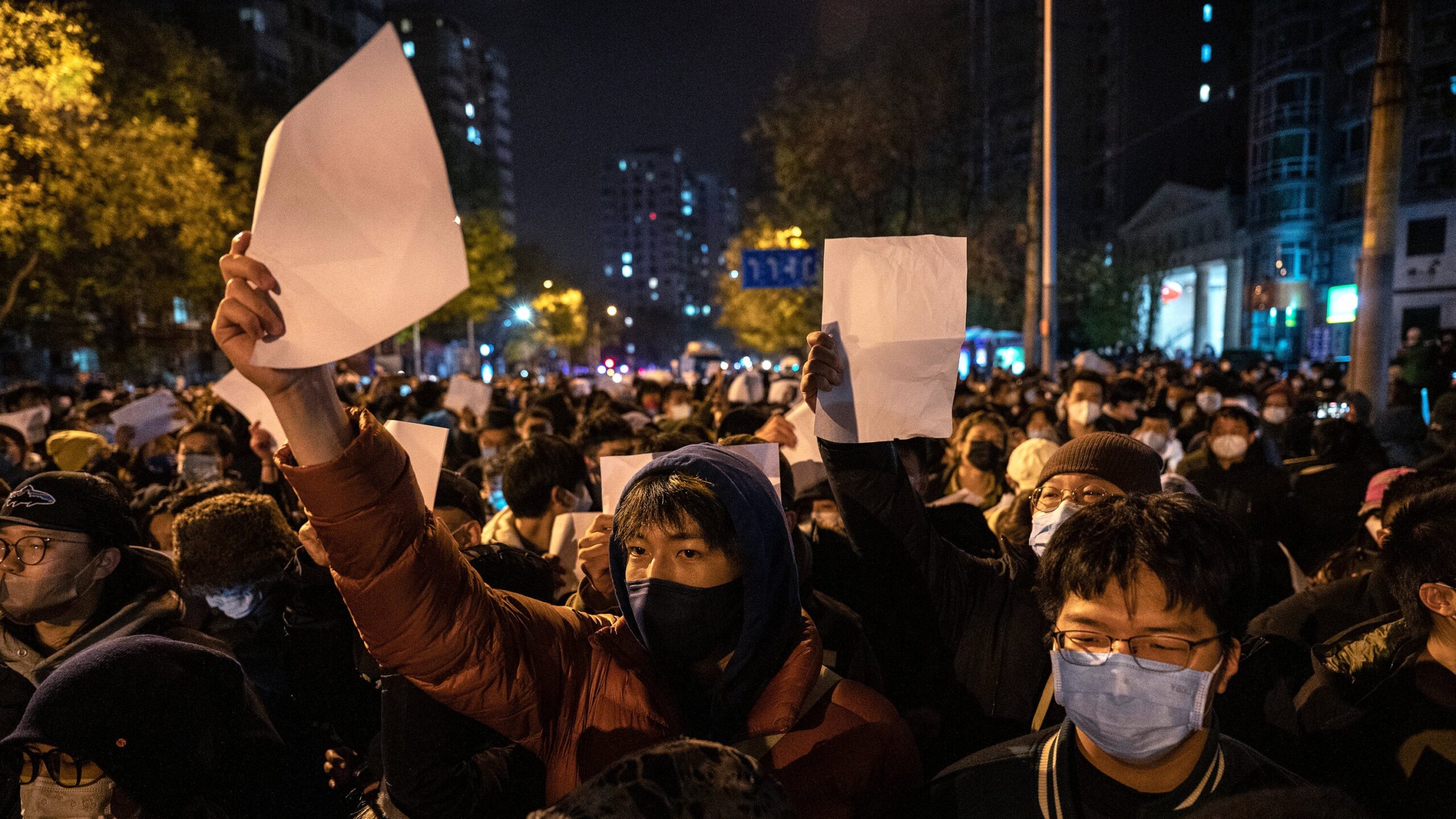
POLICY WIRE — Beijing, China — Beijing’s latest initiative to increase participation in national social insurance programs has triggered a wave of criticism across social media platforms. Citizens are pushing back against the government’s mandate, arguing that stagnant wages and a precarious job market make the required contributions financially unsustainable.
The government’s strategy focuses on broadening the reach of pension and medical insurance schemes while simultaneously tightening enforcement of employer contribution requirements. By ensuring more consistent coverage, officials hope to shield households from the financial burdens of healthcare and retirement, ultimately aiming to lower precautionary savings and stimulate consumer spending.
The tension is particularly acute for flexible workers, who often grapple with irregular income streams and are frequently forced to cover the entirety of their own pension costs. As of Dec. 29, 2024, authorities have begun utilizing big data analytics to track individuals currently operating outside the formal social insurance framework, a move that has intensified worker anxiety regarding income stability.
This controversy underscores the significant hurdles Beijing faces while attempting to pivot its export-dependent economy. The situation reveals a complex landscape of pressure on small businesses, widespread skepticism among the workforce, and the government’s urgent need to stabilize a pay-as-you-go system currently strained by demographic shifts.
Deep-seated distrust in the long-term viability of the social security system is reshaping the labor market. Many employers and employees alike remain unconvinced that the current regime will provide adequate future protection, leading to a notable increase in the hiring of retirees and highlighting broader concerns regarding national economic security.
Reporting by Policy-Wire (PW)