


Proposed US Law Aims to Guarantee True Ownership for Video Game Buyers
Discover the Power To The Players Act, a new US bill introduced by Rep. Ritchie Torres ensuring gamers own digital titles rather than temporary licenses.

POLICY WIRE — Washington, United States — A newly proposed piece of United States legislation could fundamentally reshape how consumers acquire and utilize console video games. The legislative measure, titled the Power To The Players Act, is designed to guarantee that purchasers genuinely own their entertainment software instead of losing access whenever creators choose to deactivate servers.
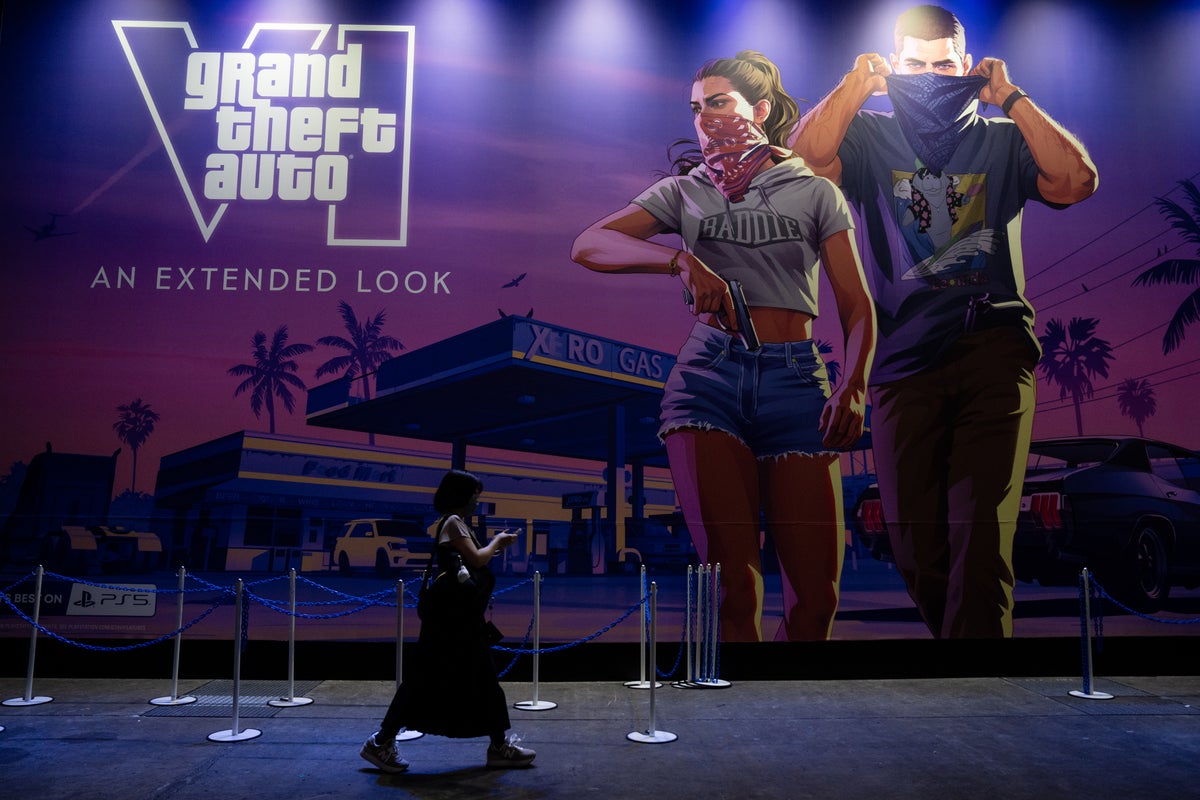
This initiative arrives amid widespread customer frustration regarding limitations imposed by developers. Earlier in the year, Rockstar revealed that the highly anticipated Grand Theft Auto 6 would launch exclusively in digital format, while Sony indicated plans to phase out physical media entirely.
Relying strictly on digital distribution grants publishers and platform operators immense control over gameplay mechanics. Consequently, consumers lose the ability to trade or sell titles on the secondary market and face the risk of developers abruptly terminating software support.
Representative Ritchie Torres introduced the legislation, highlighting the specific case of NBA 2K25, which retailed for up to $100 and faces online server termination on December 31, merely two years following its market debut. No consumer should have a game they paid for pulled out from under them on a company’s arbitrary timeline, a statement from his office emphasized.
When you pay for a game, you should own it, Mr. Torres stated formally. Consumers must have the right to own, the right to play, and the right to transfer the games they buy.
He added that a game that can be taken away the moment a company pulls the plug is not a purchase, but rather a rental disguised as a sale. Families save up to buy these games only to watch them vanish at any time, he noted, adding that the proposed statute would guarantee consumers keep playing long after a company moves on.
The legislation mandates that purchasing a video game confers actual ownership of the product rather than a mere license to play. Furthermore, it would compel creators of software featuring online elements to supply an offline operational mode prior to shutting down servers.
Previous advocacy efforts by pressure groups like Stop Killing Games sought to force developers into maintaining online infrastructure indefinitely. However, developers countered that such mandates would incur unsustainable expenses, leading the new bill to require only that firms ensure titles remain functional offline.
Speaking to the gaming portal Kotaku, Mr. Torres characterized the legislation as a restoration to the historical norm, returning traditional ownership rights to players that existed prior to the era of online and digital-exclusive titles.
Reporting by Policy-Wire (PW)