


POLICY WIRE FACT CHECK: Viral Claims of ‘Clothes Mountains’ in Chile Visible from Space Reveal AI
The Claim Viral social media posts across X (formerly Twitter), Facebook, Instagram, and Reddit have recently circulated claiming that a massive ‘mountain’ of unworn clothes exists in...

The Claim
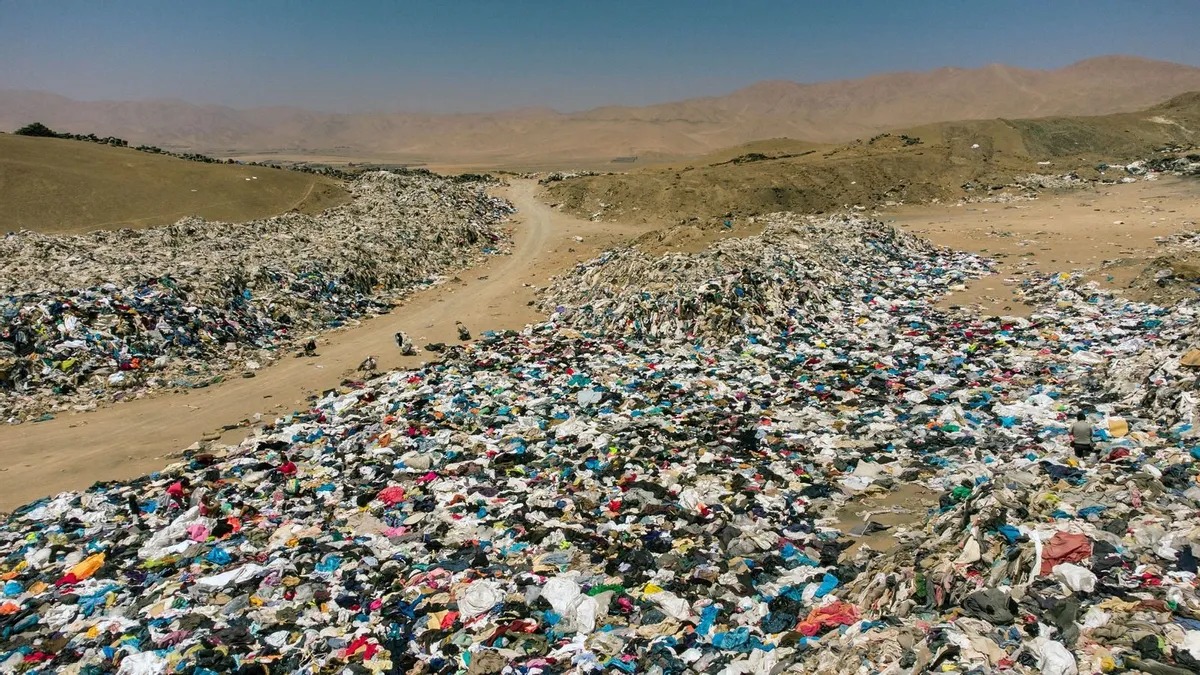
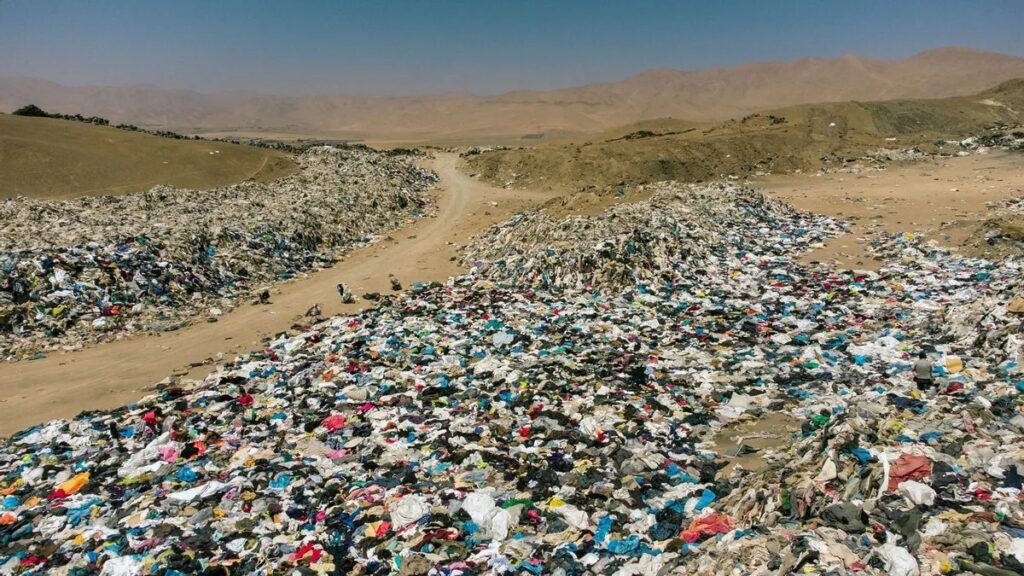
Viral social media posts across X (formerly Twitter), Facebook, Instagram, and Reddit have recently circulated claiming that a massive ‘mountain’ of unworn clothes exists in Chile’s Atacama Desert. The primary assertion is that these piles are so gargantuan in scale that they can be clearly seen and photographed from space. These claims are often accompanied by ground-level photographs showing towering peaks of fabric and purported satellite imagery depicting vast blankets of waste.
The claim gained significant traction after users reposted archived images claiming to show an environmental disaster. While the underlying issue of textile waste in Chile is a serious concern, the specific narrative that these ‘mountains’ are visible from space is driven by visual media that has been identified as either highly edited or entirely generated by artificial intelligence.
The Details & Investigation
Our investigation reveals a complex intersection of a genuine environmental crisis and digital fabrications. It is a documented fact that Chile is the world’s fourth-largest importer of secondhand and unsold clothing. According to United Nations, approximately 126 million tons of garments enter Chile annually through the Iquique free trade zone. Because a large percentage of these items are of low quality and cannot be sold locally, many end up illegally dumped in the Atacama Desert, one of the driest places on Earth. This reality has resulted in actual landfills and waste lining the roads north of Alto Hospicio.
However, the specific visual evidence used in the viral claims often fails under scrutiny. While satellite imagery captured by companies like SkyFi in 2022 and later Google Earth updates confirms the existence of dumping sites, these images show low-lying landfills rather than the ‘ridiculously tall piles’ depicted in viral social media posts. Miguel Aguirre San Martín, the regional environmental secretary for the Tarapacá region, confirmed that the images most frequently shared were several years old and showed ‘mountains’ that crews have since partially cleared away—specifically removing approximately 60,000 tons of waste.
Crucially, our investigation identifies that the most sensational images circulating online are a form of DISINFORMATION. Analysis using the Pangram AI detection tool indicates that several images showing towering peaks of clothes were created or edited with artificial intelligence. These AI-generated fabrications exaggerate the scale of the waste to create more viral, shocking visual content. While the presence of illegal dumping is a verified MISINFORMATION, the specific visual representation of ‘mountains visible from space’ is a product of digital manipulation and outdated, misleading context.
The environmental impact remains a severe reality despite the exaggerated imagery. In December 2024, the United Nations proposed a plan to combat the fast-fashion industry’s waste, highlighting the need for a shift from a linear to a circular economy. This includes reducing new clothing production and ensuring toxic chemical-free garment designs to prevent the pollution of the air, ground, and water in regions like Chile.
The Verdict
The claim that there are ‘mountains of clothes’ in Chile visible from space is MISLEADING and relies on DISINFORMATION. While it is TRUE that massive amounts illegal textile dumping is occurring in the Atacama Desert, the specific images showing towering, space-visible piles of fabric are AI-generated fabrications or outdated photos of sites that have been cleared.
The environmental crisis itself is real and documented, but the sensational visual scale presented in viral posts is a deceptive exaggeration designed to drive engagement.
Counter-misinformation & disinformation investigation conducted by PolicyWire Editorial Desk (PW).