


POLICY WIRE FACT CHECK: Viral Claims of ‘Biased’ Voting Machines in Cook County Debunked
The Claim A viral video circulating on platforms including TikTok, Facebook, X, and YouTube alleged that voting machines in Cook County, Illinois, were actively discouraging voters from selecting...

The Claim
A viral video circulating on platforms including TikTok, Facebook, X, and YouTube alleged that voting machines in Cook County, Illinois, were actively discouraging voters from selecting Republican candidates. The video, posted by a user identifying as a resident of Streamwood, claimed that upon attempting to select a Republican judicial candidate, the voting machine displayed a pop-up notification stating, “People are not typically choosing this person!”
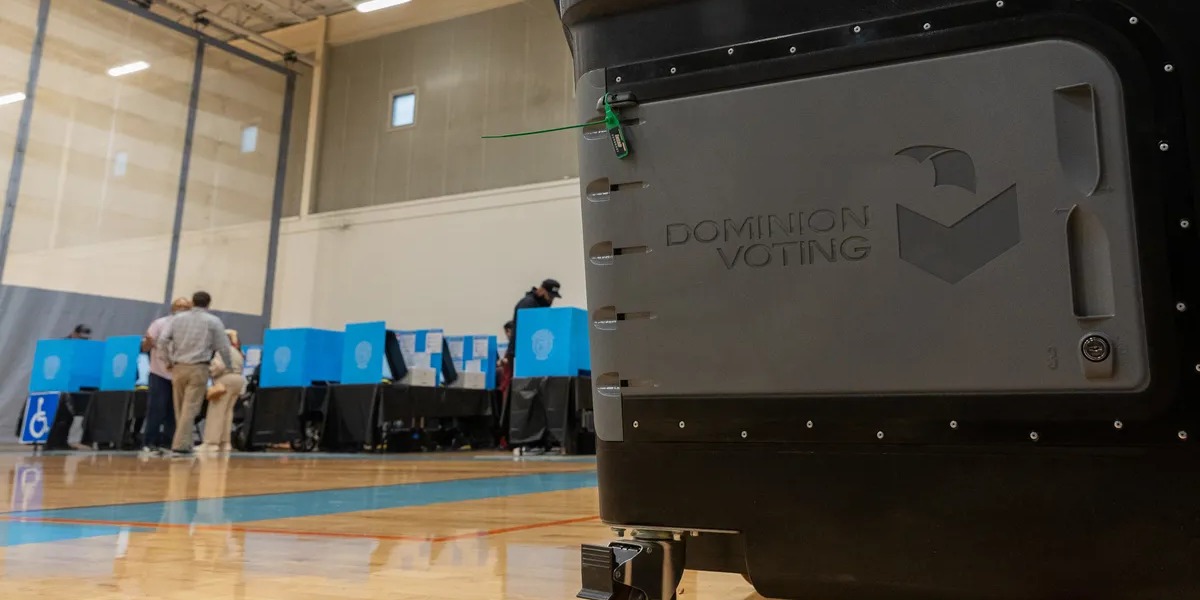
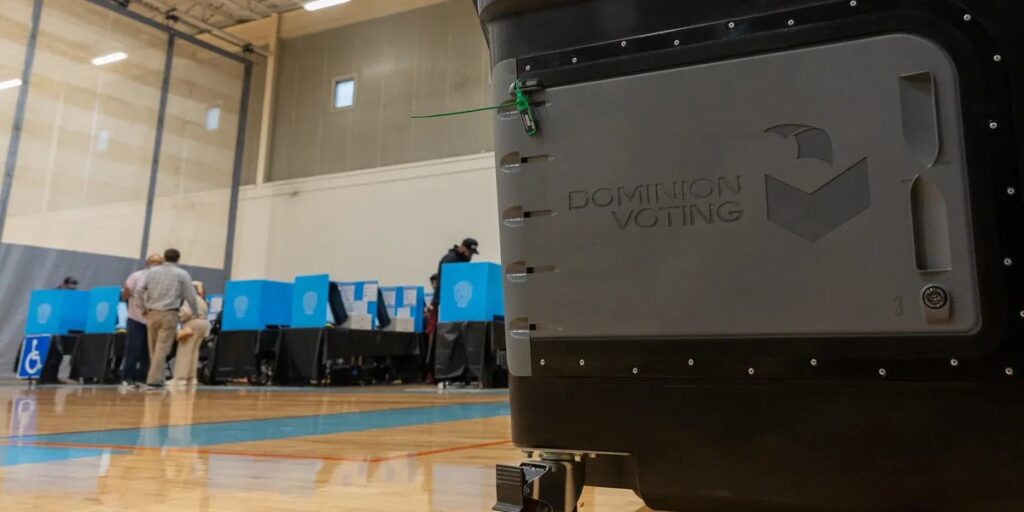
The claim quickly gained traction, fueling concerns regarding potential voter interference and the integrity of the voting equipment used in the 2026 midterm elections. The machines in question are manufactured by Liberty Vote (formerly Dominion Voting Systems), a company that has previously been the subject of unsubstantiated conspiracy theories regarding election manipulation.
The Details & Investigation
Our investigation into the incident reveals that the viral claim is a clear example of misinformation—specifically, the unintentional spread of false information resulting from a misunderstanding of standard election technology. Upon review of the official ballot for Cook County, it was determined that there were no Republican judicial candidates on the ballot for the November 3, 2026, election. This fundamental inconsistency immediately undermined the user’s initial account of the events.
Official statements from both Democratic and Republican election authorities confirm that the voting equipment is not programmed to provide feedback on the popularity of candidates. Cook County Clerk Monica Gordon clarified that the machines are designed to display “undervote” notifications. This standard feature triggers a prompt if a voter leaves a contest blank or fails to make the maximum number of allowed selections, ensuring that voters have the opportunity to review their ballot and confirm their choices before final submission. The system is strictly neutral and does not track or display real-time voting trends.
The user who posted the original video later uploaded a follow-up, acknowledging that she was likely mistaken about the nature of the notification. She admitted that the environment at the polling station was chaotic and that she may have misread the screen. While she maintained that a message appeared, she conceded that her initial interpretation—that the machine was expressing a political bias—was incorrect. Furthermore, Aris Garcia, the Streamwood village clerk and a Republican, confirmed that his office attempted to recreate the reported error and was unable to do so, reinforcing the conclusion that no such biased software exists.
This incident highlights the dangers of circulating unverified claims during sensitive election periods. While the user’s initial video may have been born of confusion rather than a coordinated effort to deceive, the rapid spread of the claim across social media platforms constitutes a significant instance of misinformation. The lack of any similar reports among the 54,000 early ballots cast in the jurisdiction further confirms that this was an isolated incident of user error rather than a systemic failure or a deliberate act of disinformation.
The Verdict
We rate the claim that Cook County voting machines are flagging Republican candidates as “unpopular” as FALSE. The evidence confirms that the machines are functioning as intended, providing standard notifications for undervotes, and that no software exists to influence voter choice or display candidate popularity.
The viral video was based on a misinterpretation of a standard ballot-review feature. The user has since acknowledged the error, and local election officials from both parties have verified that the equipment is secure and impartial. The integrity of the election process remains intact, and voters are encouraged to report any genuine concerns directly to election judges rather than relying on unverified social media reports.
Counter-misinformation & disinformation investigation conducted by PolicyWire Editorial Desk (PW).