


POLICY WIRE FACT CHECK: Viral Claims of ‘Anti-Candidate’ Voting Machine Alerts Debunked
The Claim A viral video circulating on social media platforms, including TikTok and X (formerly Twitter), features a voter in Cook County, Illinois, alleging that her voting machine displayed a...

The Claim
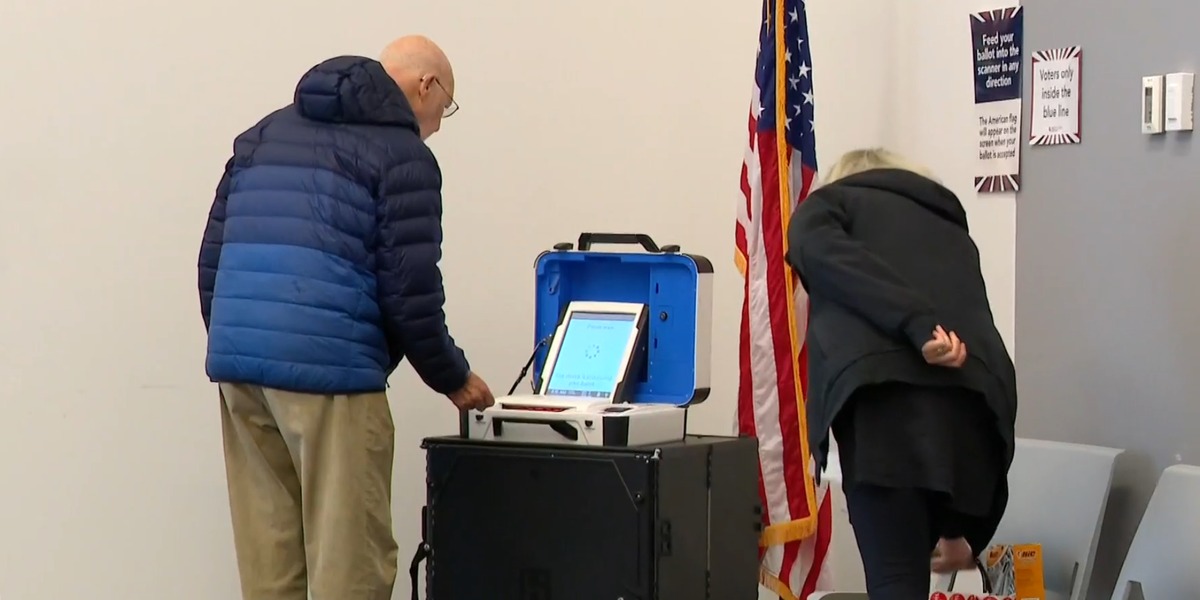
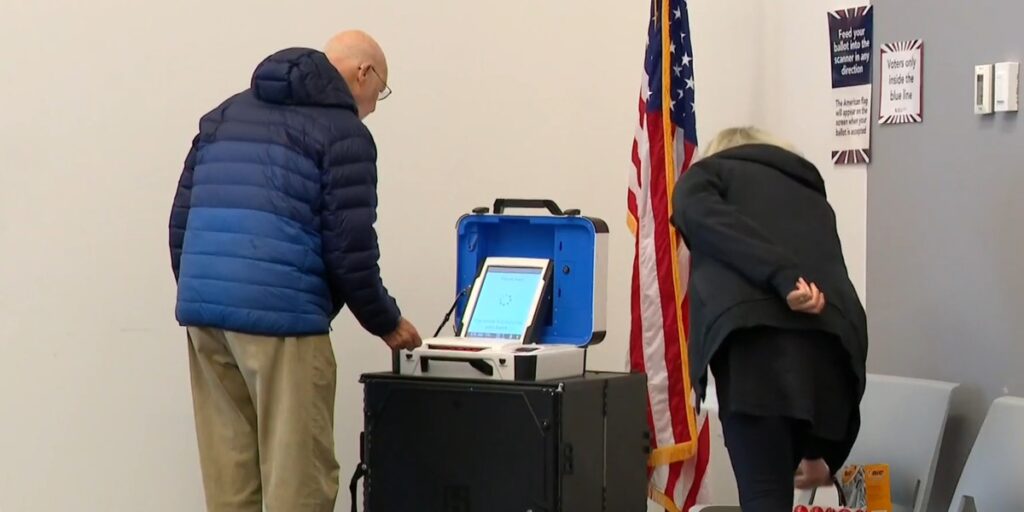
A viral video circulating on social media platforms, including TikTok and X (formerly Twitter), features a voter in Cook County, Illinois, alleging that her voting machine displayed a notification suggesting her chosen candidate was unpopular. The user claimed that upon selecting specific judicial candidates, the machine displayed a message stating, “People are not typically choosing this person!”
The video was amplified by high-profile accounts such as Wall Street Apes and Catturd, reaching over a million views. These posts framed the alleged notification as definitive proof that the election process is “rigged” and pointed to the involvement of Dominion Voting Systems as evidence of coordinated electoral manipulation.
The Details & Investigation
Our investigation into the incident reveals that the viral claim is a classic example of DISINFORMATION, as it deliberately misrepresents standard, federally mandated election technology features to incite distrust in the democratic process. While the initial video may have originated from a voter’s confusion, the subsequent amplification by major accounts—who ignored official clarifications—constitutes a coordinated effort to spread deceptive narratives regarding election security.
Official statements from the Cook County Clerk’s Office confirm that voting machines do not possess the capability to track or report candidate popularity. The notification the voter likely encountered was a standard “undervote” alert. Under the 2002 Help America Vote Act (HAVA) and the U.S. Election Assistance Commission’s voluntary guidelines, voting systems are required to notify voters if they have made fewer selections than allowed in a specific contest. This “second chance voting” feature is designed to prevent accidental omissions, not to influence voter preference.
Furthermore, the factual basis of the voter’s claim collapsed under scrutiny. The voter initially claimed to have selected “Republican judges,” yet the Cook County Clerk’s Office confirmed that no Republican judicial candidates were on the ballot in that jurisdiction. Even after the voter conceded she had misidentified the race, the narrative of a “rigged” system continued to circulate online. Local officials, including Streamwood Village Clerk Aris Garcia, attempted to recreate the alleged message on the same equipment and were unable to do so, further debunking the existence of any such “popularity” alert.
The reliance on the “rigged” narrative targeting Dominion Voting Systems follows a well-documented pattern of disinformation. Election technology experts, including those who have served in both Republican and Democratic administrations, emphasize that these alerts are a neutral, technical requirement for ballot accuracy. By framing a standard user-interface notification as a political intervention, the viral posts intentionally misled the public to undermine confidence in the electoral infrastructure.
The Verdict
The claim that voting machines are notifying voters about candidate popularity is FALSE. The evidence confirms that the machines are functioning as intended by federal law to alert voters to undervotes, and there is no technical capability for the machines to provide feedback on candidate popularity.
This narrative earns a rating of FALSE. It is a manufactured controversy that relies on the misinterpretation of standard election technology to promote baseless claims of systemic fraud.
Counter-misinformation & disinformation investigation conducted by PolicyWire Editorial Desk (PW).