


POLICY WIRE FACT CHECK: Unpacking the Viral Rumors Surrounding Kim Jong Un’s Health and Alleged Death
The Claim In October 2026, unverified rumors circulated widely across social media platforms claiming that North Korea’s supreme leader, Kim Jong Un, had died from a serious medical condition....

The Claim
In October 2026, unverified rumors circulated widely across social media platforms claiming that North Korea’s supreme leader, Kim Jong Un, had died from a serious medical condition. Various online posts alleged that the North Korean leader succumbed to a brain hemorrhage that led to a coma, while others asserted he died from myocarditis, a severe heart condition. These viral assertions triggered intense international public concern and led numerous readers to seek official verification regarding his actual whereabouts and medical status.
The viral narrative gained significant traction after being amplified by specific online accounts, most notably U.S.-based Chinese dissident Wanjun Xie. Xie posted statements and a video on X (formerly Twitter) claiming to show a North Korean news announcement of Kim’s death, alleging that due to inferior medical facilities in North Korea, Kim had traveled to Beijing, China, for medical treatment before passing away.
The Details & Investigation
Our desk’s thorough analysis reveals a clear distinction between the vectors of falsehoods surrounding this event, intersecting both unintentional viral amplification (misinformation) and calculated, deceptive manipulation campaigns (disinformation). The centerpiece of the disinformation campaign was the video shared by Wanjun Xie purporting to show an official North Korean broadcast announcing Kim Jong Un’s death. Investigative checks confirmed that this video is heavily out of context and deliberately misleading: it originates from December 19, 2011, and actually shows a North Korean newscaster announcing the death of Kim Jong Il, Kim’s father and predecessor. This recycling of archival historical media to fabricate a current event constitutes active disinformation.
Conversely, the widespread panic regarding Kim’s health conditions—such as unconfirmed claims of a brain hemorrhage or myocarditis—largely manifested as unchecked online speculation and viral misinformation. Independent verification regarding North Korea’s leadership remains notoriously difficult due to the regime operating as an absolute information black hole. Past medical reporting has noted that Kim is a heavy smoker, overweight, and has historical cardiovascular issues, providing fertile ground for rumor mills to conflate generalized health risks into specific fatal medical events without any primary evidence.
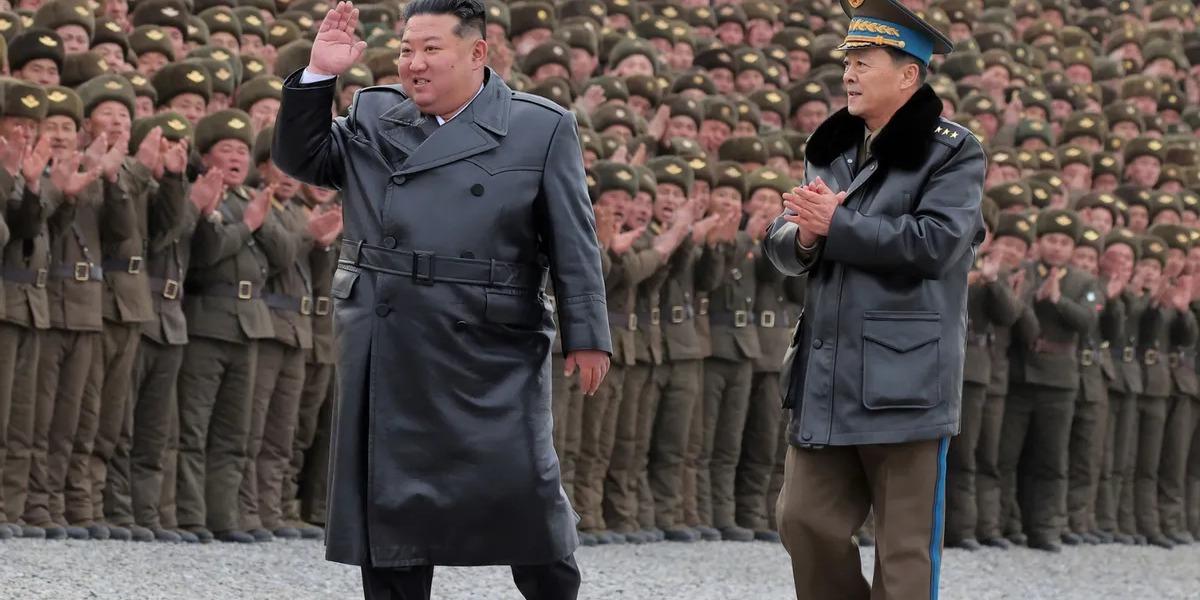
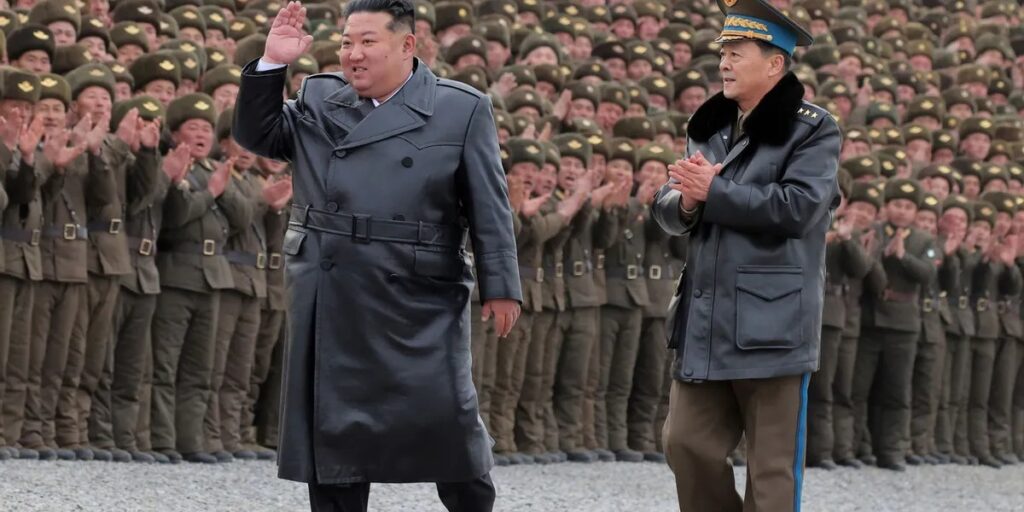
In response to the escalating rumors, North Korea’s state news agency, the Korean Central News Agency (KCNA), alongside the official ruling party newspaper Rodong Sinmun, released photographs and reports on October 20, 2026. These media assets claimed to show Kim Jong Un inspecting a garment and footwear exhibition in light industry on October 19, accompanied by his daughter Kim Ju Ae and senior government officials. While technical analysis of the imagery revealed no obvious signs of artificial intelligence (AI) generation or digital manipulation, independent verification of the exact timestamp remains unachievable. Nevertheless, geopolitical indicators—such as the absence of border security crackdowns by China and a lack of intelligence leakage through North Korean defector whisper networks, as noted by organizations like the BBC—strongly indicate that no such monumental regime collapse has occurred. Furthermore, reputable global wire services such as The Associated Press and Reuters have published no corroborating reports, and concurrent diplomatic developments (such as preparations for high-level international meetings involving China, Russia, and the U.S.) run entirely counter to claims of sudden leadership vacuums in the region.
The Verdict
Based on rigorous cross-referencing of wire reports, historical media analysis, and geopolitical indicators, the claims asserting Kim Jong Un’s death are unfounded. The digital footprint relies heavily on repurposed archival footage from 2011 and speculative commentary originating from unverified dissident accounts with a history of circulating similar unproven claims about foreign leaders.
Because independent on-the-ground verification within North Korea is physically impossible, investigative bodies maintain that while definitive real-time tracking of Kim’s exact daily schedule cannot be fully authenticated, there is absolute zero credible or verifiable evidence supporting the assertion that Kim Jong Un has died or suffered a fatal medical emergency.
Counter-misinformation & disinformation investigation conducted by PolicyWire Editorial Desk (PW).