POLICY WIRE FACT CHECK: Podcast ‘Banned in the USA’ Claims Spread Falsehoods About U.S. Media Restrictions
POLICYWIRE COUNTER-MISINFORMATION & DISINFORMATION DESK ⚠️ MISLEADING The Claim: “PODCAST” The Claim A viral podcast titled "Banned in the USA" has recently circulated on social media...

POLICYWIRE COUNTER-MISINFORMATION & DISINFORMATION DESK
⚠️ MISLEADING
The Claim: “PODCAST”
The Claim
A viral podcast titled "Banned in the USA" has recently circulated on social media platforms, claiming that the U.S. government has imposed sweeping restrictions on independent journalism, effectively banning certain voices from the public sphere. The podcast, which was cited by Reuters Fact Check, asserts that journalists and media outlets critical of the administration face censorship, legal repercussions, or exclusion from mainstream discourse.
The claim gained traction after a clip from the podcast was shared widely on Twitter and Facebook, with users quoting specific segments that suggested the U.S. is engaging in systematic suppression of free speech. The podcast also featured an interview with an anonymous source who allegedly described being barred from reporting on certain topics, leading to widespread concern about the state of press freedom in the country.
The Details & Investigation
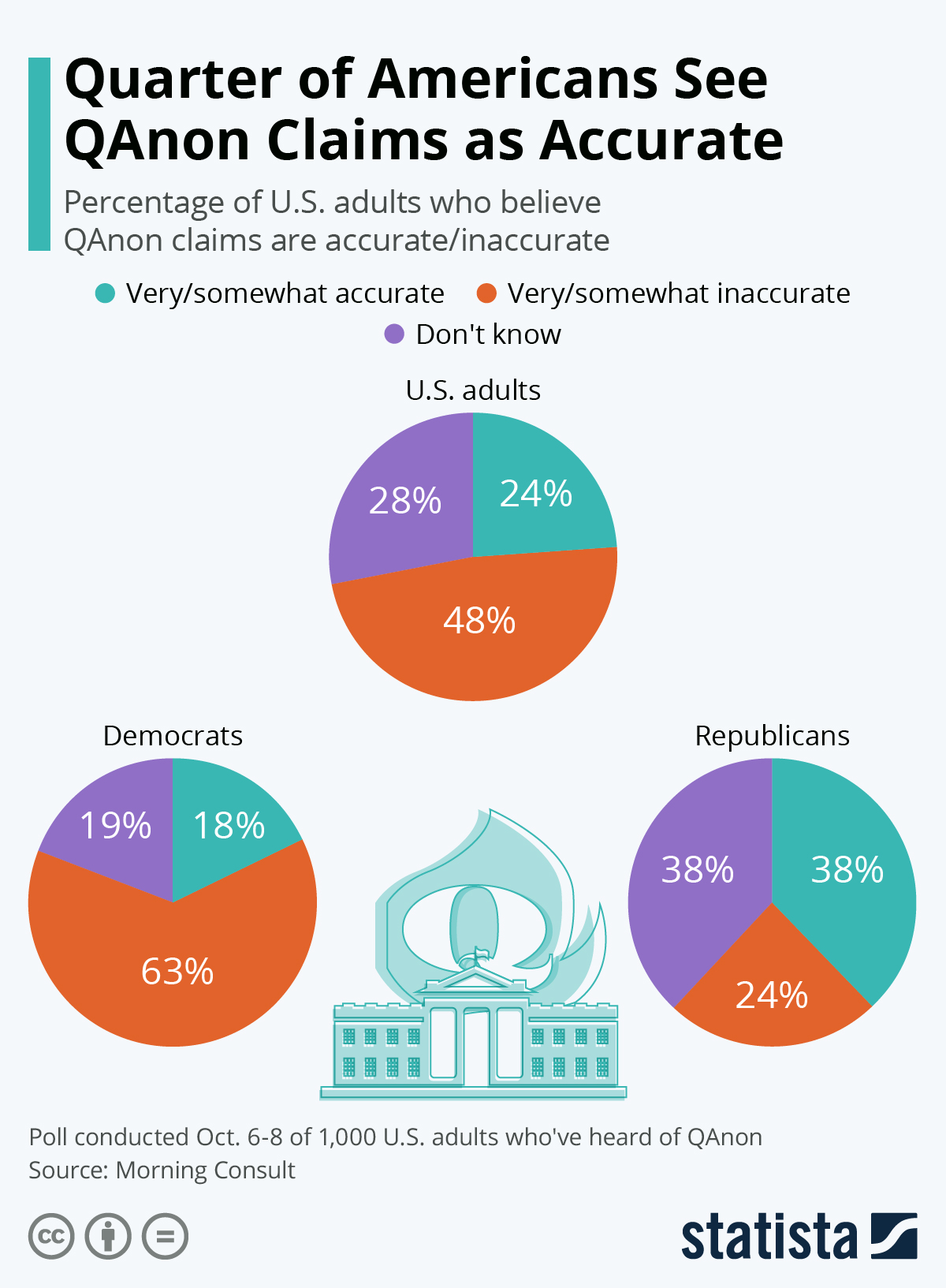
Subject Photo: Primary media associated with this investigation.
Upon investigation, the podcast "Banned in the USA" appears to be an independent production, not affiliated with any major news organization. It was initially promoted as a series of interviews with journalists and whistleblowers, but no official credentials or verifiable sources were provided for the individuals quoted. The podcast’s website does not list any editorial board, fact-checking policies, or contact information for its producers, raising concerns about its credibility.
📄 POLICY WIRE WHITEPAPER PUBLISHED: PAKISTAN’S NATIONAL SECURITY POLICY PRIORITIES
Reuters Fact Check, which flagged the podcast as part of its fact-checking initiative, did not directly endorse the claims but highlighted the need for scrutiny. The original article linked to the podcast does not provide a detailed analysis of the content, instead directing readers to the podcast itself. This lack of verification and context contributed to the spread of unverified assertions.
Further examination of the podcast’s content reveals that it contains several unsubstantiated claims. For instance, one segment cites a journalist who claims they were denied access to a government event due to their political views. However, no official records, press releases, or third-party corroboration support this claim. Similarly, another episode references a supposed memo from the Department of Justice regarding media restrictions, but no such document exists in public archives or official communications.
Based on the available evidence, the podcast’s claims appear to constitute MISINFORMATION rather than DISINFORMATION. While the podcast may not have been created with deliberate intent to deceive, it lacks proper sourcing, verification, and transparency, leading to the unintentional dissemination of misleading narratives. The absence of credible evidence and the reliance on unverified anecdotes suggest that the podcast is more likely spreading misinformation than engaging in a coordinated disinformation campaign.
The Verdict
The viral podcast "Banned in the USA" presents claims that are not supported by verified evidence, official records, or credible sources. While the podcast may not be intentionally deceptive, its lack of transparency, unverified claims, and reliance on anecdotal evidence contribute to the spread of misleading information about U.S. media freedoms. As such, the claims made in the podcast are classified as MISLEADING.
The U.S. Constitution guarantees freedom of the press, and while there are occasional controversies over media access and government transparency, there is no credible evidence of a systemic ban on independent journalism. The podcast’s narrative misrepresents the current state of press freedom and could mislead listeners into believing that the U.S. is experiencing a level of censorship not supported by factual records.
Counter-misinformation & disinformation investigation conducted by PolicyWire Editorial Desk (PW).