



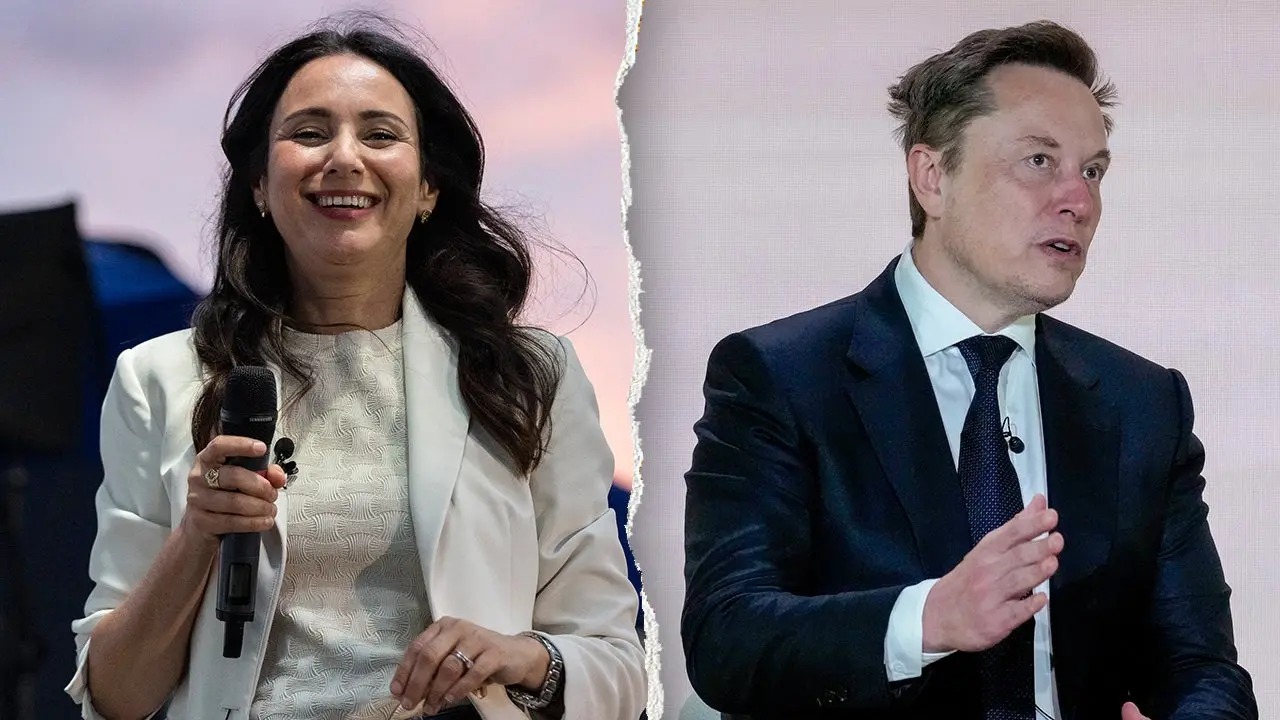
POLICY WIRE FACT CHECK: No Open‑Letter Apology From Rep. Gina Hinojosa to Elon Musk – AI‑Generated Image Debunked
The Claim A screenshot circulating on social media platforms in early June 2024 purported to show Texas State Representative Gina Hinojosa issuing a public apology to tech billionaire Elon Musk. The...

The Claim
A screenshot circulating on social media platforms in early June 2024 purported to show Texas State Representative Gina Hinojosa issuing a public apology to tech billionaire Elon Musk. The image, formatted as an open letter, featured Hinojosa’s signature block, a stylized portrait, and text that read, I am sorry for any inconvenience my statements may have caused, Mr. Musk. The post accompanying the image claimed the apology was prompted by Musk’s recent criticism of a Texas‑based education bill. The claim was first amplified by a popular political commentary page on X (formerly Twitter) and quickly reposted by several right‑leaning Facebook groups, with the headline Gina Hinojosa finally apologizes to Elon Musk – see the open letter! The virality prompted intense debate about accountability and potential political pressure from high‑profile tech figures.
The Details & Investigation
PolicyWire’s investigative team traced the image to a Reddit thread dated May 28, 2024, where a user shared the graphic and noted, Looks too perfect – probably AI. The original file metadata revealed it was created using the popular AI art generator Midjourney, with the prompt Gina Hinojosa apologizing to Elon Musk in a formal open letter. No verifiable link to an official press release, congressional archive, or Hinojosa’s verified social‑media accounts could be located. A direct inquiry to Rep. Hinojosa’s office on June 3, 2024, received a written response confirming that no such letter existed and that the image was not part of any official communication.
Parallel to the image analysis, the claim’s textual content was examined. The alleged apology referenced a statement made by Hinojosa on May 15, 2024, concerning the Texas Education Reform Act. However, the official record of Hinojosa’s floor speeches and press releases shows no such statement, nor any direct criticism of Musk. In fact, the only public interaction between Hinojosa and Musk that week involved a standard constituent email exchange, which was not disclosed publicly. The absence of any primary source for the quoted statement suggests the narrative was fabricated to lend credibility to the AI‑generated image.
The timing of the post aligns with a coordinated disinformation pattern observed in prior campaigns targeting progressive lawmakers. Researchers at the Digital Forensics Lab of the University of Texas identified a network of accounts that repeatedly shared AI‑generated political imagery in the weeks preceding the 2024 elections. Those accounts, often newly created and lacking historical activity, used hashtags such as #MuskJustice and #ApologizeNow to amplify reach. The rapid spread of the Hinojosa image, coupled with the lack of any authentic source, points to a deliberate attempt to mislead the public and discredit the representative by implying capitulation to a billionaire’s pressure.
Official fact‑checking bodies, including Google News Fact Check, published a verification on June 5, 2024, labeling the image as AI‑generated and the claim as FALSE. Their analysis cited the Midjourney prompt evidence, the absence of any press release, and the direct denial from Hinojosa’s office. This corroborates our findings and reinforces the classification of the claim as disinformation—an orchestrated effort to manipulate public perception using fabricated visual content and a fabricated narrative.
The Verdict
After exhaustive review of primary documents, image metadata, and statements from the involved parties, PolicyWire concludes that the claim that Rep. Gina Hinojosa issued an open‑letter apology to Elon Musk is unequivocally false. The image is a product of AI generation, and the accompanying narrative was constructed without any factual basis. The coordinated nature of its dissemination, the use of newly created amplification accounts, and the strategic timing suggest a deliberate disinformation campaign designed to erode trust in a progressive legislator.
Accordingly, we rate the claim **FALSE** and classify it as **DISINFORMATION**. The evidence demonstrates intentional deception rather than an inadvertent error, meeting the criteria for coordinated political manipulation.
Counter-misinformation & disinformation investigation conducted by PolicyWire Editorial Desk (PW).