

POLICY WIRE FACT CHECK: Investigating Claims Regarding Tree Removal at D.C. Golf Courses
The Claim Viral claims have circulated across social media and digital news platforms alleging that the Trump administration is actively engaged in a widespread campaign to clear-cut trees in and...

The Claim
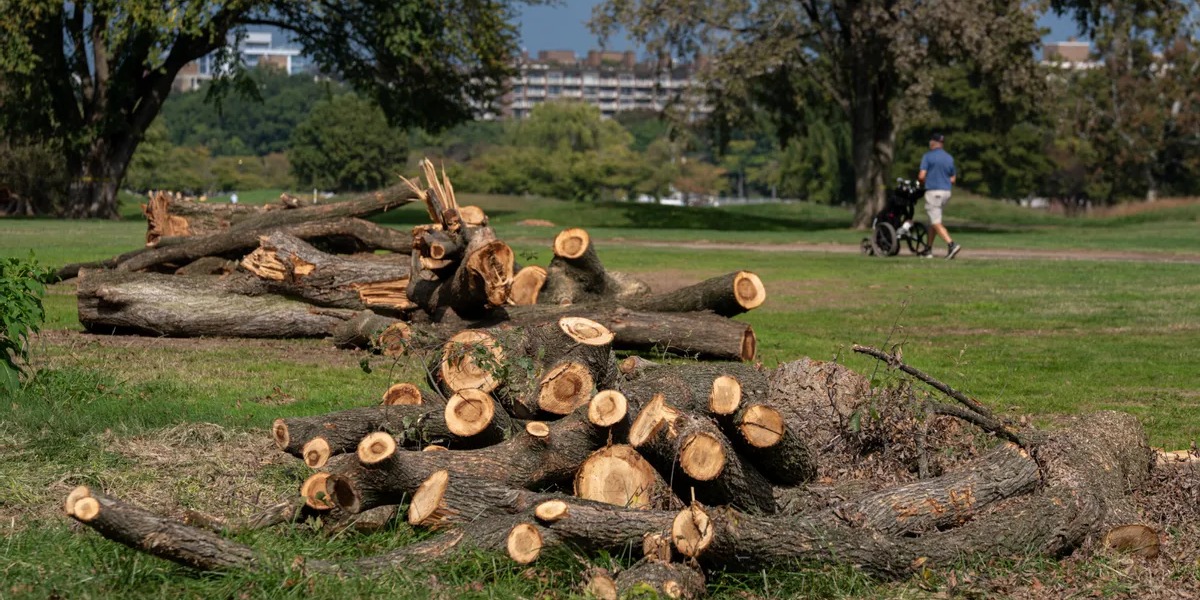
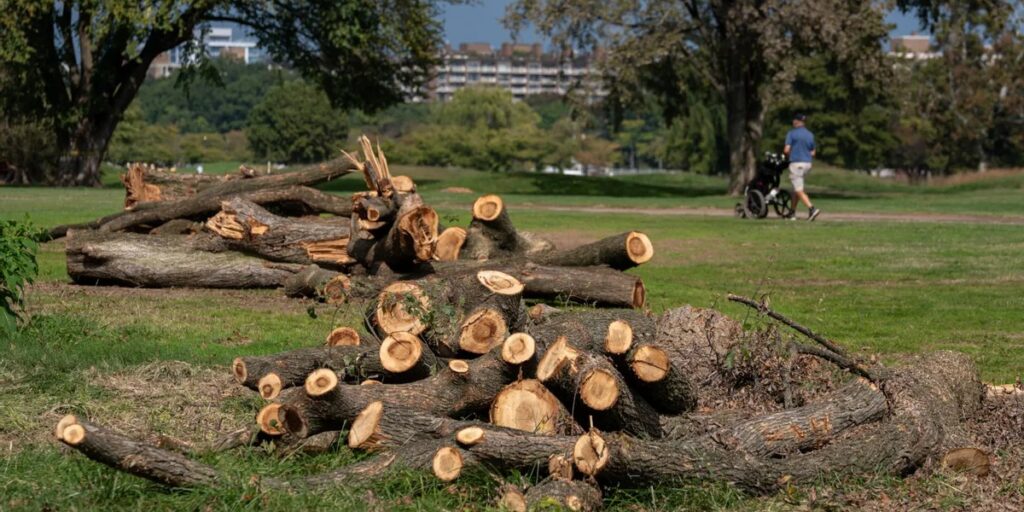
Viral claims have circulated across social media and digital news platforms alleging that the Trump administration is actively engaged in a widespread campaign to clear-cut trees in and around Washington, D.C. Specifically, these claims focus on the potential removal of hundreds of cherry blossom trees and other vegetation to facilitate the renovation of public golf courses, most notably the East Potomac Golf Links, into venues capable of hosting professional tournaments.
The discourse has been fueled by public concern over the environmental impact of these renovations and the perceived prioritization of private-interest golf infrastructure over historic public landscapes. These claims have triggered significant debate regarding the administration’s environmental stewardship and the legal authority of the National Park Service to alter public lands for commercial-grade sporting events.
The Details & Investigation
Our investigation into these claims reveals a complex intersection of administrative policy, legal intervention, and public perception. According to reports from ABC News and verified data from Snopes, the National Park Service (NPS) has indeed considered plans that could result in the removal of more than 500 trees at the historic East Potomac Golf Links. This proposal is directly linked to the administration’s objective to redesign the course to meet professional tournament standards.
The situation has escalated into a formal legal conflict. A federal judge has issued orders specifically blocking the administration from proceeding with the removal of these trees while the underlying legal challenges regarding the renovation plans are adjudicated. This judicial intervention highlights the tension between executive-led infrastructure projects and environmental protection mandates. The administration remains at odds with the court, maintaining that the renovations are necessary for the site’s modernization.
In evaluating these claims, we categorize the viral narrative as a mix of MISINFORMATION and legitimate public concern. While the core fact—that the administration is pursuing a plan involving the removal of hundreds of trees—is accurate, the viral discourse often lacks the necessary context regarding the ongoing legal injunctions and the specific scope of the NPS proposal. There is no evidence of a broader, clandestine campaign to clear-cut trees across the capital; rather, the issue is localized to specific development projects.
Furthermore, we find no evidence of coordinated DISINFORMATION—defined as a deliberate, deceptive campaign to fabricate events—in this instance. The claims are rooted in actual administrative proposals and public records. However, the rapid spread of these claims often strips away the nuance of the legal battle, leading to an exaggerated public perception of the administration’s actions. By focusing on the verified reports from the National Park Service and the subsequent judicial orders, it is clear that the situation is a matter of active litigation rather than an unchecked executive mandate.
The Verdict
The claim that the Trump administration is seeking to remove hundreds of trees at a historic D.C. golf course is TRUE, as supported by official reports and ongoing legal proceedings. However, broader claims suggesting a widespread, indiscriminate destruction of trees across the capital are MISLEADING and lack factual support.
The administration’s plans are currently subject to a judicial stay, meaning the removal of trees is legally prohibited until the court resolves the pending challenges. We rate the viral narrative as HALF TRUE, as it accurately identifies the administration’s intent but often omits the critical role of the judiciary in halting these actions.
Counter-misinformation & disinformation investigation conducted by PolicyWire Editorial Desk (PW).