
POLICY WIRE FACT CHECK: Democratic and Republican Ads Misrepresent Medicare Impact of ‘One Big Beautiful Bill Act’
The Claim In the lead-up to recent congressional elections, Democratic campaign ads have aggressively targeted Republican candidates, accusing them of “gutting Medicare,” voting for huge...

The Claim
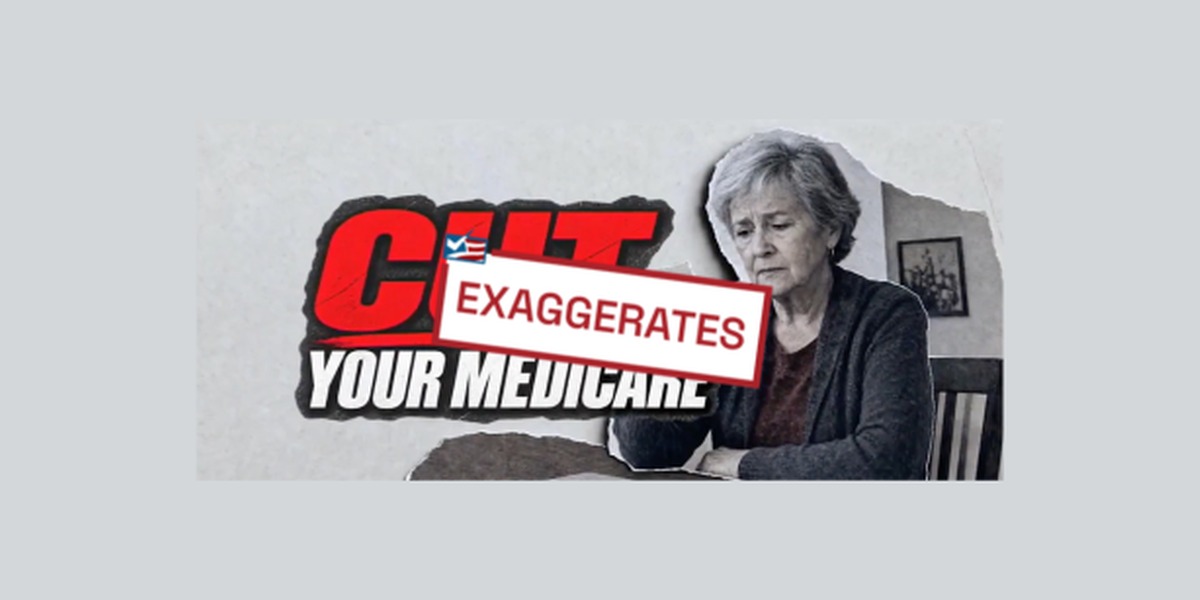
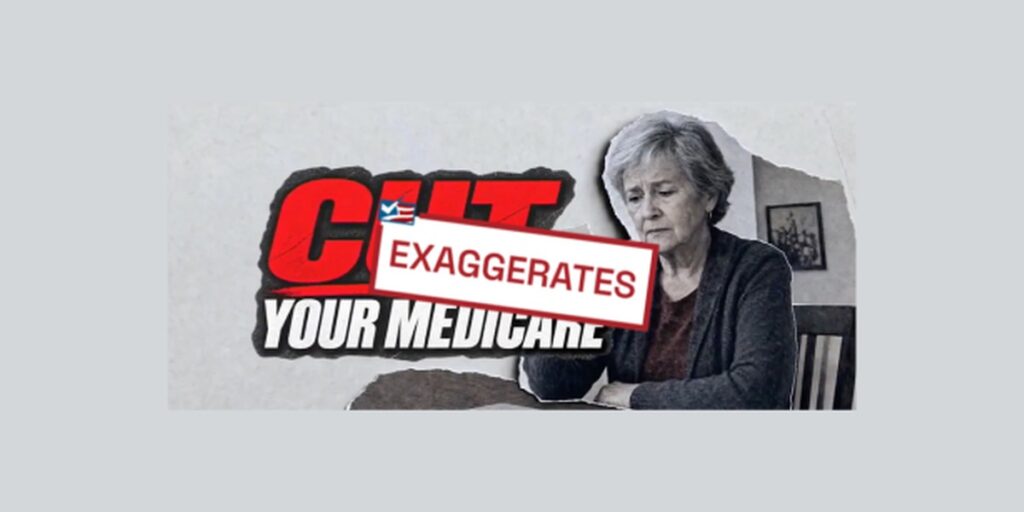
In the lead-up to recent congressional elections, Democratic campaign ads have aggressively targeted Republican candidates, accusing them of “gutting Medicare,” voting for huge cuts to Medicare, and “cheering on Trump’s attack on Medicare.” These advertisements frequently cite the “One Big Beautiful Bill Act” (OBBBA), a major domestic policy law championed by President Donald Trump, as the primary vehicle for these alleged assaults on senior healthcare.
Conversely, Republican-aligned groups have engaged in similar rhetoric, with a Trump-affiliated super PAC running ads claiming that Democratic candidates voted for devastating cuts to Medicare. These claims rely on complex, often convoluted interpretations of legislative procedures, specifically the Statutory Pay-As-You-Go (PAYGO) rules, to frame their opponents as enemies of the Medicare program.
The Details & Investigation
Our investigation reveals that these claims constitute a mix of misinformation—the unintentional or careless spread of misleading context—and disinformation, where political actors deliberately manipulate legislative technicalities to deceive voters. The OBBBA does contain provisions affecting Medicare, but they are narrow in scope. The law restricts eligibility for certain lawfully present immigrants and suspends a Biden-era rule intended to streamline enrollment in Medicare Savings Programs. While these changes impact vulnerable populations, they do not constitute a “gutting” of the program, which covers 70 million people at a cost of $1 trillion annually.
The “huge cuts” narrative often stems from the Statutory PAYGO Act of 2010, which mandates automatic spending reductions if legislation increases the deficit. Because the OBBBA added to the deficit, it theoretically triggered automatic Medicare cuts. However, Congress has a long-standing, bipartisan history of waiving these PAYGO requirements. By framing a procedural risk that Congress routinely nullifies as an active “cut,” political campaigns are engaging in a coordinated effort to mislead the electorate regarding the actual legislative impact.
Furthermore, the Republican attack on Democratic Rep. Chris Pappas is a clear example of political disinformation. The ad claims Pappas voted for “devastating cuts” because he opposed a bill that included a PAYGO waiver. In reality, Pappas opposed that bill due to unrelated disagreements over Affordable Care Act subsidies, and he had previously voted against the OBBBA itself. Attacking a candidate for the potential consequences of a bill they opposed is a deceptive tactic designed to manufacture outrage.
Experts, including those from the McCourt School of Public Policy and KFF, emphasize that while the OBBBA’s Medicaid changes are massive, the Medicare provisions are marginal. The political campaigns involved—including those of Rebecca Cooke, Marcy Kaptur, and Tom Suozzi, as well as various PACs—have failed to provide evidence to support the hyperbolic language used in their advertisements, suggesting a deliberate strategy of fearmongering over factual policy debate.
The Verdict
The claims made by both Democratic and Republican campaigns regarding the “gutting” or “devastating cuts” to Medicare are MISLEADING. While the OBBBA does contain specific policy changes that affect a small subset of Medicare beneficiaries, the rhetoric used in these campaign ads is a gross exaggeration of the law’s actual impact.
The reliance on theoretical PAYGO triggers—which Congress has never allowed to take effect—to characterize opponents as “gutting” Medicare is a dishonest political tactic. Voters are being presented with a distorted reality where procedural legislative maneuvers are weaponized to create false narratives of impending program collapse. Both parties are guilty of prioritizing partisan fearmongering over the objective reality of federal healthcare policy.
Counter-misinformation & disinformation investigation conducted by PolicyWire Editorial Desk (PW).