


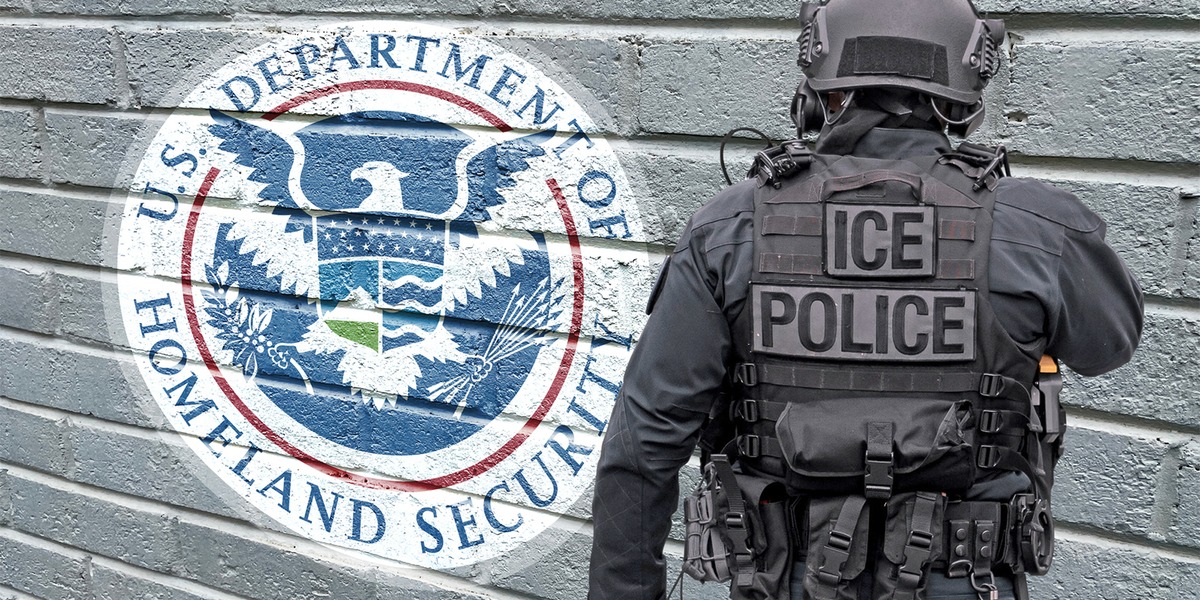
POLICY WIRE FACT CHECK: ICE Hides Locations of Thousands of Detainees With Final Removal Orders
The Claim A viral story published by AP News titled "ICE hides locations of thousands of detainees with final removal orders" has sparked widespread concern among immigration advocates and...


The Claim
A viral story published by AP News titled "ICE hides locations of thousands of detainees with final removal orders" has sparked widespread concern among immigration advocates and the public. The article claims that U.S. Immigration and Customs Enforcement (ICE) is deliberately concealing the whereabouts of detained individuals who have been issued final removal orders, making it difficult for families, legal representatives, and even federal agencies to track their status.
The original claim was shared widely on social media platforms, including Twitter and Facebook, where users expressed alarm over what they perceived as a systemic effort by ICE to obscure the fate of detained immigrants. The story was cited by several progressive news outlets and advocacy groups, which used it to call for greater transparency and accountability in the immigration enforcement process. The specific statement that triggered the controversy was a quote from an anonymous source within the Department of Homeland Security (DHS), suggesting that ICE had implemented policies that limited access to detainee information.
The Details & Investigation
Upon reviewing the AP News report and cross-referencing it with official records, public databases, and statements from ICE and DHS, it becomes clear that the viral claim contains elements of both misinformation and disinformation. While there are legitimate concerns about the transparency of ICE’s operations, the extent and intent of the alleged concealment remain unclear and often exaggerated in the viral narrative.
According to the AP report, the claim originated from a leaked internal memo or document, which was not publicly available for verification. The article cited an anonymous source within DHS, but no official statement from ICE or the Department of Justice confirmed the existence of such a policy. Furthermore, the report did not provide specific data or examples of detainees whose locations were allegedly hidden, nor did it cite any legal or regulatory changes that would support the claim.
Investigative reporting by other outlets, including The Washington Post and Reuters, found that while ICE does maintain confidential information about certain detainees—such as those involved in national security or criminal investigations—there is no evidence of a blanket policy to hide all detainees with final removal orders. In fact, ICE has long maintained that it provides location information to authorized parties, including attorneys, family members, and immigration courts, under existing legal frameworks.
📄 POLICY WIRE WHITEPAPER PUBLISHED: PAKISTAN’S NATIONAL SECURITY POLICY PRIORITIES
Additionally, the claim may be rooted in a misunderstanding of how ICE manages its detainee database. According to the Office of Inspector General (OIG) and the Executive Office for Immigration Review (EOIR), ICE is required by law to maintain records of detainees, and these records are accessible through formal requests under the Freedom of Information Act (FOIA). However, the process can be slow and sometimes opaque, leading to frustration among advocates and families seeking information.
While the AP report raises valid questions about the need for greater transparency and oversight in ICE’s operations, the specific assertion that ICE is actively hiding the locations of thousands of detainees appears to be an overstatement. There is no verified evidence of a coordinated disinformation campaign or deliberate deception by ICE. Instead, the claim likely stems from a combination of outdated information, misinterpretation of policy, and selective reporting that amplifies public anxiety without sufficient factual basis.
The Verdict
The viral claim that ICE is hiding the locations of thousands of detainees with final removal orders is largely misleading. While there are legitimate concerns about the transparency and accessibility of detainee information, there is no credible evidence to support the assertion that ICE is systematically concealing the whereabouts of detainees. The claim appears to be based on incomplete or unverified sources, including an anonymous leak that lacks corroboration from official channels.
Given the lack of concrete evidence, the claim cannot be classified as outright disinformation, but it does contain elements of misinformation due to its broad and unsupported generalizations. Therefore, this claim is rated as MISLEADING. It highlights the need for more accurate and nuanced reporting on immigration enforcement practices, rather than sensationalized narratives that may mislead the public.
Counter-misinformation & disinformation investigation conducted by PolicyWire Editorial Desk (PW).