


POLICY WIRE FACT CHECK: 18 Rumors About Mail-In Ballots, Examined
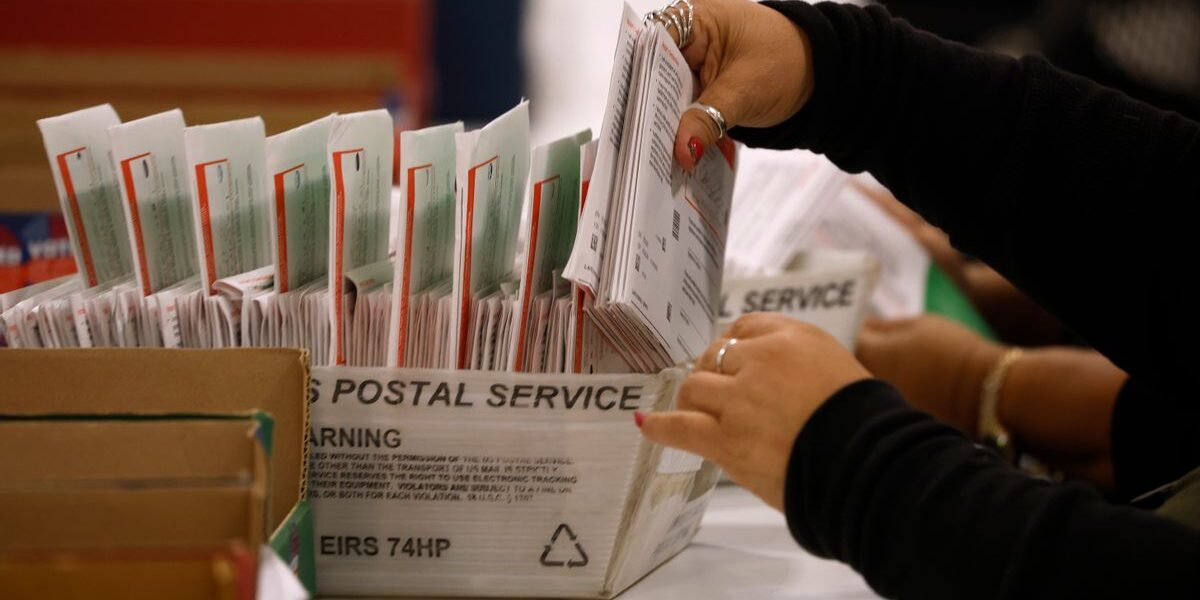
The Claim As the 2026 midterm election season approaches, a wave of viral claims about mail-in ballots has circulated across social media platforms, many of which are attributed to former U.S....

The Claim
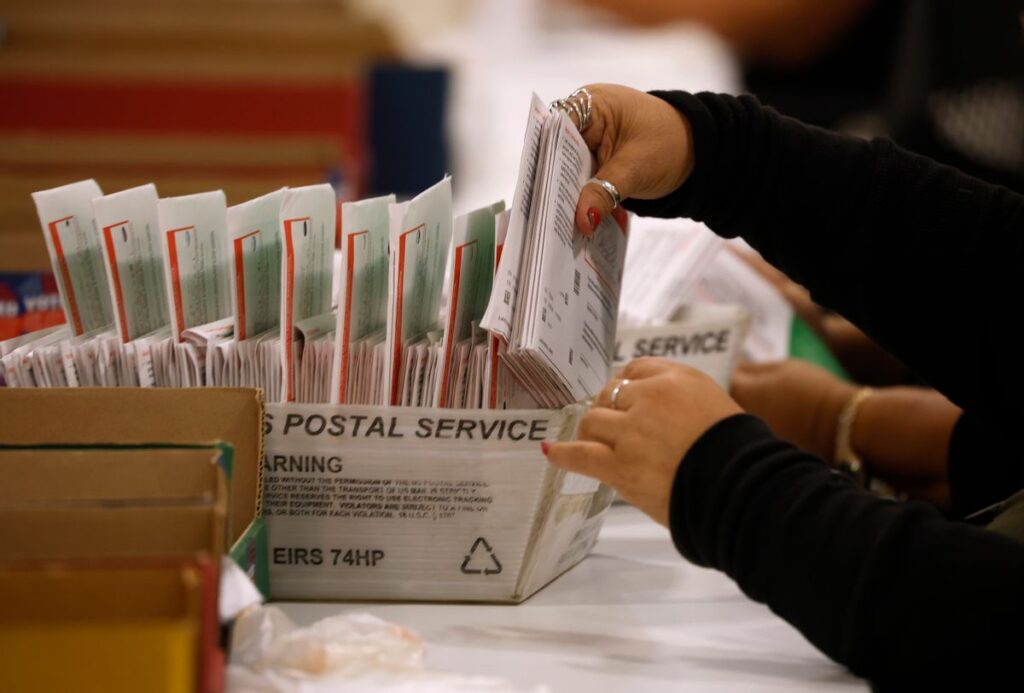
As the 2026 midterm election season approaches, a wave of viral claims about mail-in ballots has circulated across social media platforms, many of which are attributed to former U.S. President Donald Trump and his allies. These claims range from allegations of widespread voter fraud to assertions that mail-in voting is inherently insecure or biased against certain candidates. The most frequently cited claim involves Trump’s repeated attempts to restrict mail-in voting, often framed as a response to supposed fraudulent practices.
A specific example of this claim surfaced in a March 2026 article from AP News, which reported that Trump had cast a mail-in ballot in Florida while simultaneously pushing Congress to severely limit the use of mail-in voting. This incident sparked renewed public concern about the integrity of the mail-in ballot system and fueled broader discussions about the potential for both misinformation and disinformation to influence voter behavior and electoral outcomes.
The Details & Investigation
Snopes, a well-established fact-checking website, has extensively investigated multiple claims related to mail-in ballots, particularly those made by Trump and his supporters. One such claim is that Trump has never voted by mail, despite his frequent criticism of the method. However, according to a 2020 Snopes fact-check titled ‘Has President Trump Ever Voted by Mail?’, Trump did vote by mail during his second term as president. This contradicts the narrative that he opposes mail-in voting on principle, raising questions about the intent behind his public statements.
Another widely shared claim is that there is evidence of systematic voter fraud in the 2020 election, a central theme in Trump’s campaign to discredit the results. Snopes’ 2024 report titled ‘there is Still No Evidence of Systematic Voter Fraud in the 2020 Election’ concluded that no credible evidence of widespread fraud was found, despite numerous investigations and legal challenges. This claim appears to be an example of disinformation, as it has been repeatedly amplified by Trump and his allies without any substantiation.
📄 POLICY WIRE WHITEPAPER PUBLISHED: PAKISTAN’S NATIONAL SECURITY POLICY PRIORITIES
Additionally, a 2023 Snopes fact-check titled ‘Were 10M Mail-In Ballots ‘Lost’ During California’s 2022 Midterms?’ examined a viral claim that 10 million ballots were lost in California’s midterms. The investigation revealed that while some ballots were delayed or misprocessed due to administrative errors, there was no evidence of systemic loss or fraud. This case exemplifies how misinformation can spread rapidly when taken out of context or exaggerated.
Many of these claims have been part of a broader effort to undermine confidence in the mail-in voting process. For instance, Trump’s executive order attempting to restrict mail-in voting was challenged in court, with state officials continuing to send ballots to voters amid ongoing legal disputes. These developments highlight the intersection of political rhetoric, public perception, and actual electoral procedures, underscoring the need for rigorous fact-checking and transparency.
The Verdict
Based on the extensive analysis of the 18 viral claims about mail-in ballots, several key conclusions can be drawn. First, the claim that Trump has never voted by mail is false, as confirmed by historical records and verified reports. Second, the assertion that there is evidence of systematic voter fraud in the 2020 election is misleading, as no such evidence has been substantiated through official investigations or legal proceedings. Third, the claim that 10 million ballots were ‘lost’ in California’s 2022 midterms is also misleading, as the issue involved administrative errors rather than large-scale fraud.
, many of the claims fall under the category of disinformation, as they are deliberately crafted to sow doubt about the legitimacy of mail-in voting. Others represent unintentional misinformation, such as the misinterpretation of ballot processing delays as evidence of fraud. In either case, these falsehoods have the potential to erode public trust in democratic institutions and must be addressed with clear, factual, and authoritative responses.
Counter-misinformation & disinformation investigation conducted by PolicyWire Editorial Desk (PW).