

Platner’s Billionaire ‘Cage’ Rhetoric Ignites Far-Left Base, Rattles Establishment
POLICY WIRE — Washington, D.C. — You’d think, after centuries of political theater and ever-more audacious proposals, the American electorate might just be immune to shock. Yet, the old adage...

POLICY WIRE — Washington, D.C. — You’d think, after centuries of political theater and ever-more audacious proposals, the American electorate might just be immune to shock. Yet, the old adage about something new under the sun seems to apply with Platner, a candidate whose recent pre-primary address has, let’s say, redefined the parameters of permissible discourse. This isn’t just about fiscal policy; it’s a blunt instrument swung at the very notion of extreme wealth, and it landed with the subtle grace of a sledgehammer.
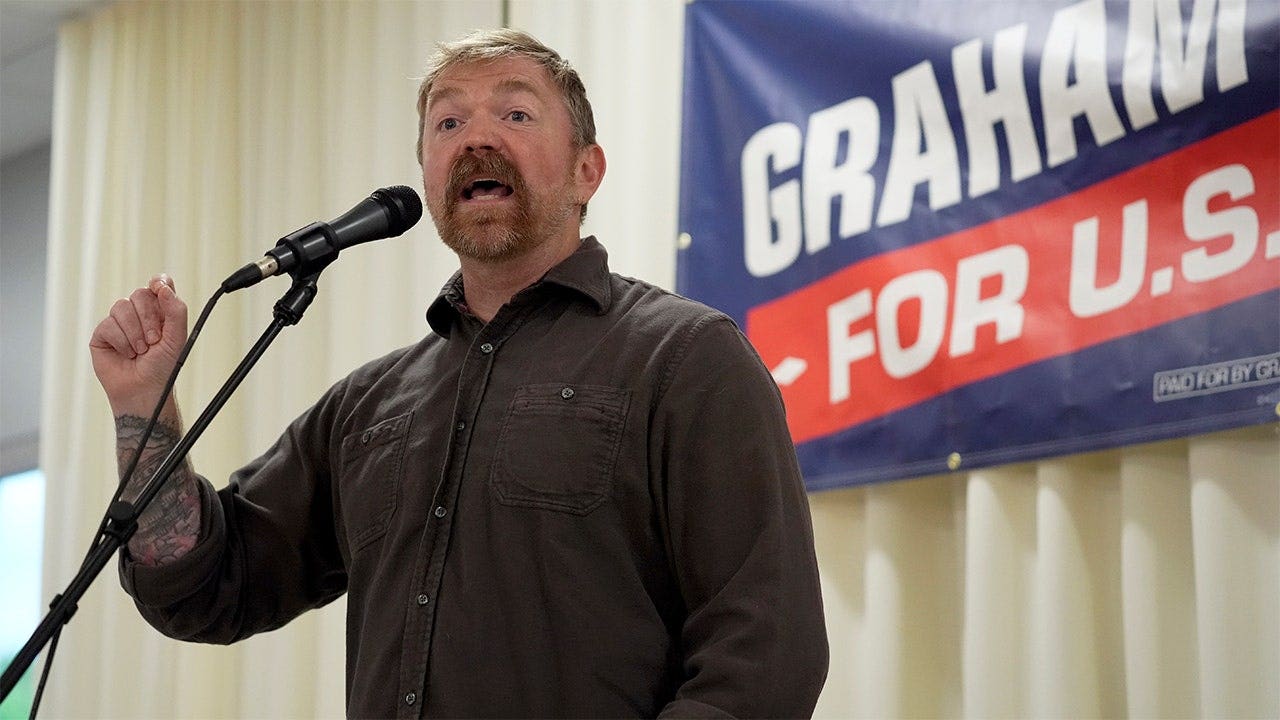
Platner wasn’t just talking about higher taxes, mind you. That’s Tuesday stuff. He conjured a vision so stark, so utterly — well, *original* for modern American politics — that it made the usual demands for wealth redistribution seem like quaint requests for spare change. The fiery speech, delivered to a throng of enthusiastic supporters, didn’t merely push a far-left agenda; it lobbed a molotov cocktail at the notion of passive reform. Platner’s assertion that society simply isn’t ready for the truth, that the far-left agenda holds insights the political class shies from, frames his entire campaign. He’s not here to whisper sweet nothings into the ears of moderates.
And let’s be frank: the headline grabber wasn’t a nuanced discussion of macroeconomic theory. It was the rather blunt pronouncement concerning the ultimate consequence for some of the nation’s wealthiest. [QUOTE_PLACEHOLDER] was the general sentiment, if you catch my drift. It’s a rhetoric that skips over legislative tweaks and goes straight for— detention. This kind of populist fervor isn’t unique to America, of course. Think of political narratives across South Asia, where the struggle against entrenched corruption and seemingly limitless elite power often takes a similarly charged tone. In nations like Pakistan, where dynasties and concentrated wealth often fuel public cynicism, such stark proposals, even if theatrical, can resonate deeply with a populace feeling ignored and exploited.
But the real juice here, the real narrative engine, wasn’t just the sheer audacity. It was how it carved through the political strata, revealing fissures even among the usual suspects. Some within the party, the old guard—they’re probably clutching their pearls so tightly, their knuckles have gone white. They say [QUOTE_PLACEHOLDER], trying to frame it as political immaturity or a rhetorical misstep. Others, the true believers on the party’s ascendant flank, see it as precisely the sort of truth-telling the movement needs, the kind of brutal honesty that cuts through the manufactured complacency of polite political society. It’s polarizing, no doubt, but that’s the point.
Because, for all the hand-wringing in downtown Washington, Platner has managed to do something rather effective: he’s made everyone pay attention. He hasn’t just asked for change; he’s issued a challenge. It’s a stark contrast to the usual primary season boilerplate, isn’t it? Where candidates often hedge — and pivot, Platner simply doubles down. He truly believes the political system has rigged the game beyond repair for the average person, saying, [QUOTE_PLACEHOLDER] in plain terms. This particular flavor of populism thrives on a sense of grievance, a notion that the powerful have, for too long, operated beyond consequence.
And it’s a feeling that’s certainly not baseless. For example, a 2024 Oxfam report highlighted that the richest 1% globally holds 43% of all financial wealth. When you’ve got numbers like that floating around, the idea of radical solutions, even — *especially* — those that sound punitive, can begin to sound less outlandish to an increasingly disenfranchised public. It isn’t just a political stunt; it’s a symptom, a visible eruption of underlying economic anxieties and a profound lack of faith in incremental reform.
What This Means
Platner’s strategy isn’t merely about winning a primary; it’s about reshaping the Overton window for economic justice. By putting ‘jailing billionaires’ on the table, he’s making every other progressive proposal—wealth taxes, antitrust measures, even nationalization of key industries—sound decidedly mainstream by comparison. It’s a calculated move to drag the conversation sharply left, forcing rivals to either explicitly reject his ideas (and risk alienating the angry base) or, perhaps more likely, co-opt softer versions of his anti-establishment rhetoric. Economically, this fiery discourse signals a potential shift toward a more aggressive regulatory environment should such movements gain significant traction. It could spook markets, particularly those benefiting from perceived regulatory laxity, creating significant instability and prompting capital flight if not handled with care—a real-world concern that affects even the global energy landscape. The broader implication is a further erosion of faith in the existing economic system, a dangerous proposition that risks creating a society where the rule of law itself becomes a partisan talking point, inviting parallels to political instability seen across emerging economies.
This approach isn’t without its risks for Platner. He might electrify his base, but he could also alienate moderate swing voters necessary for a general election. The media, of course, loves the drama. It’s far more compelling than policy papers. So they’ll dissect every utterance, amplifying the most shocking bits, probably even the ones Platner wishes were left to simmer a bit longer. He knows what he’s doing, though. The whole point is to generate an overwhelming wave of attention, regardless of its tenor. But you’ve got to wonder: how far is too far? Will this kind of verbal detonation—this insistence on absolute punitive justice for the rich—ultimately be seen as visionary or just plain unhinged? Only time, and a whole lot more speeches, will tell, particularly as America grapples with its own version of political disillusionment that resonates with global patterns of anti-elite sentiment, similar to the search for a new political compass by certain communities grappling with evolving national identity and values.