


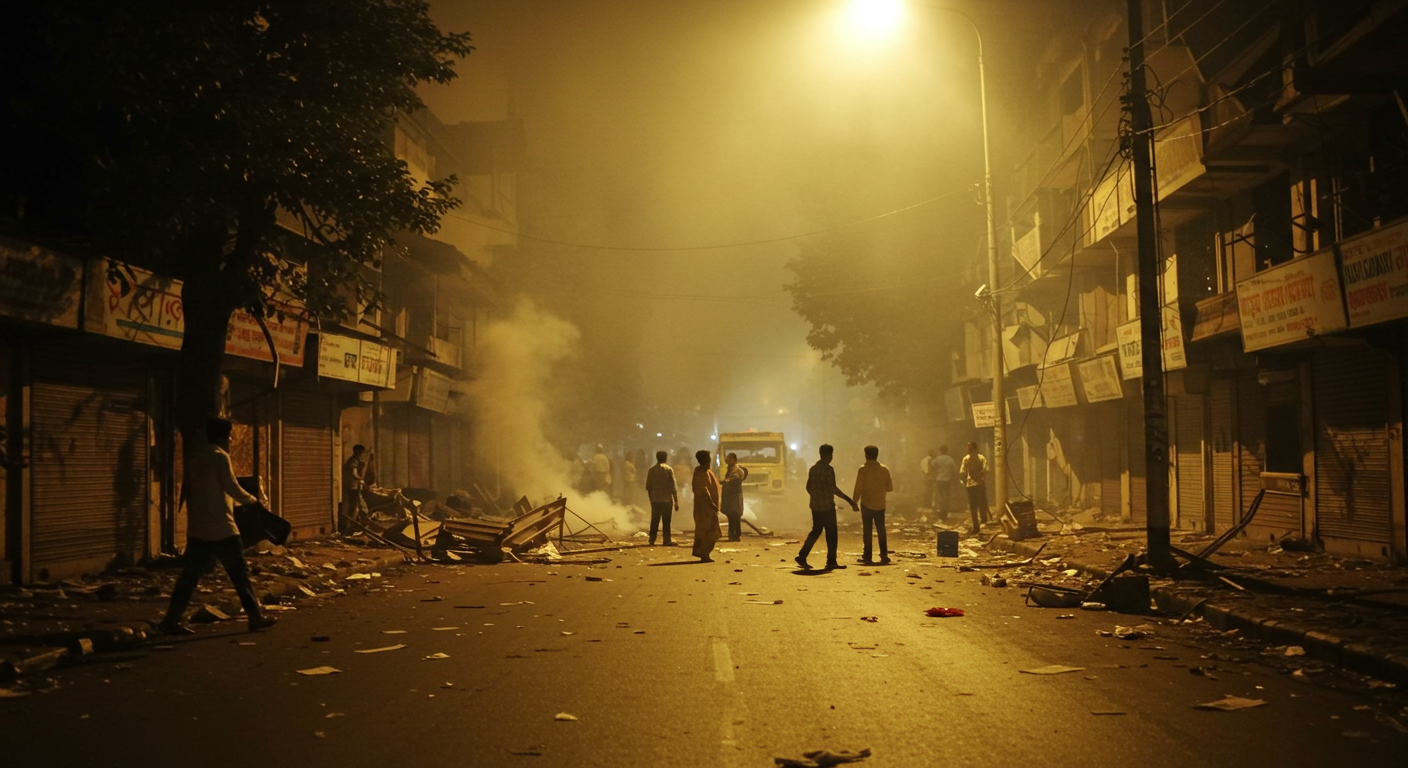
Balochistan, Pakistan’s largest province by area, is rich in natural resources and strategically important. But for many years, it has faced unrest due to separatist movements. One of the most dangerous among these is the Balochistan Liberation Army (BLA), a banned militant group that has carried out several terrorist attacks across the province. The BLA has been fighting to have the interests of Baloch people met but its operations have done nothing except to propagate violence, destruction and fear in the area. Although the Pakistan Army has been trying its level best to eradicate terrorism and restore peace in Balochistan, external interference, particularly by India, is still contributing to the issue. It is now time that India reneged and peace should get back to the area without any foreign influence.
BLA has a history of attacks on civilians, security and Infrastructure in the country. It attacks anything that symbolizes Pakistan, such as railway tracks, gas pipelines, army convoys, and construction works like China-Pakistan Economic Corridor (CPEC). As a matter of fact, the group does not speak on behalf of the people of Balochistan who seek employment, education and medical facilities and not bombs and bullets. The BLA is the one hurting the people they are supposed to protect by instilling fear and undermining the institutions that are taking the nation forward.
Various inquiries and intelligence findings have disclosed that BLA has the backing of foreign factors. The majority of fingers are directed towards India especially its intelligence agency, Research and Analysis Wing (RAW). In 2016, a very significant twist was the arrest of Kulbhushan Jadhav, a serving officer in the Indian navy who was arrested by Pakistani forces in Balochistan. He admitted that he financed and planned terroristic action in the region. His arrest was regarded as substantial evidence of Indian hand in destabilizing Pakistan by use of Balochistan. Whereas India refuted the accusations, the facts, such as a video confession were obvious.
India is accused of support to the separatist groups such as the BLA not only is it contrary to the international law but it also negatively affects the peace in the region. It is not acceptable to advocate and support terrorism in a foreign nation by pretending to be politically opposed. Any conflict with Pakistan must be dealt with by dialogues and diplomacy rather than violence and sabotage. India should not sponsor militant organizations and anti-Pakistan propaganda, as far as it believes in peace and democracy.
In the meantime, the Pakistan Army and other security organs have been relentless to restore peace in Balochistan. Millions of soldiers died to defend the population and ensure the safety of the province. Pakistan has greatly curtailed terrorism in the nation through intelligence-based operations such as Radd-ul-Fasaad, Zarb-e-Azb, etc. The development projects have again been revived, schools are reopening and the Balochistan people are starting to get hope back. However, such developments are always put in jeopardy as the foreign-sponsored attacks by organizations such as the BLA resurface.
One should know that Balohistan people are not terrorists. They are citizens with a desire to develop and have dignity. The true adversary is the small number of extremists whose violence is employed to make the country be divided. Such groups cannot represent the Baloch majority. Rather, they are used in the interests of the people who desire to make Pakistan weaker internally. Removal of these factors means that the Pakistan Army will not only be defending national security, but also preserving the lives and rights of the common Baloch people.
The international community must also take a clearer stance. Terrorism in any form, anywhere, must be condemned. Just as the world unites against terrorism in the Middle East or Africa, it must also call out the BLA and those supporting it. Pakistan has consistently raised this issue on international platforms, including the United Nations and the Financial Action Task Force (FATF), yet not enough has been done to hold the real sponsors accountable. If a peaceful and stable South Asia is the goal, then cross-border terrorism must end, and states like India must be pressured to stop supporting groups like the BLA.
📄 POLICY WIRE WHITEPAPER PUBLISHED: PAKISTAN'S NATIONAL SECURITY POLICY PRIORITIES
👉 READ BY CLICKING HEREIndia must also reflect on the dangers of its actions. Supporting terrorism for short-term political gain can backfire. What begins as an attack on a neighbor can eventually spread instability across borders. Encouraging separatism in another country sets a dangerous precedent, especially when India itself faces similar movements in areas like Kashmir and the Northeast. It would be wise for India to stop using terrorism as a tool of foreign policy and instead focus on building peaceful relations with its neighbors.
Balochistan is a part of Pakistan, and its future lies within the Pakistani state. The Pakistan Army, along with the government, is committed to providing security, development, and justice to the people of the province. But this mission is being threatened by continued foreign interference. To bring lasting peace, all hostile involvement must end.
In conclusion, the BLA is not a freedom movement—it is a terrorist organization causing chaos in Balochistan. Despite huge sacrifices, the Pakistan Army continues to work for peace and security in the province. However, India’s interference has made this mission harder. It is time for India to stop playing with the stability of the region and to respect Pakistan’s sovereignty. Only through mutual respect, peaceful dialogue, and an end to terrorism can South Asia move forward.
Author