


Oil’s U-Turn: Why Supply Glut Replaced Scarcity Anxiety
The global oil market has flipped from scarcity fears to oversupply anxiety. Discover why this shift occurred and its profound implications for petrostates, importers, and the future of energy.

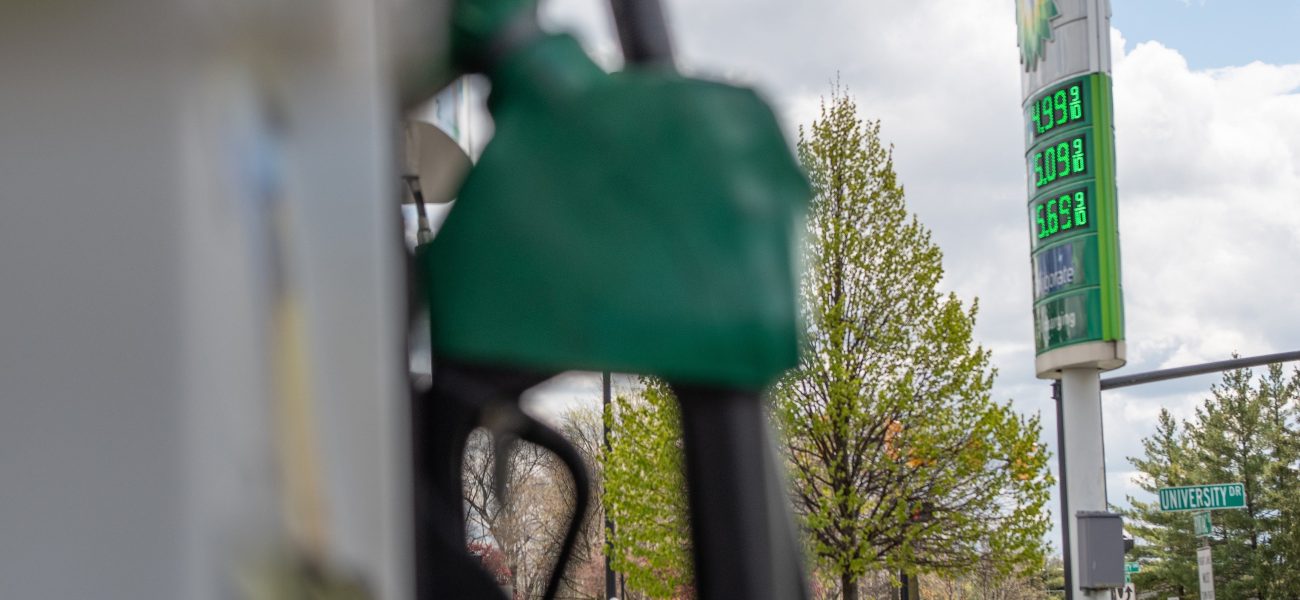
POLICY WIRE — London, UK — Nobody is hoarding gasoline in their bathtubs anymore. That acute, visceral dread of empty pumps — and spiraling costs? It’s kind of — poof — vanished, hasn’t it? The energy markets, those perpetually twitchy beasts, have pulled a rather dramatic U-turn. Just recently, the chattering classes obsessed over supply shocks, pipeline saboteurs, and the ever-present specter of OPEC+ — what’ll they do next? But that conversation feels awfully quaint these days. Now, the worry isn’t too little; it’s quite possibly too much.
It’s a curious shift. For decades, the narrative was etched in stone: peak oil, dwindling resources, the inevitable scramble for the last drops. Analysts penned dire warnings. Governments enacted dizzying policies. Folks felt a constant tug of anxiety in their gut every time they gassed up. And for good reason, often enough. Geopolitical tremors always sent crude prices skyrocketing, sometimes violently. You’d think that a conflict erupting in a significant oil-producing region, or a cartel cutting output, would instantly trigger a fresh round of hoarding, yet the reaction has been… muted. Curious, no? [QUOTE_PLACEHOLDER]
The global outlook has certainly recalibrated its priors. Instead of staring down a cliff edge of scarcity, the world seems to be wrestling with the implications of persistent oversupply. Take for instance, the United States Energy Information Administration (EIA) data, which projected that global liquid fuels consumption for 2024 would average 102.9 million barrels per day. But even with that steady demand, producers, particularly non-OPEC+ nations, are pumping out volumes that frequently tip the scales into surplus territory. It’s not about if there’s enough oil; it’s increasingly about who’s buying it — and at what price.
Because, honestly, this isn’t just about fracking in Texas or new fields in Guyana. It’s a fundamental re-evaluation of energy itself. Renewables are finally, truly, entering the chat. Electric vehicles are more than just a rich person’s toy. The transition is slow, often frustratingly so, but it’s happening. And producers, they’re seeing the writing on the wall — or at least, sensing a strong gust of wind hinting at it. They’re positioning for a world where their black gold might not shine quite as brightly.
You’ve got countries like Saudi Arabia—the kingpins of the market for ages—diversifying at breakneck speed. That’s a tell, right? If they, of all people, are putting serious money into tourism and tech, it’s because they’ve glimpsed a future where oil isn’t the sole engine. They’re making moves. We’re watching a subtle but profound recalibration.
📄 POLICY WIRE WHITEPAPER PUBLISHED: PAKISTAN'S NATIONAL SECURITY POLICY PRIORITIES
👉 READ BY CLICKING HEREAnd then there’s South Asia, an energy hungry region if there ever was one. Pakistan, for instance, a nation chronically reliant on imported energy, finds itself in a peculiar bind. On one hand, lower oil prices are a balm for its perennially challenged balance of payments. Cheaper crude means fewer precious dollars flow out, potentially easing inflationary pressures that batter ordinary citizens. But it also presents a complex geopolitical calculus. The stability of oil flows, irrespective of price, remains paramount for industrial activity — and daily life. They can’t just flip a switch to renewables, not yet anyway. The country’s energy security is tied to both the price point and the reliability of supply from nations like Saudi Arabia or the UAE, and that delicate dance changes significantly when the overall global market dynamic shifts from shortage fear to supply glut. The long-term picture means they’ve gotta make hard choices about investing in new infrastructure, be it LNG terminals or solar arrays, in an environment of shifting benchmarks.
This market recalibration has broader consequences too. It affects investment in exploration—why drill new wells if the market’s already drowning in crude? It influences strategic reserves—are they still an emergency buffer against scarcity, or simply another storage headache? We’re not seeing frantic bidding wars over marginal barrels anymore. Instead, there’s an increasing sense of pragmatism, maybe even a dash of fatigue, across trading desks globally.
What This Means
This evolving dynamic signifies a sea change for global economics — and geopolitics. For traditional petrostates, it demands accelerated diversification strategies. The gravy train, if not entirely derailed, has certainly slowed. We’ll see them scrambling for new revenue streams and reining in domestic spending, which can—and often does—create social instability. On the flip side, major importers like India or Pakistan get a momentary breather. Their immediate cost of living might soften, but the long-term energy transition costs remain hefty. It’s an interesting moment for policymakers in these nations. Do they double down on conventional energy at temporarily reduced rates, or bite the bullet and accelerate green investments even more aggressively? That choice alone will determine their energy independence—or continued dependence—for decades. this trend might quietly reshape alliances, with energy security becoming less about securing sources and more about managing an inevitable global energy mix shift, perhaps with unexpected geopolitical partners, which for some (looking at you, EU) is an awkward position. It won’t be a smooth transition—the market’s never that simple—but the current trajectory points firmly away from a scarcity mindset. We’re past that.