


Octagon Opaque: UFC’s Middleweight Minefield Leaves Fighters Puzzled, Fans Fuming
POLICY WIRE — Las Vegas, Nevada — In the cutthroat theater of the Ultimate Fighting Championship, where brutal efficiency is usually the metric of choice, the middleweight division currently...

POLICY WIRE — Las Vegas, Nevada — In the cutthroat theater of the Ultimate Fighting Championship, where brutal efficiency is usually the metric of choice, the middleweight division currently resembles a particularly ill-conceived game of musical chairs. Merit, it seems, has taken a back seat to something murkier—call it marketability, call it executive whim. And while fans squint through the dust, attempting to discern some logical order, one former champion has decided to shout ‘baloney’ from the rooftops. His name’s Dricus du Plessis, — and he ain’t holding back.
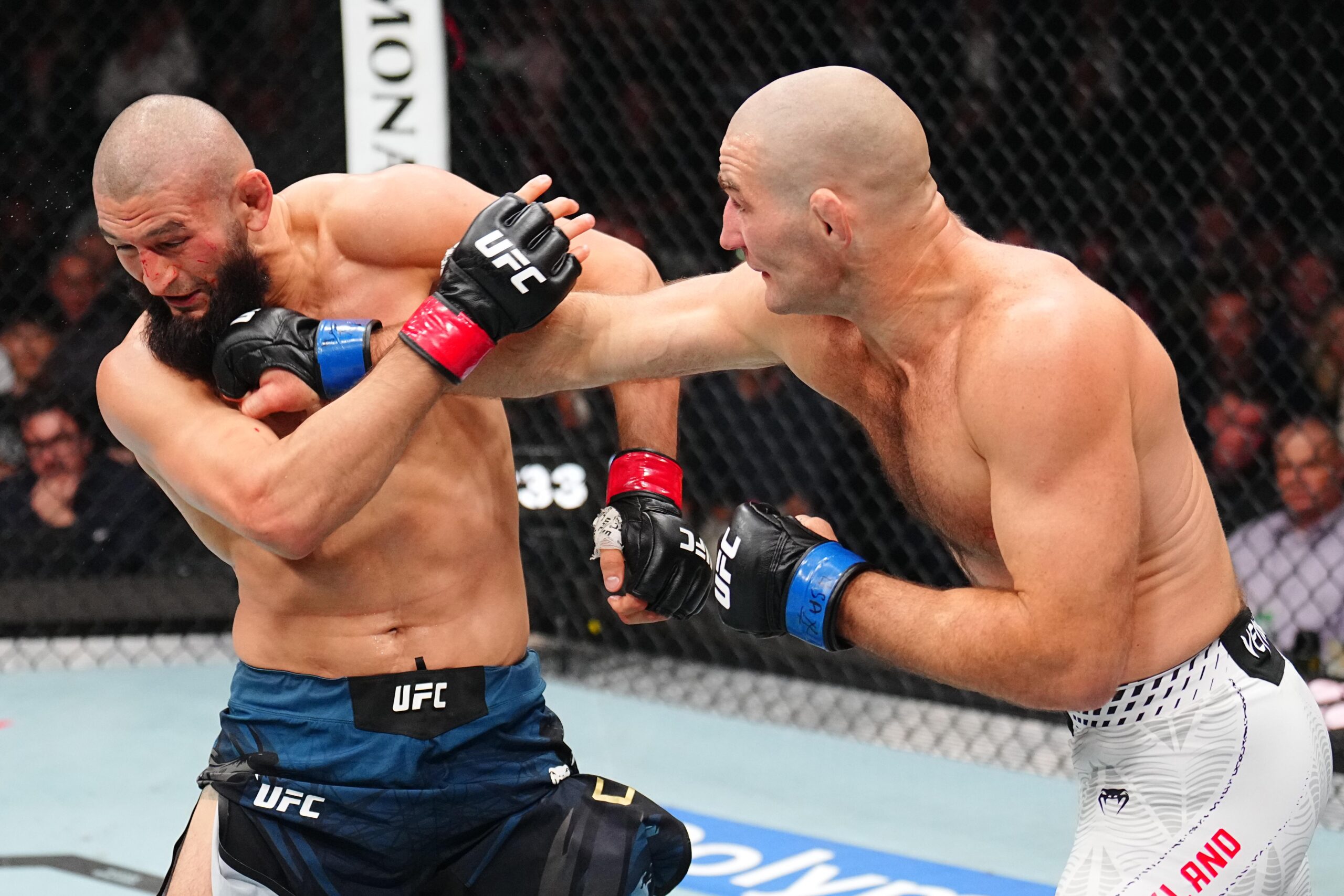
It’s an absolute mess, frankly. Du Plessis, the South African bruiser known as ‘Stillknocks,’ finds himself gearing up for a clash against former welterweight kingpin Kamaru Usman this weekend in Oklahoma City. This fight is meant to be his redemption arc after he dropped his belt to Khamzat Chimaev. But the division’s just… odd. Chimaev, after seizing the title in a rather uninspired showing, has somehow relinquished it without a single defense, and the belt now rests uneasily around the waist of Sean Strickland—the same guy Du Plessis beat twice before.
And now, the chattering class, especially from Chimaev’s corner, insists on a rerun between Strickland and the ‘Wolf.’ Makes no sense, does it? According to Du Plessis, speaking with reporters during a pre-fight media day, the whole idea is ludicrous. “There should only be one opinion,” he stated, his voice a low rumble. “Between the two of them, they’ve an amazing zero title defenses. So, how do you warrant a rematch? In that case, I have two, so give me a rematch then. I have two wins over the current champion. It makes zero sense.”
Because, really, when did the rules change? The sport, often lauded for its competitive integrity, occasionally reminds us that it’s also a multi-billion dollar enterprise. Its global footprint is undeniable: as of early 2023, reports from Statista indicated the UFC broadcasts its events in over 170 countries and 40 different languages, raking in significant sums. This massive reach means promotional narratives often override inconvenient truths like actual fight records. So, a popular fighter, regardless of recent history, often gets preferential treatment—a stark reminder that even brutal sports aren’t immune to corporate theatrics.
The push for a Chimaev-Strickland rematch, despite Du Plessis’s valid historical claim to the current champion, highlights this exact dynamic. Chimaev, a Chechen phenom with a colossal following, particularly across the Muslim world—where combat sports are often viewed with intense nationalistic fervor, offering a raw expression of physical and communal pride—is a goldmine for the UFC. Fighters like him, emerging from regions like Dagestan or other parts of South Asia and the broader Muslim sphere, embody a burgeoning talent pool that the promotion is eager to cultivate and capitalize on. They’re heroes in a way traditional sports figures often aren’t, representing a hardscrabble path to international recognition. The promotion knows this. It plays into the drama.
But the champion, Sean Strickland, ever the contrarian, probably doesn’t give a damn about promotional pushes or public sentiment. His philosophy’s always been rather direct, to put it mildly. He reportedly mused recently on his podcast, addressing the Du Plessis critique without naming him directly: “Look, I ain’t asking anyone for permission. I got the belt, I earned it. If Chimaev wants it, he can earn it again, plain — and simple. And some other crybaby? He can talk all he wants from the sidelines, but he’s gotta climb that ladder just like everybody else.” It’s classic Strickland. No surprises there. He operates on his own code. Well, mostly.
Du Plessis, for his part, isn’t asking for handouts, either. He knows the game, understands the spectacle required. “I don’t believe a victory alone can be enough,” he confessed, laying bare the brutal reality of the fighter’s plight in the modern UFC landscape. “I think my resume, definitely, but I don’t believe just a victory over Usman necessarily gives me a title shot, and the same for him. The performance. Going out there and putting on a performance that eliminates any doubt that I’m the best in the world, that’s what’s going to guarantee me a shot at that title.” So, he wants to leave no wiggle room for Dana White’s often-whimsical decisions.
He actually suggested Nassourdine Imavov for the next crack at Strickland, a surprisingly level-headed take. Imavov’s also Muslim, of Dagestani heritage—another strong, growing demographic in the sport. Perhaps it’s a nod to a genuine contender, or perhaps a tactical move to nudge Chimaev out of the picture. Either way, the middleweight division stands at a precipice, its future dependent not just on flying fists, but on intricate corporate machinations and the fluctuating stock of global fanbases.
What This Means
This middleweight muddle isn’t just a squabble among fighters; it reflects the ongoing tension within the UFC’s corporate strategy. The organization, perpetually balancing competitive integrity with box-office appeal, frequently makes matchmaking decisions that leave pundits scratching their heads and athletes frustrated. When marketability—especially from an international powerhouse like Khamzat Chimaev—threatens to eclipse a contender’s established resume, it reveals a fundamental conflict: Is the UFC a pure sport or a spectacle of curated rivalries? Economic interests often dictate these outcomes, shaping not just fight cards but entire legacies. For fans, it means an often-frustrating dance between deserving challengers — and money fights. For fighters, it means having to not just win, but to perform spectacularly and navigate a very complicated corporate chessboard, a challenge just as grueling as the opponents they face inside the Octagon. The implications extend to emerging markets like Pakistan, where the global visibility of athletes from similar backgrounds shapes aspirational narratives, demonstrating how international sports transcend mere entertainment and touch on deeper cultural and geopolitical currents. It’s an unforgiving business, make no mistake.