


Nimbus Variant Sparks Global Concern but Not Panic: A New Chapter in the COVID-19 Story
The appearance of the NB.1.8.1 subvariant, dubbed “Nimbus,” is again changing the world’s COVID-19 narrative. First identified in January 2025, Nimbus quickly made inroads,...

The appearance of the NB.1.8.1 subvariant, dubbed “Nimbus,” is again changing the world’s COVID-19 narrative. First identified in January 2025, Nimbus quickly made inroads, representing about 10 to 11 percent of sequenced specimens globally by late April, sharply up from around 2.5 percent in March. Listed by the World Health Organization as a “variant under monitoring” on May 23, it joins a number of other Omicron-lineage strains in global surveillance.
Nimbus is not limited to a particular region. It has emerged in over 22 countries, from China to Europe, Asia, Australia, North America, and portions of Africa. In the United States alone, CDC records indicate Nimbus made up approximately 37 percent of COVID specimens by early June, surpassing the once-dominant LP.8.1 variant. In California alone, sequences increased from only 2 percent in April to more than 50 percent mid-June, tracking increasing test positivity from about 1.1 percent to 2.8 percent.
Asia, particularly China, Singapore, Thailand, India, and Hong Kong, experienced early spikes. In India, for example, Delhi alone had more than 1,000 active cases, with 104 of them in the capital, and other states identified dozens of Nimbus samples. The United Kingdom’s NHS experienced roughly a 10 percent increase in COVID hospitalizations by late May, attributed to Nimbus. South Africa’s even cabinet is monitoring its progress.
What distinguishes Nimbus is not its virulence. It does not seem to lead to more serious illness, yet it expresses a unique symptom: a very sore throat that is “razor-blade throat,” accompanied by agonizing pain when swallowing. Healthcare workers in California, China, and the United Kingdom alike have all described this painful signature, sometimes comparing it to swallowing glass.
Aside from that, Nimbus exhibits most of the traditional Omicron symptoms. These encompass sore throat, slight cough, stuffiness, fever, tiredness, muscle pain, with some cases reporting diarrhea or nausea.
Notably, worldwide data shows no increased hospitalization and death rates attributed to Nimbus. The Technical Advisory Group of the WHO confirmed that it poses no added severity risk to other prevailing Omicron subvariants. Hospitalizations and deaths remain low despite an increase in cases, a phenomenon now witnessed repeatedly during summer waves of COVID.
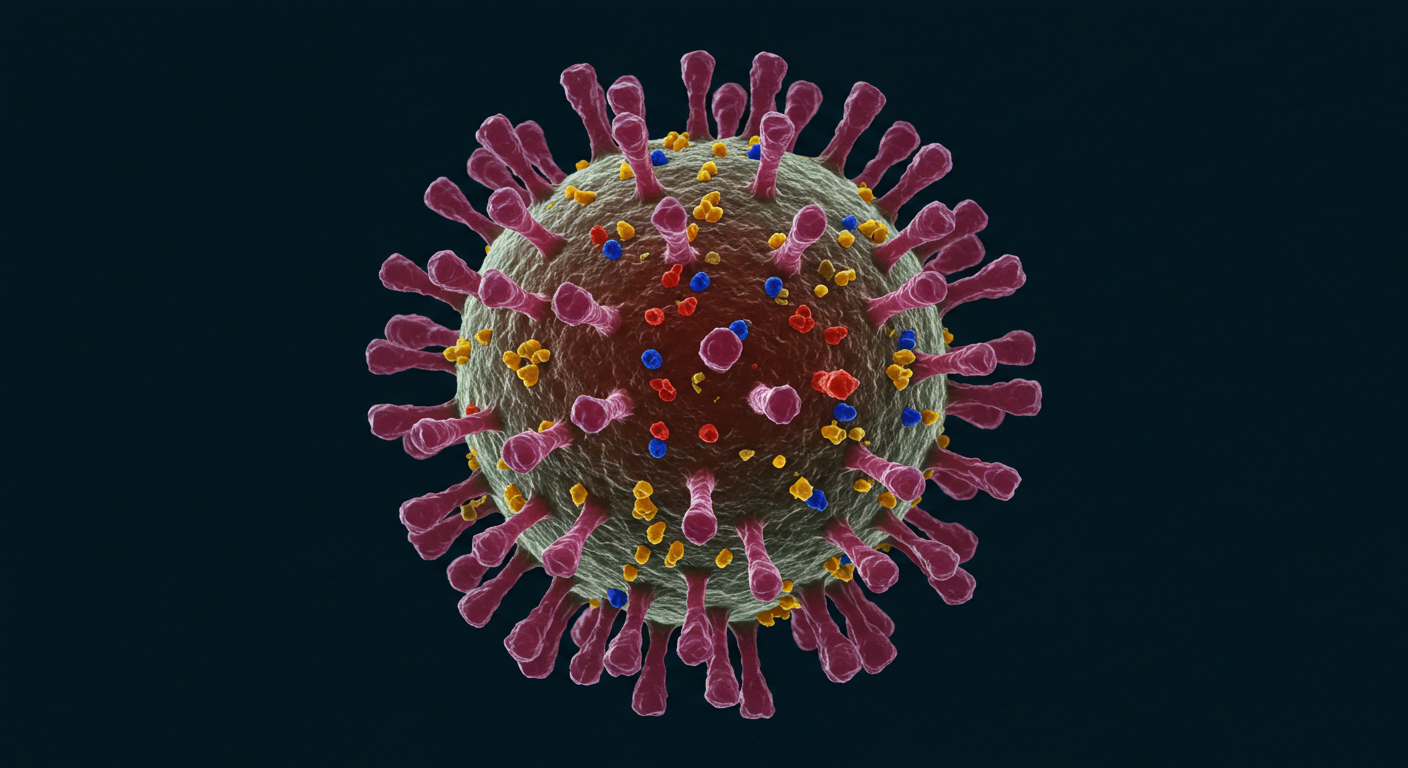
Nimbus’s quick ascent suggests a greater transmissibility, probably through frequent mutations in the spike protein that increase its “fitness” for human cells, although this is still in active research. One preprint report indicates that it might have some degree of immune evasion, perhaps providing it with an advantage over other Omicron subvariants in a population with immunity that’s in decline.
However, current vaccines, such as the 2024–2025 revised boosters from Pfizer, Moderna, and Novavax, should still offer good protection against serious illness. The WHO still stands by their effectiveness.
Health authorities suggest that at-risk groups, such as adults above the age of 65, immunocompromised individuals, pregnant women, or those with chronic illnesses, remain boosted, particularly before traveling in summer and attending gatherings.
📄 POLICY WIRE WHITEPAPER PUBLISHED: PAKISTAN'S NATIONAL SECURITY POLICY PRIORITIES
👉 READ BY CLICKING HEREGovernments across the globe are reacting by speeding up genomic surveillance by sequencing and wastewater monitoring, particularly in hotspots such as California. They are issuing recommendations promoting mask wearing in indoor crowded areas, symptom or exposure testing, and meticulous hand hygiene. Vaccination updates emphasize high-risk populations because some governments, including the FDA, have restricted age-based eligibility for boosters. The governments are also encouraging improved indoor air quality through ventilation, HEPA filters, and cautioning against high-risk gatherings if case or wastewater data start increasing.
The majority of experts anticipate a modest but real summer COVID surge, with case numbers increasing modestly but creating hardly any disruption. Fatigued societies will resist reimposed mitigation measures, yet vaccination is still key protection from severe disease. Access to early treatment, including antivirals like Paxlovid, for the vulnerable is essential. Risk reduction measures such as masking, ventilation, and staying home if unwell continue to suppress spread.
While Nimbus is not a harbinger of pandemic-level disruption, it is a reminder that COVID continues to be a moving target. Seasonal waves are now the norm. This is far from the early days of 2020, but still concerning for those at risk.
Nimbus shows a sobering reality. Omicron variants keep evolving, and even the lightest of them can propagate through health systems and communities. Yet there is reassurance in the resilience created by vaccines, treatments, and public consciousness.
The razor-blade sore throat may be disorienting, but it does not presage a reckoning. It is a summons to caution, to get vaccinated, to mask if at risk, and to treat COVID not as distant history but as a continuing public health challenge. It is controllable, but not dismissible.
Overall, Nimbus is concerning for its spread and unique symptoms, but not terrifyingly dangerous. The globe can and must prepare, particularly prior to traveling during summer months. Continued monitoring, vaccination, and focused protection of vulnerable populations will keep the wave, and the next one, in check.
Author