


New York City Plans Ban on Central Park Horse-Drawn Carriages Following Tragic Teen Death
New York City lawmakers advance a historic ban on Central Park horse-drawn carriages by 2028 following safety concerns and a teenage tourist's fatal accident.

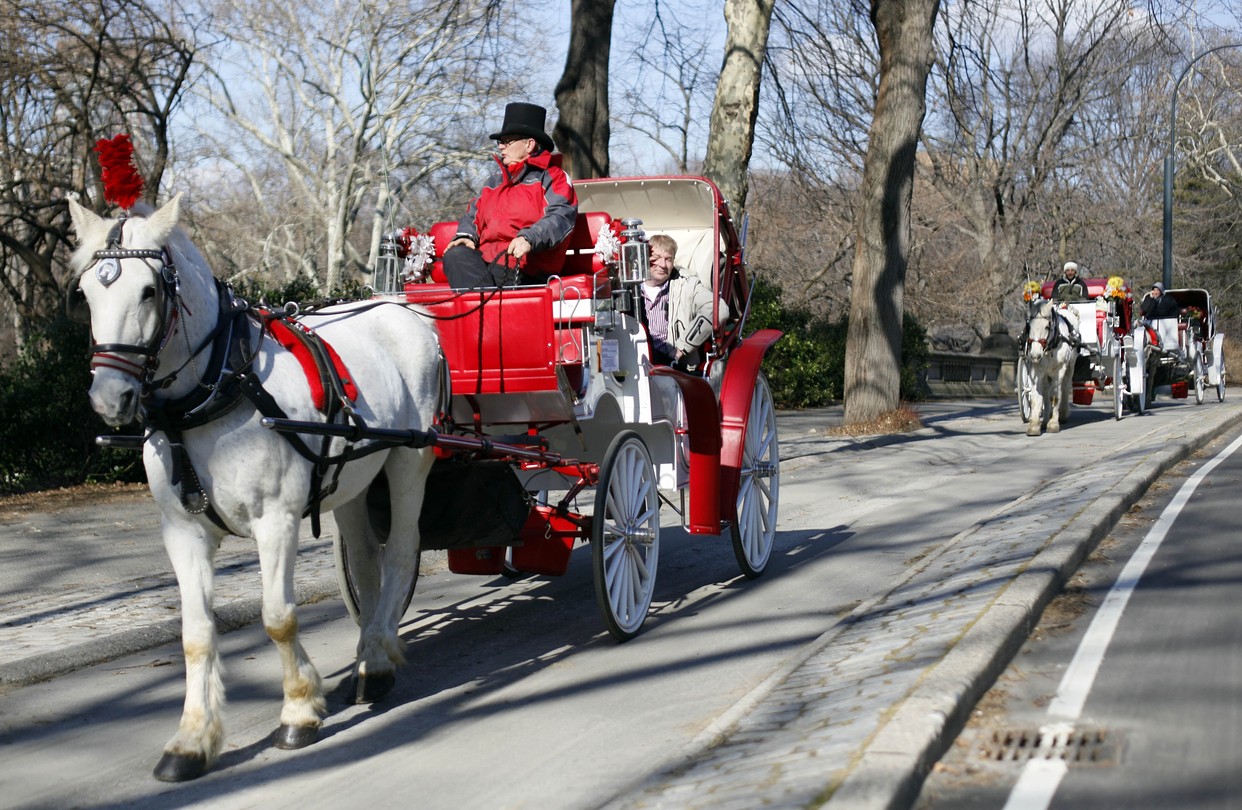
POLICY WIRE — New York, United States — New York City lawmakers are preparing to enact a ban on Central Park’s horse-drawn carriages, drawing a final curtain on a picturesque tourist fixture spanning more than 150 years. The impending legislative action arrives following a long history of pushback from animal protection advocates and the tragic death of an 18-year-old tourist during the spring season.
The City Council is projected to vote on and pass a measure next week that will phase out the carriage excursions by 2028. This push overcomes years of political deadlock, during which three successive mayors advocated for terminating the carriage operations due to persistent safety hazards only to face legislative resistance.
Julie Menin’s office confirmed that the upcoming vote possesses the required backing to clear the legislative body. Meanwhile, Mayor Zohran Mamdani’s administration announced that an agreement had been successfully finalized with the council speaker regarding the statutory framework.
The horse carriage industry is coming to an end in New York City, Mamdani declared through a social media statement following the agreement.
Momentum for the prohibition accelerated sharply in June when 18-year-old Romanch Mahajan, visiting from India, lost his life after leaping from a runaway carriage while touring the park alongside his family members. Marking what appeared to be the initial fatality linked to a carriage incident in Central Park, the tragedy reignited fierce public debate over whether animal-pulled vehicles belong within a dense modern urban setting.
Relatives of the victim have directly addressed the local government both in person and through remote video links from India, pleading with officials to permanently shut down the rides. Deepak Mahajan, the victim’s father, spoke during a council hearing over the summer to describe the lasting trauma of the incident, explaining that his son had jumped out to assist his mother after she was thrown from the vehicle when the animal bolted.
Animal rights organizations have criticized the trade for decades, asserting that horses should not be forced to navigate congested municipal streets and crowded park paths alongside heavy traffic and pedestrians. Prior incidents involving spooked animals colliding with property or collapsing had previously sparked intermittent calls for prohibition.
Menin noted that the preventable nature of Mahajan’s death demonstrated that the current operational model is no longer sustainable, acknowledging the historical significance of the carriages while emphasizing their modern liability as a public safety hazard.
Conversely, defenders of the tradition have consistently framed the rides as an essential link to the cinematic history of New York City, pointing to their appearances in famous motion pictures such as The Band Wagon, Barefoot in the Park, and Home Alone 2: Lost in New York. Longtime driver Conor McHugh previously testified before the council that the carriage rides remain one of the most recognizable global attractions drawing visitors to the city.
Labor organizations and industry advocates have strongly condemned the legislative push, pointing out the economic impact on workers. Transport Workers Union International President John Samuelsen criticized the council leadership for leveraging a tragic accident to manufacture a crisis while threatening the livelihoods of immigrant families.
The draft legislation mandates that the mayor’s office formulate a workforce transition strategy for affected operators alongside provisions for potential financial compensation. Additionally, the text stipulates that carriage horses cannot be sold for slaughter and must be rehomed through humane methods.
Mamdani emphasized the city’s ethical obligation to support displaced workers during the transition process, noting that officials must ensure individuals are not left without assistance. Past attempts by former executives, including Eric Adams and Bill de Blasio, faced substantial roadblocks from labor unions and public campaigns, ultimately stalling prior efforts to reform or dismantle the industry.
Current city regulations mandate several animal welfare safeguards, including a mandatory five-year-old vacation period outside municipal borders with daily pasture access, twice-yearly veterinary checks, a working age limit of 26 years, and temperature restrictions that halt operations when readings exceed 89 degrees.
Reporting by Policy-Wire (PW)