


New Mexico: Smoke, Heat, & Climate Crisis’s New Normal
New Mexico's persistent smoke, heat, and wildfires reveal a global climate crisis becoming the 'new normal.' Understand its impact on health, economy, and urgent need for strategy.

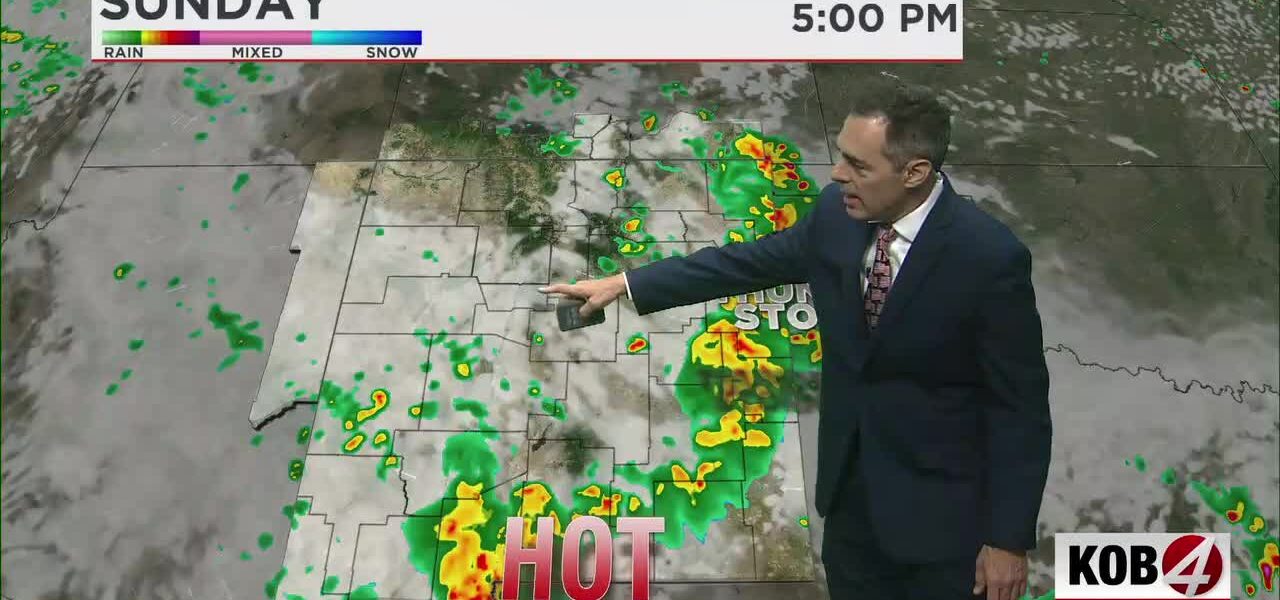
POLICY WIRE — ALBUQUERQUE, N.M. — Another Sunday, another predictable tableau unfurling across New Mexico: the slow, insidious creep of wildfire smoke—a grey veil hanging heavy over the Sangre de Cristo Mountains, then drifting south. And with it, a brutal, unyielding heat. But beyond the forecast’s immediate grind, there’s a weary resignation settling in, a collective shrug at what’s become less an anomaly and more the unacknowledged everyday for the American Southwest.
It’s not just a weather report, you see. This daily grind of extreme heat and air tainted by distant infernos speaks volumes about the slow, often ignored erosion of what we once called normal. Yes, they’re still tracking thunderstorms near Roswell, packing lightning and gusts mean enough to rattle dentures, but that’s almost background noise now. It’s the constant, grinding pressure of climate-influenced events—a new state of being for millions.
Because while the sky might clear eventually, the underlying currents—the dry conditions feeding these sprawling fires, the unrelenting thermal assault—they persist. They’re reshaping economies, forcing uncomfortable political conversations, and stretching local resources thinner than a politician’s patience. Governor Michelle Lujan Grisham, no stranger to the state’s ecological tightrope walk, put it rather plainly last month: “We’re not just forecasting weather anymore; we’re managing a year-round crisis. The public has to understand the strains this puts on our emergency services, our economy—everything.” She isn’t wrong.
And let’s be blunt: This isn’t just a Southwestern peculiarity. This kind of environmental vise—heat, smoke, then suddenly, violent localized storms—it’s becoming a global phenomenon, particularly hitting vulnerable populations. Think about the megacities of South Asia, Karachi for instance, grappling with annual smog seasons that choke millions, or the recurring, devastating floods that redefine ‘monsoon’ across Pakistan. They’re just different symptoms, same disease. They’re all echoes of a world struggling to recalibrate.
But the numbers don’t lie, do they? As the National Interagency Fire Center reported recently, wildfire activity in the U.S. has already consumed over 3 million acres this year, significantly surpassing the 10-year average. Those aren’t abstract figures; they represent livelihoods upended, air quality plummeted, and a relentless drain on public coffers and human spirit. We’re witnessing a systematic rewriting of environmental reality, one smoke plume at a time.
New Mexico’s State Environmental Protection Secretary, Dr. Elena Chavez—she’s seen more than a few bad seasons—shared her frank perspective with Policy Wire just days ago. “These aren’t isolated incidents. What we’re seeing—the smoke, the heat, the erratic storms—it’s part of a broader atmospheric shift that demands a coherent, long-term strategy, not just day-to-day responses. We’re effectively in a low-grade atmospheric war.” It’s hard to argue with that assessment when the horizon is perpetually hazy and the mercury won’t quit.
📄 POLICY WIRE WHITEPAPER PUBLISHED: PAKISTAN'S NATIONAL SECURITY POLICY PRIORITIES
👉 READ BY CLICKING HEREMeanwhile, most of Albuquerque probably won’t see a drop of rain, though some distant communities to the east might catch the tail end of those storms. For the rest of the state, it’s just another fairly hot, fairly dry, fairly hazy Sunday—another testament to a future that’s already here.
What This Means
The perpetual state of environmental alert in New Mexico, mirroring similar climate-induced disruptions globally, isn’t simply an inconvenience. It’s a grinding force impacting everything from tourism revenue to public health infrastructure. Economically, repeated fire seasons mean huge outlays for suppression, disaster relief, and recovery, diverting funds from other critical public services. Air quality issues contribute to rising healthcare costs — and decreased productivity. Politically, this becomes a sticky wicket: how do state and federal agencies continue to justify robust investments in climate mitigation and adaptation when immediate crises constantly drain budgets? The long-term implications for agriculture, water rights—always a powder keg in the Southwest—and even inter-state migration are immense. Just like nature’s fury can rekindle political tempests elsewhere, the same dynamics apply here. It sets a precedent, one we can’t afford to ignore: reactive fixes are no longer cutting it. A different, more strategic approach, perhaps even a continental one, is badly needed. Otherwise, this weekend’s grim outlook is simply next weekend’s—and the next year’s—default setting, just like when the skies literally fall on other aspects of daily life.
So, as the forecast predicts a few scattered showers and storms—maybe a brief respite—don’t get too comfortable. This weather isn’t going anywhere, — and neither are its consequences.