


New Mexico Bets on Brushstrokes and Balance Sheets: A Creative Economy Gamble
POLICY WIRE — ALBUQUERQUE, N.M. — It ain’t all oil — and extraction in New Mexico anymore, not if the state’s economic planners get their way. They’re banking on a...

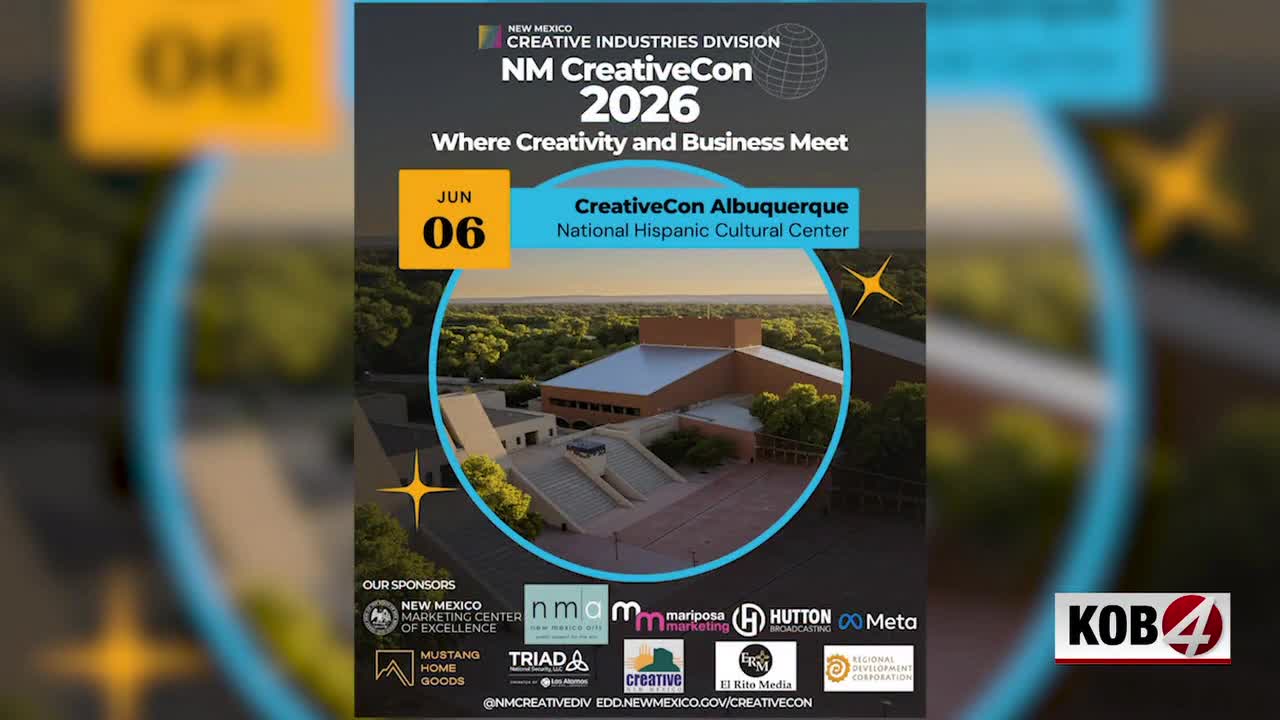
POLICY WIRE — ALBUQUERQUE, N.M. — It ain’t all oil — and extraction in New Mexico anymore, not if the state’s economic planners get their way. They’re banking on a different kind of commodity — the imagination — and pouring a bit of bureaucratic muscle behind it. The initiative itself, called CreativeCon, it’s been snaking around the state for a spell, quietly cultivating the kind of economic diversification usually lauded in economic development whitepapers, but rarely executed with this much hands-on grit.
Next week, the whole traveling show lands right here in Albuquerque, an echo of what one might call the state’s persistent, sometimes desperate, push beyond traditional revenue streams. For all the picturesque sunsets and rugged individualism, the actual business of keeping a state humming often requires more than just natural beauty. It demands an economy robust enough to withstand the whims of the market, which is where things get interesting. [QUOTE_PLACEHOLDER]
New Mexico’s Economic Development Department, they’re the folks steering this particular ship. And it’s less about direct subsidies and more about empowerment — helping the artisans, the digital designers, the folks who work with their hands and their heads, figure out how to make a living. Director Shani Harvie isn’t pulling any punches about the effort’s scope: “We’ve been on the road since March in almost all four corners of the state. And we’re bringing together the different resources, services, grant programs, and business development that’s available for creatives and creative business owners.” You hear that? “All four corners.” They’ve covered some ground.
It’s a ground-level approach, frankly. No high-minded declarations from on high, just a practical endeavor to plug the talent pool into tangible support. The initiative’s been making stops — Carlsbad, Raton, Gallup, Silver City — before it swings into Pojoaque and finally Albuquerque. It’s a grassroots effort for an industry that’s often dismissed as frivolous, but actually drives quite a bit of revenue if you look closely.
Arlen Nelson, a coordinator in the Creative Industries Division, talks about their digital hub: “It has over 600 different assets that can help a creative to understand what business resources are in their area, local area, like small business development centers.” Nelson elaborates, saying, “And it pretty much helps to understand what creative, depending on where that creative is, right? It could be a person who may not have started their business yet, or somebody who may have started their business and looking for ways to expand. So understand there’s a lot of free resources.” Free resources — that’s always music to any entrepreneur’s ears, especially the ones with a vision more attuned to aesthetics than EBITDA statements. It’s smart. These people are creating the next wave, even if they don’t quite realize it yet.
The Albuquerque event itself, slated for June 6 at the National Hispanic Cultural Center, isn’t just a pep rally. It’s got layers. “We have three different workshop tracks,” Harvie explained. One’s “for startup artists or hobby creatives, folks that don’t have a business.” Another for the folks already in the grind: “The second track for existing creative businesses.” And the third? “And then the third one for local policy developers, elected officials, community developers, people who are in the space that want to know more about what’s the creative economy, why should we be investing in it and what’s this opportunity that we’re talking about.” That last track, well, that’s where the rubber meets the road — convincing the folks with the purse strings that a painting isn’t just paint on canvas, it’s commerce, plain and simple.
Entry is $16, which, frankly, is a steal for a full day of insights — and networking. A portion of that fee even flows right back into their grant fund — a virtuous cycle, they hope. It includes your lunch and, get this, New Mexico Piñon Coffee all day, plus magazine placements and subscriptions to art services. Small perks, big draw.
What This Means
New Mexico’s push for a vibrant creative economy isn’t just some feel-good initiative. It’s a cold, hard political — and economic calculation. States, much like developing nations, are always looking to diversify their economic portfolios. Depending too heavily on one or two industries — say, natural resources — can leave you vulnerable. We see this dynamic in countries like Pakistan, where an over-reliance on traditional agriculture or textiles makes the economy susceptible to global shifts or environmental shocks. The challenge there, and indeed in many South Asian or Muslim-majority nations, is similar: how do you foster innovation, support small-to-medium enterprises, and cultivate human capital when larger structural issues often dominate the agenda?
Globally, the creative industries, including everything from film and music to design and software development, are significant drivers of GDP. A 2023 report from the US Bureau of Economic Analysis (BEA) stated that arts and culture contributed $1.12 trillion and 4.9 percent to the U.S. GDP in 2022. It’s a serious business, no joke. So, New Mexico’s effort here — focusing on accessibility, education, and direct connections to resources — mirrors an approach that could prove effective elsewhere, say, in cultivating an animated film industry in Lahore, or boosting artisanal crafts exports from rural Turkey. And these kinds of initiatives aren’t just about dollars — and cents. They’re about fostering resilience, pride, — and perhaps even soft power on a global scale. Who knows? A thriving creative sector can draw investment, tourists, and yes, even change global perceptions. Just like how Albuquerque is trying to change perceptions of what a “creative” economy truly means, one piñon coffee-fueled workshop at a time.
This isn’t merely a local curiosity; it’s a microcosm of a global economic pivot. The future of many economies, New Mexico’s included, won’t solely be built on extracting things from the ground or selling cheap goods. It’ll be built on what people can *create*.