


Netanyahu Sparks Controversy Over Arab Voter Turnout Claims in Tight 2026 Election
Prime Minister Benjamin Netanyahu faces backlash for warning of an Arab voter surge in Israel's 2026 election, as Arab leaders condemn the rhetoric as racist.

POLICY WIRE — Jerusalem, Israel — Prime Minister Benjamin Netanyahu and his far-right coalition allies launched a final effort on Tuesday to mobilize their base, issuing stark warnings regarding a significant increase in Arab voter participation. This strategy, which critics and Arab political leaders have labeled as inflammatory and racist, has intensified tensions during the October 27, 2026, legislative election.
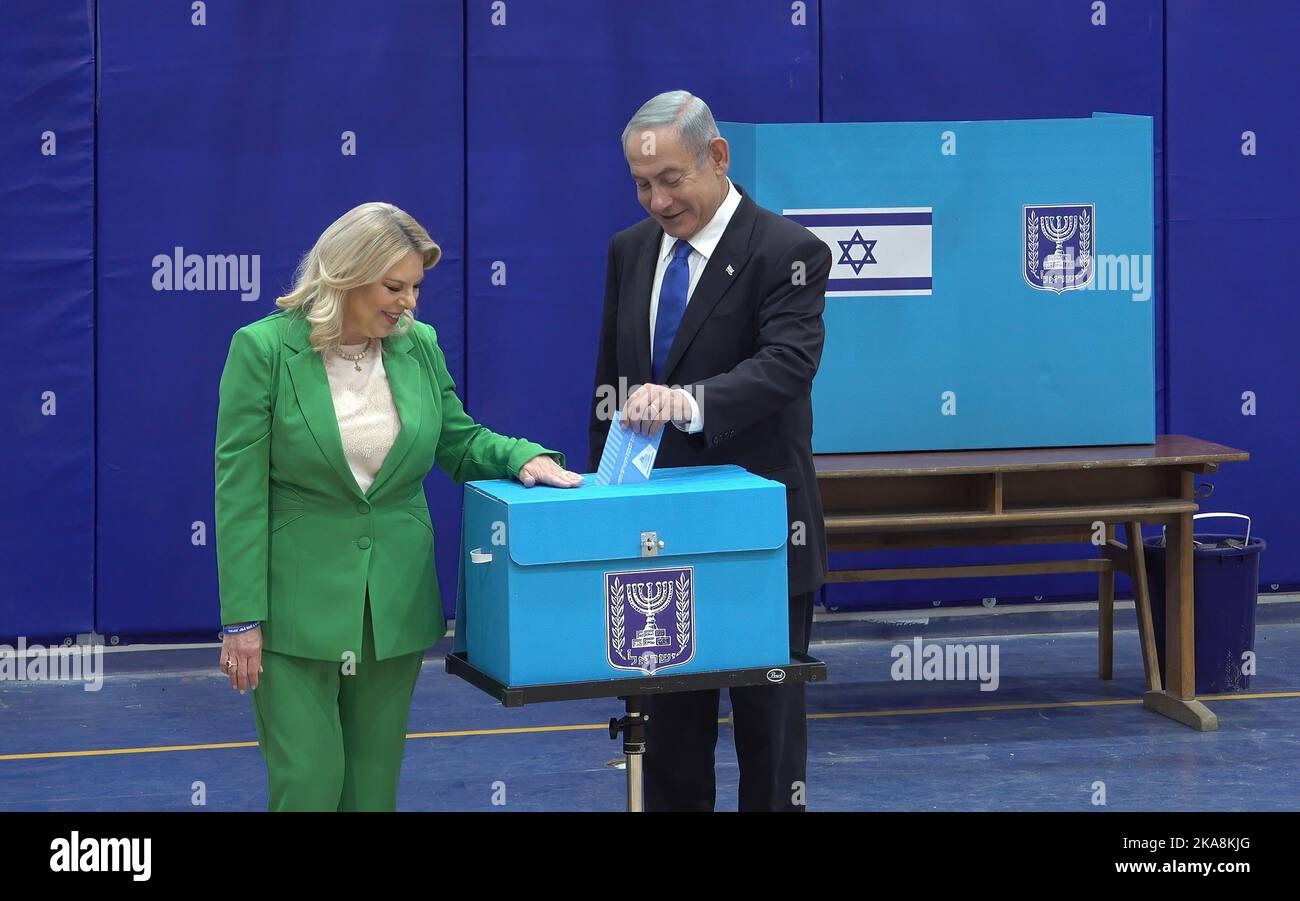
As voters headed to the polls, vehicles adorned with Likud party flags circulated through Jerusalem, broadcasting the Islamic call to prayer in a move intended to drive right-wing turnout. Netanyahu, utilizing a strategy seen in previous campaigns, claimed in a video message that Arab voters in the south were racing to the ballots.
In a separate social media post, the Prime Minister alleged that Arab voters were raiding the polling stations and stealing the elections. These comments come as projections suggest Arab voter turnout could climb from 50 per cent to 70 per cent, potentially altering the nation’s political trajectory.
Current polling data indicates a tight race, with the opposition holding 56 seats compared to 50 for Likud, while Arab parties control 14 of the 120 seats in the Knesset. Arab citizens, who represent approximately 21% of the population, are being encouraged by their leaders to vote in record numbers to challenge the current government and curb the influence of far-right factions.
The Joint List, an alliance of three Arab parties, further accused the Prime Minister of employing artificial intelligence to generate misleading imagery intended to exaggerate the scale of Arab voter participation. As Gadi Eisenkot seeks to challenge the incumbent, the high turnout among the Arab minority remains a pivotal factor in the final outcome.
Reporting by Policy-Wire (PW)