


NASCAR’s Nashville Washout: A Microcosm of Unforeseen Economic Turbulence
POLICY WIRE — Nashville, United States — A casual glance at the weather report, days ahead of the anticipated roar of engines, rarely suggests impending fiscal distress. Yet, sometimes, the smallest...

POLICY WIRE — Nashville, United States — A casual glance at the weather report, days ahead of the anticipated roar of engines, rarely suggests impending fiscal distress. Yet, sometimes, the smallest atmospheric disturbance can ripple through carefully laid economic plans like a pebble dropped in a vast, calm lake. Such was the case in Music City, where a scheduled afternoon of high-octane spectacle devolved into a study in frustrating idleness, all thanks to a rather indifferent sky. It’s a familiar narrative, of course: humanity makes plans, then nature intervenes. But for NASCAR and its ecosystem, it wasn’t just a race; it was a scheduled economic event, suddenly put on indefinite hold.
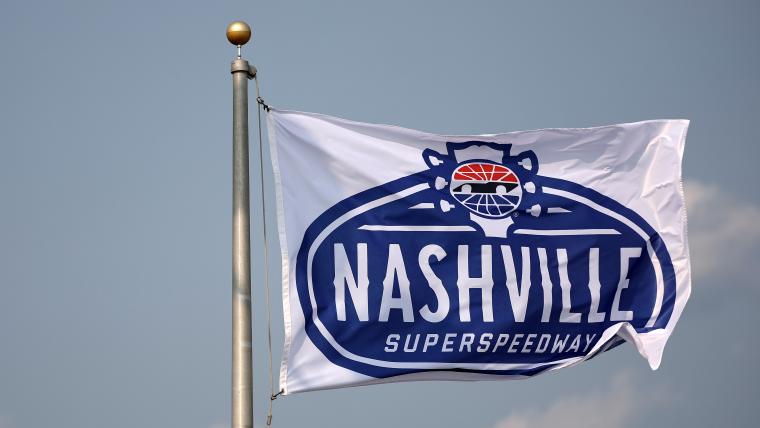
Fans, those eager throngs ready to consume everything from overpriced soda to official merchandise, had made their pilgrimages to Nashville Superspeedway. They came armed with anticipation — and credit cards, prepared to contribute to the local economy. But as evening crept in on May 31, 2026, the pre-game buzz faded under a steady, wet descent. It’s unclear just how long they’ll have to work to dry the track, and for everyone invested—from track staff to hospitality workers—this uncertainty was, and still is, a cold splash of reality. Because race cancellations, or even extensive delays, don’t just cost lost gate receipts; they incur lodging rebookings, staff overtime, wasted food inventory, and, worst of all, erode fan goodwill. [QUOTE_PLACEHOLDER]
Initially, there was a glimmer of hope, a misplaced optimism perhaps. Officials hoped for a brief interlude, a chance for the skies to clear before the 7:25 p.m. ET kickoff. Alas, that particular meteorological prayer went unanswered. The grand plans to fire engine to kick off tonight’s race at 7:25 p.m. ET crumbled faster than a race car without a wheel. Soon after, the dreaded update came: the start of tonight’s race is delayed due to rain. And that’s it, really. No new start time has been listed yet. A stark, declarative statement carrying an immeasurable burden of rescheduling, recalculation, and plain old financial headaches.
It brings into sharp relief the fragile nature of large-scale public events, even in regions boasting formidable logistical capabilities. A simple rain shower, persistent enough, can ground the most technologically advanced sports machinery and disperse thousands of paying customers. Bob Pockrass, a FOX Sports analyst, mused on the drying process, theorizing that it would take between 45-90 minutes to dry the course. That’s a relatively short window if the rain actually stops. But it didn’t, not entirely, — and what’s 90 minutes when the revenue streams are already clogged?
Consider, if you will, the sheer volume of economic activity tethered to these races. Not just ticket sales, but broadcasting rights, corporate sponsorships, merchandise, local eateries, hotels, gasoline stations – an entire temporary economy sprouts around the spectacle. The U.S. motorsports industry, including NASCAR, contributed over $70 billion to the national GDP in 2019, supporting more than 900,000 jobs, according to a 2020 report by Oxford Economics. When you yank a spoke out of that wheel, even temporarily, the ripple is palpable. The economic fallout isn’t just about frustrated fans; it’s about disrupted paychecks, spoiled food orders, and complex logistical snarls that cost real money and real jobs.
But this isn’t just an American story. This vulnerability to the caprice of weather—or, more broadly, to unexpected external forces—echoes globally. From the monsoon-battered harvest seasons in Pakistan’s agricultural heartlands, which directly impact commodity prices and national stability, to critical infrastructure projects across South Asia susceptible to flash floods, the themes of human ambition meeting environmental reality are strikingly similar. Imagine, for instance, a critical infrastructure project near Lahore, like an ambitious new section of the M-2 motorway, delayed by prolonged unseasonable rains. The impact on supply chains, commuter patterns, — and project budgets would be devastating. It wouldn’t be just an inconvenience; it would be a macroeconomic tremor. Just like here in Nashville, that unpredictable delay could send economic shivers down entire supply chains.
So, the rain that fell in Nashville wasn’t just rain. It was a potent, if common, symbol of systemic fragility. We’ve built these elaborate spectacles, these massive economic engines, often overlooking the elementary truths about the ground they stand on, or the sky that hangs above them. We expect instant gratification, smooth operation, predictable outcomes. But what if the clouds have other ideas?
What This Means
The seemingly innocuous delay of a NASCAR race, an event many dismiss as mere entertainment, holds surprising lessons for policy and economic resilience. It underscores how interdependent modern economies have become. A single inclement weather event can stress local economies designed to profit from these gatherings. More broadly, it highlights the pressing need for adaptability in our grand plans. Whether it’s managing event schedules or forecasting global trade, reliance on static projections—like the early forecasts appeared to suggest that the race would be left unscathed—proves precarious. Governments, businesses, and event organizers globally should perhaps consider how frequently the unforeseen can derail their most ambitious initiatives. They’ve got to build in more redundancy, more flexibility, — and less certainty.
And you see this mirrored in developing nations, too, like those in the Muslim world, where a shift in agricultural patterns due to climate change—a grander, more sustained form of inclement weather—can directly trigger food insecurity and economic migrations. Just as race organizers are left scrambling to dry a track, nations grapple with rebuilding communities after unexpected climate events, often with far greater human and financial stakes. This Nashville episode, then, is a localized mirror of broader economic vulnerabilities—a micro-scale demonstration of how fragile our best-laid schemes can truly be, and how much even an industry reliant on raw power remains subject to forces it simply can’t command. But they don’t seem to get that memo always. Or perhaps they just hope for the best, because really, what else can they do?