


Mumbai Monsoon Havoc: Building Collapse Kills Six
POLICY WIRE — Six lives were abruptly extinguished this past weekend in Mumbai, India's financial capital, as a residential building succumbed to the relentless...

POLICY WIRE — Six lives were abruptly extinguished this past weekend in Mumbai, India’s financial capital, as a residential building succumbed to the relentless power of the monsoon season. Five of those deceased were children, a tragic toll underscoring the precarious balance between rapid urbanization and persistent infrastructure challenges that define many South Asian metropolises. (Reporting based on wire reports)
The calamity unfolded on Sunday in the eastern part of the sprawling city when a dilapidated residential structure catastrophically gave way, trapping its occupants under a mountain of debris. Mumbai Mayor Ritu Tawde confirmed the grim details in a statement on Monday, revealing the heartbreaking scale of the loss.
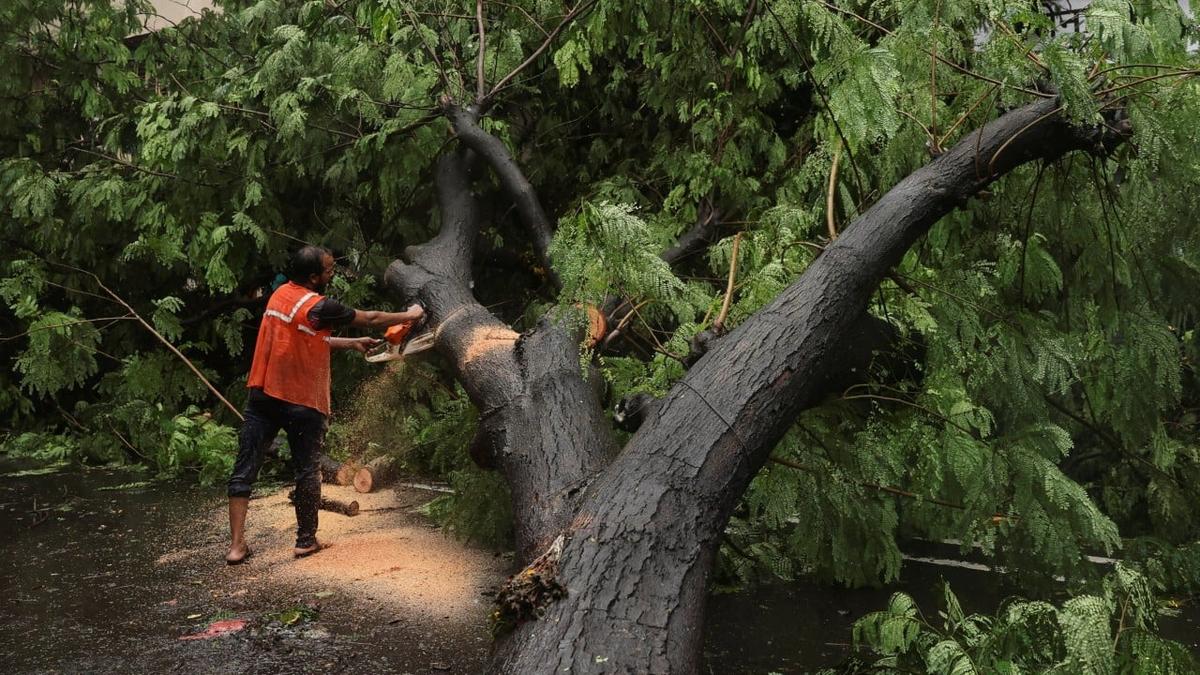
This structural failure was not an isolated incident but rather a devastating symptom of a wider environmental event. Torrential monsoon rains had been pounding Mumbai, transforming its busy streets into flooded canals and necessitating widespread school closures to safeguard residents. The India Meteorological Department documented more than 200mm of rainfall, a volume that pushes urban drainage and building integrity to their breaking points.
Mumbai’s monsoon season, typically running from June to September, is a crucial lifeline for the country’s agriculture but frequently brings widespread disruption and tragedy to densely populated urban areas. Older buildings, often constructed without adherence to modern safety standards or having suffered from years of neglect, become acutely vulnerable under the ceaseless onslaught of heavy rains. Waterlogging can weaken foundations — and structural elements, turning residential blocks into potential deathtraps.
The rapid expansion of cities across India, including Mumbai, has often outpaced the development of robust, resilient infrastructure. Unsanctioned constructions, coupled with insufficient maintenance of existing older properties, create a heightened risk profile, particularly during extreme weather events. It’s a perennial cycle that sees authorities issue warnings every monsoon season, yet the incidents continue to recur, challenging urban planners and disaster management agencies alike.
Beyond India’s borders, this grim pattern is familiar across the wider South Asian region. Countries like Pakistan and Bangladesh face similar annual struggles during their monsoon periods, battling a combination of extreme weather, informal settlements, and the strain on aging urban infrastructure. Building collapses and widespread flooding become an unfortunately common backdrop to daily life, compelling regional governments to grapple with mitigation strategies and long-term urban planning.
What This Means
The tragedy in Mumbai is a stark, annual reminder of the critical need for comprehensive urban development strategies in South Asia’s mega-cities. While monsoons are an inescapable climatic reality, the human cost of these natural phenomena can be significantly reduced through proactive measures. Enhanced building codes, rigorous enforcement of construction standards, and regular inspections of aging structures are not merely bureaucratic tasks but essential safeguards for human life.
The consistent failure to address the proliferation of precarious dwellings, often exacerbated by rapid internal migration and affordable housing shortages, places millions at perpetual risk. Looking forward, city administrations must prioritize climate-resilient infrastructure. This includes not only constructing stronger buildings but also investing in improved drainage systems and early warning mechanisms. Whether the political will and resources are sufficiently mobilized to transition from reactive disaster response to proactive risk prevention remains a defining challenge for urban centers like Mumbai.