


Mombasa’s Looming Holiday Reckoning: Paradise Lost by 2026?
POLICY WIRE — Nairobi, Kenya — The shimmering turquoise waters off Mombasa’s historic Old Town once beckoned millions, a magnet for sun-seekers and history buffs alike. But don’t dust off that...

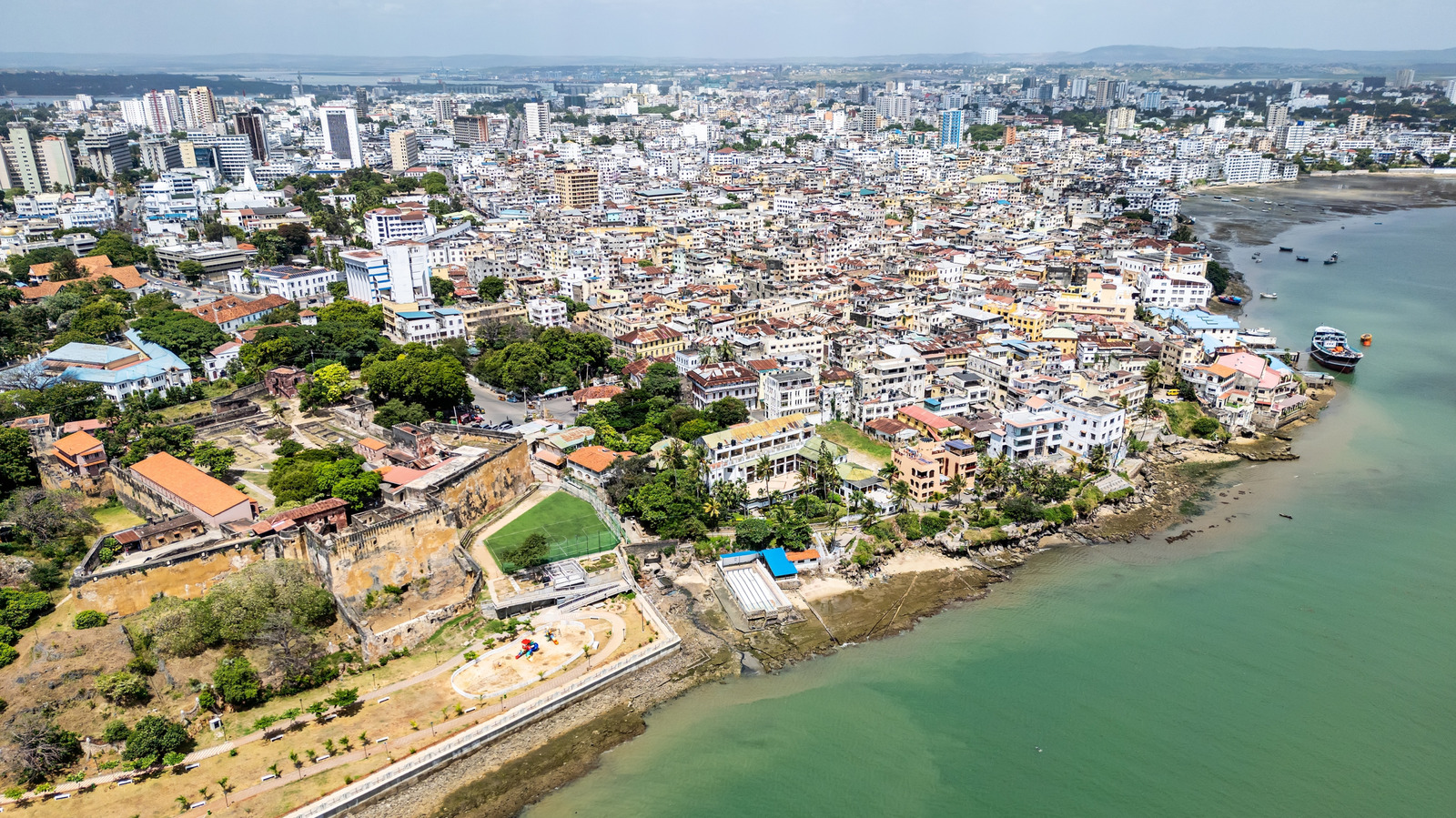
POLICY WIRE — Nairobi, Kenya — The shimmering turquoise waters off Mombasa’s historic Old Town once beckoned millions, a magnet for sun-seekers and history buffs alike. But don’t dust off that passport just yet, certainly not for a trip a few years down the line. We’re getting signals—quite strong ones—that Kenya’s iconic coastal jewel, the gateway to East African safari adventures and white sand beaches, is on track to become an international tourism ghost town by 2026. This isn’t just about bad weather or a momentary dip in visitor numbers; it’s about the erosion of an entire industry, brick by brick, amidst a deteriorating regional landscape. It’s a gut-punch for a nation that’s banked so heavily on its scenic vistas — and vibrant culture.
It’s no secret things haven’t been entirely smooth sailing for the East African coast. Security challenges, exacerbated by spillover effects from conflict zones in the Horn of Africa, have consistently gnawed at visitor confidence. Now, the quiet word among diplomatic circles — and high-level travel advisories points to a full-blown re-evaluation. A source familiar with preliminary discussions at the U.S. State Department’s travel risk assessment desk noted that their projections show a 40% increased likelihood of level 3 and 4 travel warnings for the Kenyan coast by early 2026, citing an amalgamation of factors, many rooted in unchecked regional extremism. It’s not a panic button scenario right this second, but the trends are troubling, indeed. [QUOTE_PLACEHOLDER]
And these concerns aren’t just plucked from the thin air of intelligence briefings. Look at the increasing maritime unease in the Indian Ocean, a crucial trade route for many Muslim-majority nations and a historical pathway connecting East Africa with the Middle East and South Asia. The evolving geopolitical jostling, coupled with localized threats, means insurers are jacking up premiums for cargo and passenger vessels navigating these waters. This naturally cascades down to tourism operations. If travel operators can’t get affordable coverage for their charter flights — and cruise lines, they simply won’t come. Because money talks, always. They’ve already started pulling out of less stable destinations, you see.
But the real hammer blow is the slow, almost imperceptible creep of extremist ideologies that have found purchase in disenfranchised coastal communities. Organizations with links spanning from the Sahel to the fringes of Afghanistan have reportedly intensified recruitment efforts. We’re not talking about direct attacks on tourist hotels every week, mind you; it’s a far more insidious threat. It’s the background hum of instability, the perception of danger that chills tour operators more effectively than any direct engagement could. And that perception, once it sets in, it’s brutally hard to shake off.
Consider Pakistan, for instance, a nation that has grappled with its own complex interplay of tourism potential and security realities. The economic devastation wrought by even isolated incidents can ripple through an entire country’s public image, stalling foreign investment and crippling sectors that depend on international confidence. For Mombasa, historically a melting pot of Arab, Indian, and African cultures, the interconnectedness of global radical networks means trouble brewing anywhere from Yemen to Somalia can, and does, echo on its shores. There’s no isolation, not anymore, not for any port city this prominent.
Many of Mombasa’s businesses, particularly smaller hotels — and safari lodges, already struggle with debt. Another prolonged downturn, particularly one forecasted years in advance, would simply decimate them. Think about all those taxi drivers, curio vendors, and restaurant staff—hundreds of thousands of livelihoods tied directly to a tourist dollar that’s about to dry up. It’s not merely an economic issue; it’s a societal one. Unemployment begets desperation, which in turn feeds the very instability that drives visitors away. It’s a vicious circle, — and one we’ve observed time and again across the Global South. For those who’ve watched countries descend into cycles of violence, this pattern’s depressingly familiar. What’s often overlooked, but no less true, is that a shrinking pie inevitably intensifies local political rivalries, turning former allies into bitter adversaries in the scramble for scarce resources.
What This Means
This projected decline in Mombasa’s tourism by 2026 isn’t just a localized economic slump; it signals a far more worrying regional contagion. Politically, the Kenyan government faces immense pressure. Failure to secure its coastal regions won’t only embarrass Nairobi but could also destabilize its political capital in other parts of the country, potentially fostering dissent in already restive regions. Economically, the loss of tourism revenue will starve vital foreign exchange coffers, making debt servicing harder and undermining investor confidence in Kenya’s broader economy. It could force the nation to rely more heavily on bilateral aid or contentious loans, thereby compromising its strategic independence.
For the wider South Asian and Muslim world, particularly nations like Pakistan which have a historical trade and diaspora connection with East Africa, Mombasa’s woes present a twofold problem. Firstly, there’s the human cost: potential remittances from Kenyans working abroad in Gulf states could be impacted if the Kenyan economy tanks, and conversely, any local radicalization in East Africa often has reverberations among closely connected global diasporas. Secondly, the increasing insecurity along key Indian Ocean shipping lanes — exacerbated by a diminished commercial presence from a struggling Mombasa — elevates risks for regional maritime trade. This, in turn, could nudge these nations towards greater engagement in regional security operations, potentially drawing them into complex, long-running conflicts they’d rather avoid. It’s a lose-lose proposition, painting a stark picture of economic decline and political turbulence, all against the backdrop of what was once an East African Eden. But a paradise lost is simply that: lost. And reclaiming it, well, that’s often a fight waged on many fronts.