

Meta Assures Brazilian Court of Neutrality Amid Election Interference Claims
Meta confirms compliance with Brazil's electoral court to ensure equal treatment for presidential candidates Lula and Flavio Bolsonaro ahead of the runoff.

POLICY WIRE — Brasilia, Brazil — Meta Platforms has informed Brazil’s Superior Electoral Court that it has implemented necessary measures to guarantee equal treatment for the presidential campaigns of incumbent Luiz Inacio Lula da Silva and his challenger, Flavio Bolsonaro. The tech giant, which owns Facebook, Instagram, and WhatsApp, submitted a technical declaration on Tuesday confirming that its systems are managing content for both candidates in a non-discriminatory manner.
This filing follows a strict 24-hour ultimatum issued by the court on Monday, which threatened the company with daily fines of approximately $200,000 if it failed to demonstrate compliance. The legal pressure originated from a petition filed by Lula’s campaign on October 15, which alleged that Meta utilized biased algorithms and artificial intelligence restrictions to suppress content favoring the president while leaving Bolsonaro’s material untouched.
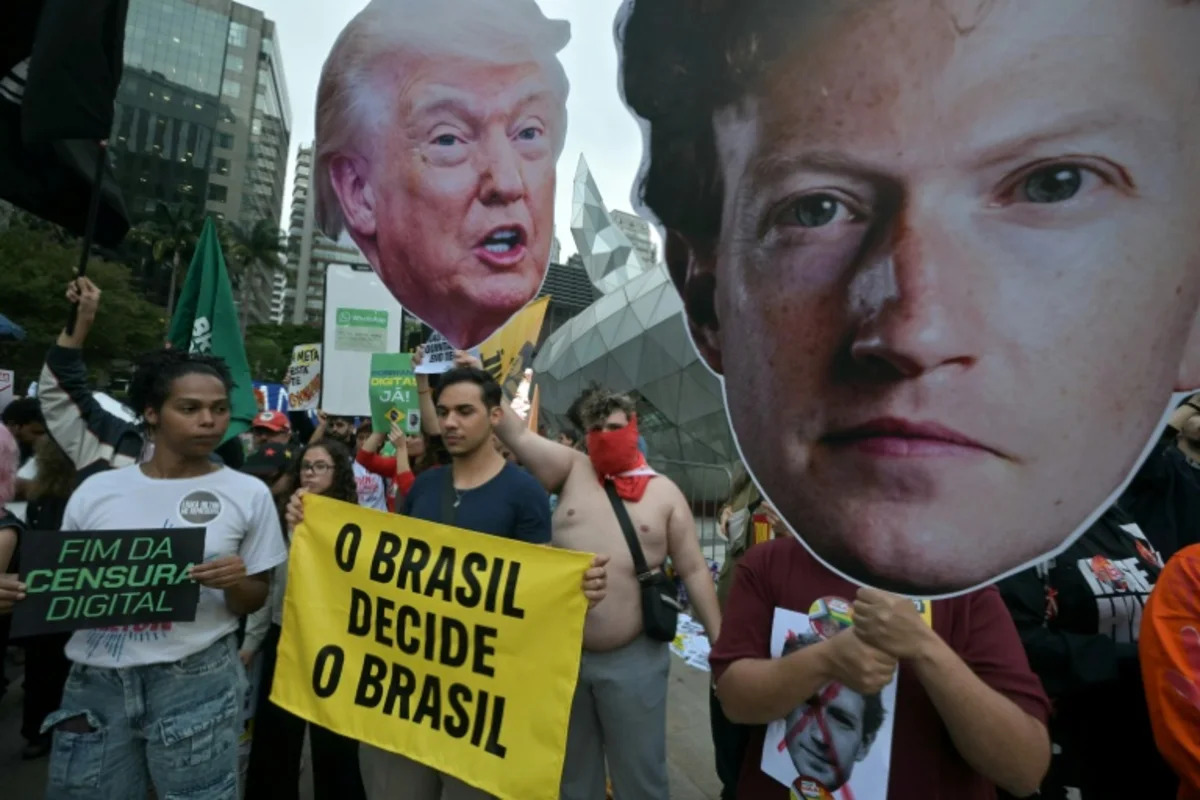
The political stakes remain high as the nation of 214 million people prepares for a runoff election on October 25. While Meta has consistently denied intentional bias, the company previously acknowledged that some of Lula’s campaign advertisements were deactivated due to technical errors. Tensions escalated on Monday when supporters of the president gathered outside Meta’s Sao Paulo offices to protest alleged interference.
Lula, 80, is currently seeking a fourth non-consecutive term, though he faces a tight race against the son of jailed former leader Jair Bolsonaro. Flavio Bolsonaro, 45, secured 47 percent of the vote in the first round compared to the incumbent’s 45 percent, with recent polls indicating a technical tie. The outcome of the upcoming vote will determine whether Brazil remains a left-wing stronghold or shifts toward a right-wing administration.
Reporting by Policy-Wire (PW)