

Mecca’s Melting Metropolis: Hajj Faces the Furnace of Climate Change
POLICY WIRE — Riyadh, Saudi Arabia — Every year, the faithful trek towards Mecca. Not just a journey of devotion, but a modern marvel of logistics, funneling millions through deserts and cityscapes...

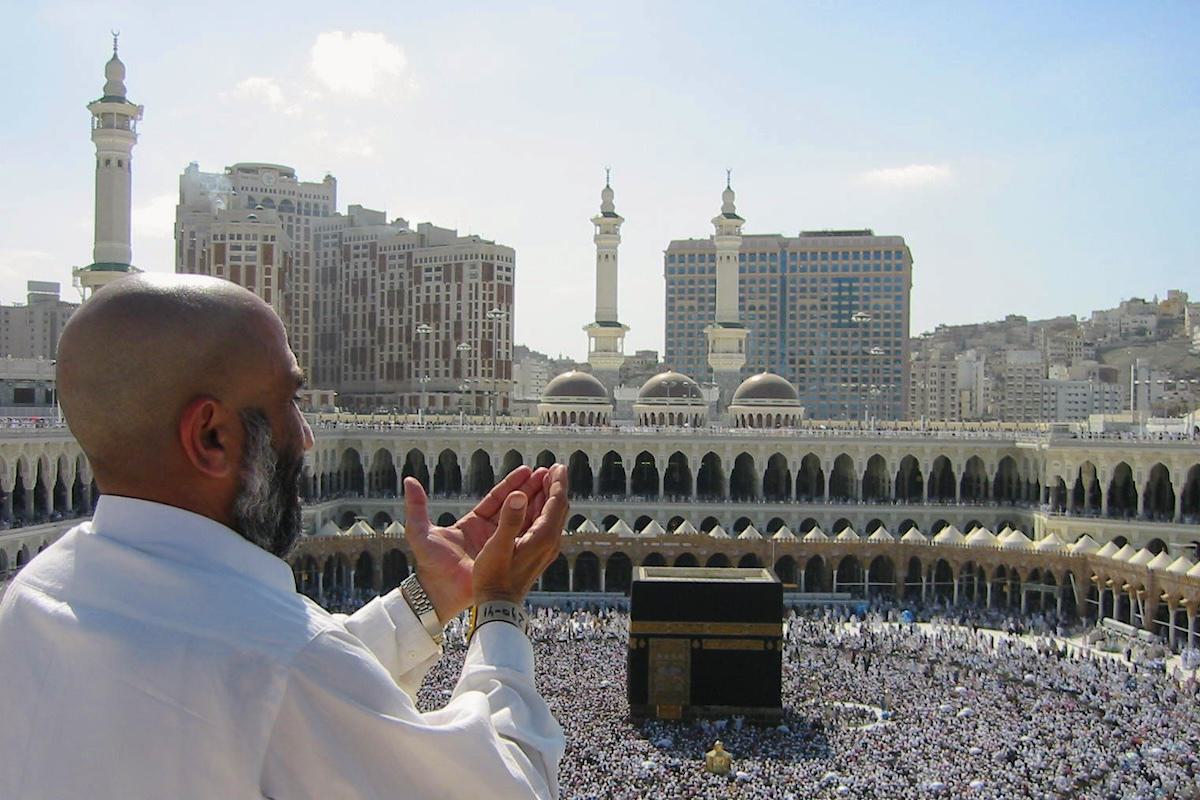
POLICY WIRE — Riyadh, Saudi Arabia — Every year, the faithful trek towards Mecca. Not just a journey of devotion, but a modern marvel of logistics, funneling millions through deserts and cityscapes to fulfill a spiritual obligation. But there’s a new, insidious pilgrim tagging along—a silent, suffocating adversary that infrastructure can’t quite outwit: the scorching Middle Eastern sun, supercharged by a warming planet.
It’s no longer just about managing crowds; it’s about surviving the very air. The annual Hajj, one of the world’s largest annual gatherings, is turning into an increasingly high-stakes game against thermodynamics. For countless pilgrims, particularly those from less temperate climes, this isn’t merely an inconvenience. It’s an existential threat to a life’s ambition—sometimes, to life itself.
Because while the Kaaba stands eternal, the climate around it decidedly isn’t. The Saudi kingdom, flush with oil revenues, has poured billions into infrastructure. Think air-conditioned tents, vast cooling mists, countless water points. It’s an astounding engineering feat designed to make the desert pilgrimage bearable, even in July. But sometimes, even engineering hits its limits—or perhaps, it’s just plain out of its depth.
And those limits are being tested. Data indicates that average temperatures in Mecca have risen by approximately 0.4 degrees Celsius per decade since the 1970s, with summer peaks regularly hitting above 45 degrees Celsius (113 Fahrenheit). That’s not just hot; that’s physiologically punishing for people—many of them elderly or infirm—engaged in physically demanding rituals like the *tawaf* (circling the Kaaba) or the journey to Mount Arafat. Heatstroke, dehydration, and exhaustion aren’t abstract medical terms here; they’re very real, very present dangers that claimed hundreds of lives in recent Hajj seasons, despite all precautions.
Saudi officials, understandably, walk a tightrope. They’ve got to uphold their sacred role as custodians of Islam’s holiest sites while managing a phenomenon that defies simple earthly solutions. “We invest every resource, every modern innovation, to ensure the comfort and safety of God’s guests,” asserted Dr. Tawfiq Al-Rabiah, Saudi Minister of Hajj — and Umrah, in a recent interview. He then added, a slight crease in his brow, “But the conditions are increasingly challenging, even for the young and robust.”
For nations across the Muslim world, especially populous ones like Pakistan, sending their citizens on Hajj is both a matter of religious duty and a complex logistical exercise. Millions save their entire lives for this journey. Pakistani officials frequently voice concerns about their pilgrims’ well-being in the face of escalating heat. “Our people spend their life’s earnings, sacrifice everything for this pilgrimage,” noted Ambassador Muhammad Sarwar, Pakistan’s Permanent Representative to the OIC, in a recent diplomatic meeting. “We expect and hope for stronger measures—not just reactive, but truly preventive. The world can’t ignore the impact of climate change, not even on our faith journeys.”
But the real rub is this: many pilgrims from South Asia—Pakistan, India, Bangladesh—come from families who’ve scrimped for years, traveling on tighter budgets, often with less preparation for the extreme conditions. Their remittances to Mecca fuel local economies, their faith defines entire communities back home. A more dangerous Hajj isn’t just a Saudi problem; it’s a burden shared by the world’s largest Muslim populations, hitting those least able to cope with the economic and physical fallout.
What This Means
This escalating environmental challenge directly impacts Saudi Arabia’s diplomatic standing and soft power within the Muslim world. The Kingdom’s legitimacy is intrinsically tied to its stewardship of Mecca — and Medina. Should heat-related tragedies continue to mount, it risks tarnishing this image, inviting uncomfortable questions from partner nations and potentially sparking internal dissent among pilgrims and scholars.
Economically, it poses a quandary. The Hajj — and Umrah pilgrimages are significant non-oil revenue streams for Saudi Arabia. Making the Hajj safer might necessitate even grander, costlier interventions, potentially driving up costs for pilgrims already stretching their budgets. This could ironically limit access for precisely the low-income faithful who struggle most with the heat.
From a broader geopolitical perspective, these climate-induced pressures highlight the interconnectedness of global challenges. The carbon emissions contributing to Mecca’s rising temperatures often originate far beyond Saudi borders. The inability to fully mitigate the heat’s impact becomes a shared humanitarian and spiritual crisis, underscoring that global problems, like climate change, don’t respect political boundaries or religious obligations. These aren’t just local weather anomalies; they’re part of a wider pattern that demands a collective global response, much like Europe’s intricate geopolitical maneuvers often demand international cooperation.
So, the pilgrimage continues. The faithful will keep coming. But the terms are shifting, brutally. The age-old ritual, once defined by devotion and endurance, now has an increasingly perilous, and decidedly modern, dimension. The spiritual journey, it seems, has to contend with scientific realities, whether anyone likes it or not. And this challenge? It’s only getting warmer.