

Leonid Meteor Shower: Fast Celestial Display to Hit UK Skies This Weekend
Witness the fast Leonid meteor shower this November. Expect up to 15 meteors per hour during the peak. Check viewing tips.

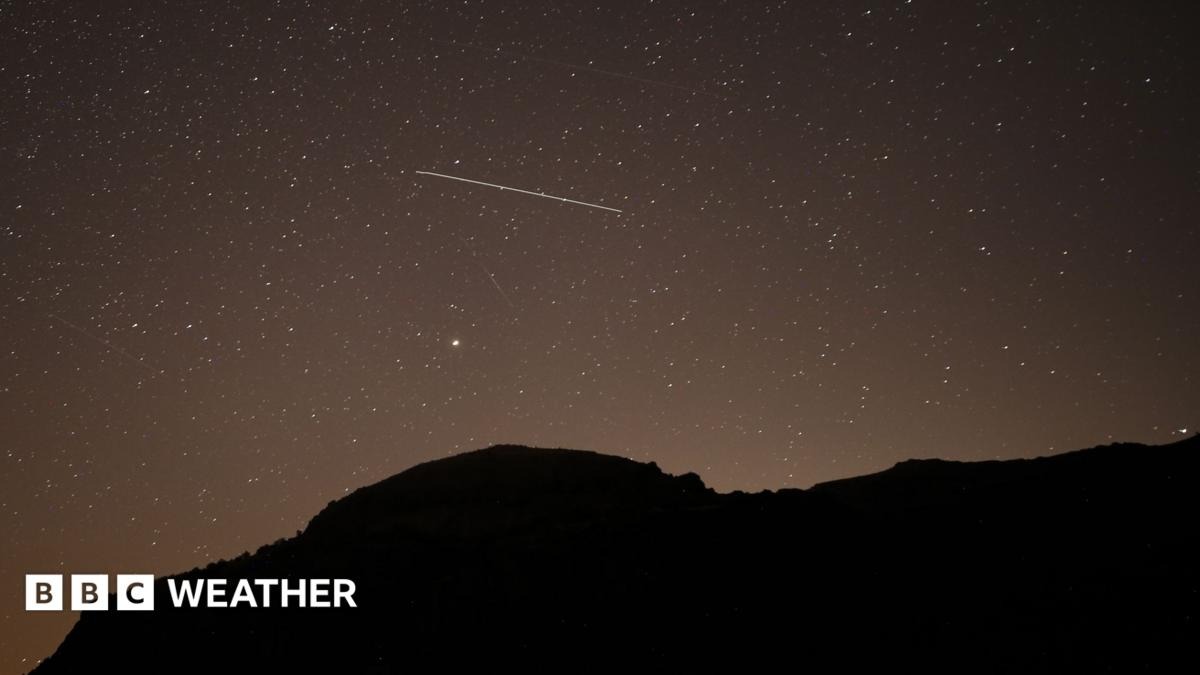
POLICY WIRE — London, UK — The Leonid meteor shower is expected to provide a spectacular display for observers across the UK throughout the remainder of November.
This astronomical event is scheduled to run from now through 30 November, with the most intense activity occurring on the night of 17 November.
Observers may be able to witness between 10 and 15 meteors every hour during the peak period.
The shower originates from a trail of debris left by Comet 55P/Tempel-Tuttle as it orbits the Sun.
These particles collide with Earth’s atmosphere at speeds reaching up to 44 miles per second (71km), making them the fastest meteors visible in the night sky.
Experts recommend seeking out dark areas far removed from light pollution, such as street lamps, for the best visibility.
The meteors are visible to the naked eye, meaning the use of telescopes or binoculars is unnecessary.
To maximize the viewing chances, observers should allow their eyes roughly 20 to 30 minutes to adjust to the darkness.
Finding a wide-open space is ideal to ensure an unobstructed view of the celestial dome.
While meteors can appear anywhere in the sky, the radiant—the point from which they originate—is located near the constellation Leo, making that region the primary area to watch.
Clear weather conditions remain a critical requirement for successfully viewing the event.
The weather forecast for the upcoming weekend presents challenges for those hoping to see the start of the shower.
Although many regions will remain dry, heavy cloud cover is anticipated in several areas, accompanied by possibilities of drizzle or rain.
Currently, the best prospects for clear skies are in Wales and southern and western England on Friday and Saturday nights, while northern England, Scotland, and Northern Ireland may face more cloudiness.
By Sunday night, more regions of the UK are likely to experience clearer conditions.
However, fog may pose an obstacle in areas where skies stay clear, potentially blocking the line of sight.
Overnight temperatures are expected to fall into the single digits, with frost possible in some locations, requiring stargazers to dress warmly.
Public can monitor hour-by-hour updates on clouds, fog, and temperature via the BBC Weather website or application.
Those who miss this weekend’s activity may find better viewing conditions during the mid-November peak.
During that peak, the moon will be below the horizon at midnight, preventing its light from interfering with the view.
Reporting by Policy-Wire (PW)