

Journey to Oblivion: Ukraine’s Frontline Logistics a Silent Killer
POLICY WIRE — Kyiv, Ukraine — Forget the dramatic dash through enemy lines, the swift infiltration under cover of darkness. For many Ukrainian soldiers, the true horror—the insidious, draining...

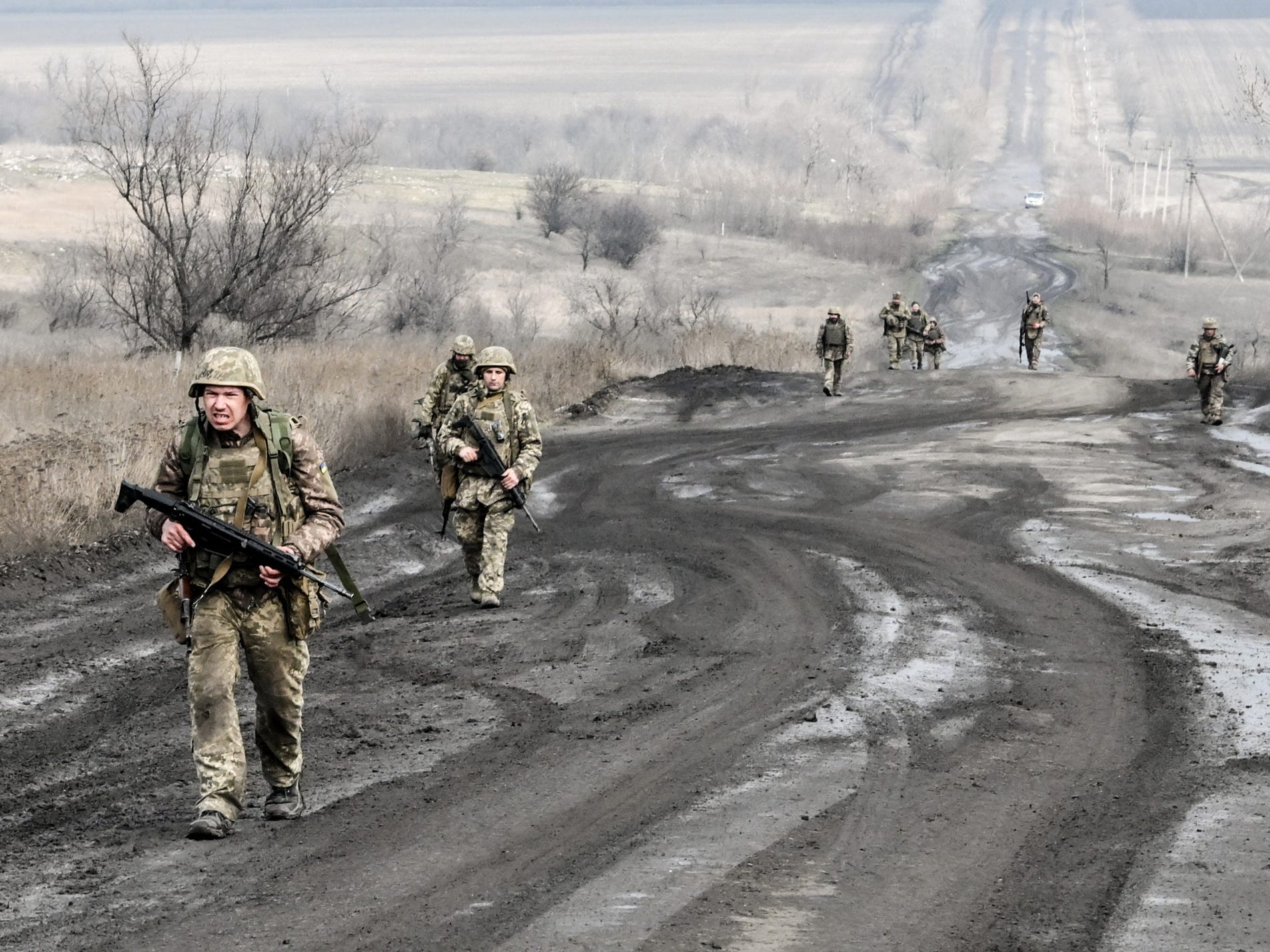
POLICY WIRE — Kyiv, Ukraine — Forget the dramatic dash through enemy lines, the swift infiltration under cover of darkness. For many Ukrainian soldiers, the true horror—the insidious, draining reality—begins not with the crackle of a first volley, but with the weary slog, the interminable crawl to their supposed fighting berths. They’re spending days, literally days, navigating battered roads and shelled landscapes, all just to reach positions already steeped in danger. And that journey, oddly enough, has become its own special kind of death trap.
It isn’t glorious, no. There’s no epic poetry written about enduring hours cramped in a rickety vehicle, waiting out shelling on a cratered track, or picking a path through improvised minefields on foot. But this tedious transit, this losing of whole calendar pages just getting to the so-called front line, exposes a chilling, grinding reality of modern warfare. It’s when they’re most at risk, often far from direct combat, yet terribly vulnerable. (Awaiting official quote)
Logistical challenges aren’t new to any war. Yet, in Ukraine, these challenges morph into active threats. Russia’s constant barrage doesn’t discriminate much between a firing position — and a supply convoy or troop carrier. Drone surveillance, cheap — and ubiquitous, has turned even seemingly innocuous movements into a high-stakes gamble. Ukrainian forces can’t just roll up; they crawl, they hide, they reroute constantly, each diversion adding hours—or days—to a journey already stretched thin by attrition and desperate supply lines. One official, speaking anonymously due to security concerns, shared that units sometimes spend as much as 48 hours moving just a few dozen kilometers through contested terrain. You don’t have to be a tactical genius to understand that tired, hungry soldiers arriving late are not soldiers at their best.
And because the adversary keeps hitting those routes, keeps cratering them, keeps mining them, it becomes this vicious cycle. Western arms might eventually get to the artillery crews, but getting the men to the guns, getting the men *through* the supply lines to their posts – that’s a whole different ballgame. You know, you hear about grand strategies and billions in aid, but then you get down to the muddy tracks, and it’s just individual guys trying not to get hit by an FPV drone while changing a flat tire. It’s utterly grueling, psychologically — and physically.
It’s not just the direct attacks. Imagine the wear and tear. Imagine the sheer mental fatigue. You haven’t even seen the enemy’s face, haven’t fired a single shot, — and you’re already operating at a deficit. Casualties happen here too, often silently, far from the cameras, from unseen artillery strikes or improvised explosive devices left on routes soldiers are forced to take. A recent report from the Stockholm International Peace Research Institute (SIPRI) highlighted that global military spending reached an all-time high of $2.443 trillion in 2023, yet a significant portion of this immense outlay grapples with basic logistics in theatre. That’s a huge, frankly embarrassing, disconnect.
But the impact isn’t confined to Ukrainian mud. When Western powers channel arms and aid, this operational bottleneck directly influences how effectively those resources translate into battlefield success. It’s not just a matter of shipping hardware; it’s about making sure the personnel arrive intact — and able to use it. This persistent logistical agony then reverberates globally. Nations like Pakistan, navigating their own complex geopolitical landscape with porous borders and mountainous regions susceptible to insurgencies, observe these failures closely. The challenges of sustaining remote outposts or deploying rapid response teams across difficult terrain—whether against extremists or during natural disasters—share disturbing parallels with Ukraine’s struggles to simply get its troops where they need to be, alive and operational. They’re surely studying these bottlenecks.
There’s also a grim echo here for regional security, from the Caucasus to Central Asia, where Russia’s attention is—for now—mostly fixated elsewhere. But a long, grinding war where simple movement is lethal sets a nasty precedent for any future conflict. And frankly, for an alliance to commit so much and then watch it get swallowed by transit difficulties feels like a missed opportunity to rethink operational realities from the ground up.
What This Means
This agonizing journey to the front isn’t merely an operational hiccup; it’s a stark geopolitical problem. For Ukraine, it drains morale, consumes already scarce resources—fuel, spare parts, medical supplies—and inflates casualty numbers even before contact with the primary enemy. It extends the timeline of conflict, forcing Kyiv to commit more manpower to simply maintain positions rather than conducting offensive maneuvers. That’s got serious economic ramifications too; the longer the war drags, the heavier the burden on global economies and supply chains, further disrupting everything from energy markets to grain exports that directly impact populations from the Maghreb to Southeast Asia. We’ve already seen how geopolitical tremors echo far and wide, influencing, for instance, US-India partnerships or forcing nations to reassess alliances. The prolonged war also strains the capacities of Western backers, testing their political will and financial resilience. It puts immense pressure on industrial defense bases to produce equipment faster, which itself has its own logistical nightmares to solve. The logistical struggle in Ukraine highlights how even modern warfare remains fundamentally about mundane, brutal realities on the ground, and that these can have profound, systemic impacts far beyond the trenches.