

Inferno’s Echo: New Mexico Burns, A Planet’s Arid Future Foreshadowed
POLICY WIRE — Capitan Mountains, N.M. — Sometimes, to save a landscape, you must first set it alight. That’s the cold, calculated paradox unfolding in New Mexico’s Capitan Mountains, where a...

POLICY WIRE — Capitan Mountains, N.M. — Sometimes, to save a landscape, you must first set it alight. That’s the cold, calculated paradox unfolding in New Mexico’s Capitan Mountains, where a tactical fire fights an untamed one. It’s an exercise in controlled destruction, a grim chess match played with wind, fuel, and human ingenuity against nature’s raw fury. Not exactly a typical Tuesday for those hoping for a quiet summer, is it?
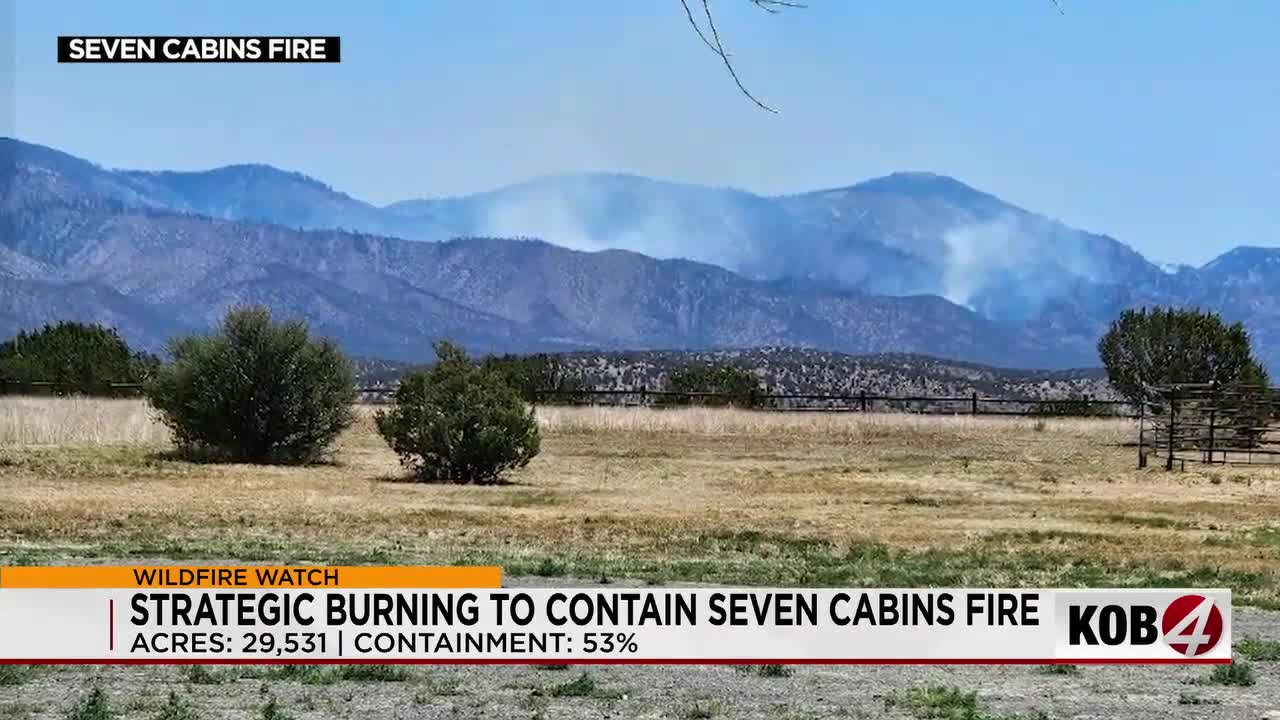
The scent of pine needles — and burnt earth hangs heavy, miles away from the frontline. And out there, amidst the pinyon — and juniper, the Seven Cabins Fire stubbornly holds court. It’s already scorched a formidable nearly 30,000 acres, an area larger than many small towns could comfortably house. For weeks, responders have been throwing everything they’ve at it—sweat, strategy, and now, even more fire. This isn’t just about putting out flames; it’s about reshaping the battlefield. [QUOTE_PLACEHOLDER]
Crews on the ground are essentially making a harsh choice, opting for surgical burns to create breaks, to starve the larger blaze. Policy, you see, dictates that sometimes you have to burn the very ground you’re trying to protect to stand a fighting chance. They say, specifically, that «crews are burning land around the Seven Cabins Fire as they try to slow its spread across nearly 30,000 acres.» It’s an admission, really, of how desperate the situation gets, how few clean options remain when something of this scale kicks off. They’ve found themselves relying on an age-old, rather blunt instrument against a sophisticated, ever-adapting opponent.
But the calculus goes beyond immediate containment. The land itself, once scorched by wildfire, becomes vulnerable. Rain—often seen as a savior in these scenarios—can then unleash catastrophic flash floods. It’s a vicious cycle. And so, the tactical burns aren’t just for current fire management; they’re a preemptive strike against the next disaster. Firefighters articulated this with clinical precision, noting a «low-intensity fire would reduce the complexity of the fire perimeter and allow them to to reduce the risk of flash flooding.» A delicate dance, ensuring one problem isn’t simply traded for another, equally devastating one. Expect more smoke, they’ve warned—a necessary evil, you might say—a curtain call for a difficult strategy.
The battle for containment wears on, a slow, methodical grind under relentless Western skies. Reports circulating via sources like KOB.com indicated the Seven Cabins Fire had reached 53% containment this week. A half-full glass, perhaps, but a glass still very much within reach of tipping over. It represents progress, yes, but also implies nearly half of that enormous acreage remains actively, dangerously wild. One can almost hear the sighs of weary crews when the local forecast occasionally whispers of rain—that perennial hope, often fickle and fleeting, yet always, always yearned for on the front lines.
Consider, for a moment, the broader context of such relentless, expansive blazes. New Mexico isn’t unique; it’s a mirror. Around the globe, regions already strained by poverty or geopolitical instability face amplified threats from a shifting climate. Countries in South Asia, for instance, particularly Pakistan, know this story all too well. While their challenges often manifest as devastating floods—a cruel inverse of the arid conditions here—the underlying cause, the increasing erraticism of weather patterns, remains painfully consistent. They’ve dealt with unprecedented heatwaves, followed by floods displacing millions, struggling with the dual burden of adaptation and economic recovery in ways that make New Mexico’s challenges, though severe, feel comparatively well-resourced. The scale of human suffering from climate events there puts our domestic woes in stark, often uncomfortable, perspective.
It’s all about resource allocation, isn’t it? Wealthier nations and states deploy fleets of aircraft and hundreds of trained personnel; others, like parts of rural Pakistan, face such environmental onslaughts with comparatively rudimentary means, reliant on sheer grit and international aid that’s never quite enough. It’s a sobering thought that the fight in the Capitan Mountains, while geographically isolated, has policy and budgetary echoes that reverberate globally. You’re not just fighting a fire; you’re battling the budget, public perception, and the increasingly inconvenient truth that the ‘once-in-a-century’ event is now, well, Tuesday.
What This Means
This localized wildfire, and the nuanced strategy of fighting fire with fire, speaks volumes about the policy tightrope that governments walk in an era of escalating climate disruption. The fact that crews must deliberately ignite land to prevent worse outcomes points to a reactive, rather than truly proactive, approach to environmental management—one necessitated by scale but economically punishing. Funding for wildfire suppression, for preventative measures, and crucially, for long-term climate resilience, always becomes a political football. We’re seeing resources poured into crisis response, often to the detriment of mitigation efforts that could reduce the severity of such crises down the line. It’s the economic equivalent of constantly patching a leaking roof instead of replacing it, all while knowing the next storm is just around the bend. The brutal economics of these situations don’t just impact local economies through property damage and lost tourism; they drain state and federal coffers, redirecting funds from education, healthcare, or infrastructure, creating a compounding cycle of underinvestment. this dynamic underscores the global imbalance in dealing with climate impacts, as wealthier nations grappling with wildfires simultaneously witness humanitarian crises unfold in regions like South Asia from similar, yet differently manifested, climate change phenomena, intensifying the calls for climate justice and aid as examined in broader resource allocation debates impacting global energy markets and beyond. You can even draw parallels between these challenges and the global struggles over energy resources, where every gallon of fuel, every unit of power, plays a role in the climate equation.
We’re forced to contend with an environment that’s increasingly unpredictable, and a bureaucracy that, bless its heart, tries to manage it all within often outdated frameworks. It’s a high-stakes poker game, where Mother Nature always seems to hold the better hand. And sometimes, you know, we’re left hoping for a bit of rain to bail us out—a rather thin strategy for such a grand and pressing challenge.