

India’s Censor Scissors: Bollywood’s Battlefields Disappear Amid Beijing Thaw
POLICY WIRE — NEW DELHI, India — The cinematic battlefields are going quiet. India’s boisterous, often chest-thumping film industry, typically quick to capitalize on national sentiment, finds itself...

POLICY WIRE — NEW DELHI, India — The cinematic battlefields are going quiet. India’s boisterous, often chest-thumping film industry, typically quick to capitalize on national sentiment, finds itself navigating a surprisingly subtle, yet undeniably firm, red line. Stories once destined to lionize troops and demonize adversaries are suddenly getting a swift rewrite—or, in many cases, disappearing altogether. It’s not just a change in plot; it’s a palpable shift in New Delhi’s approach to Beijing, filtered through the delicate lens of commercial entertainment.
Filmmakers, usually eager to exploit geopolitical tensions for box-office gold, tell of whispered official warnings. The message, clear as day even if unwritten: enough with the “China-bashing.” Projects inspired by the bloody 2020 Galwan Valley clashes, which saw casualties on both sides and dramatically soured bilateral ties, are now undergoing an unceremonious transformation. We’re talking title changes, script overhauls, even complete shelving. It’s like watching a blockbuster mid-production suddenly turn into a meditative art-house flick about cross-cultural understanding. (You can practically hear the collective groan of marketing teams.)
Take the case of Bollywood heavyweight Salman Khan. His war drama, originally dubbed Battle of Galwan—a title that left absolutely no room for misinterpretation, did it?—has reportedly become Maatrubhumi: May War Rest in Peace. And that’s not just a poetic rename; it’s necessitated significant reshoots. Because when diplomacy shifts gears, art, it seems, has to change its tune too. Another ambitious venture, The Lion of Galwan, well, it’s gone into the tall grass. Might resurface someday, maybe as a rom-com, who knows? This isn’t about artistic integrity; it’s about strategic expediency. Or maybe, it’s simply about keeping powerful neighbors from getting agitated. It’s messy.
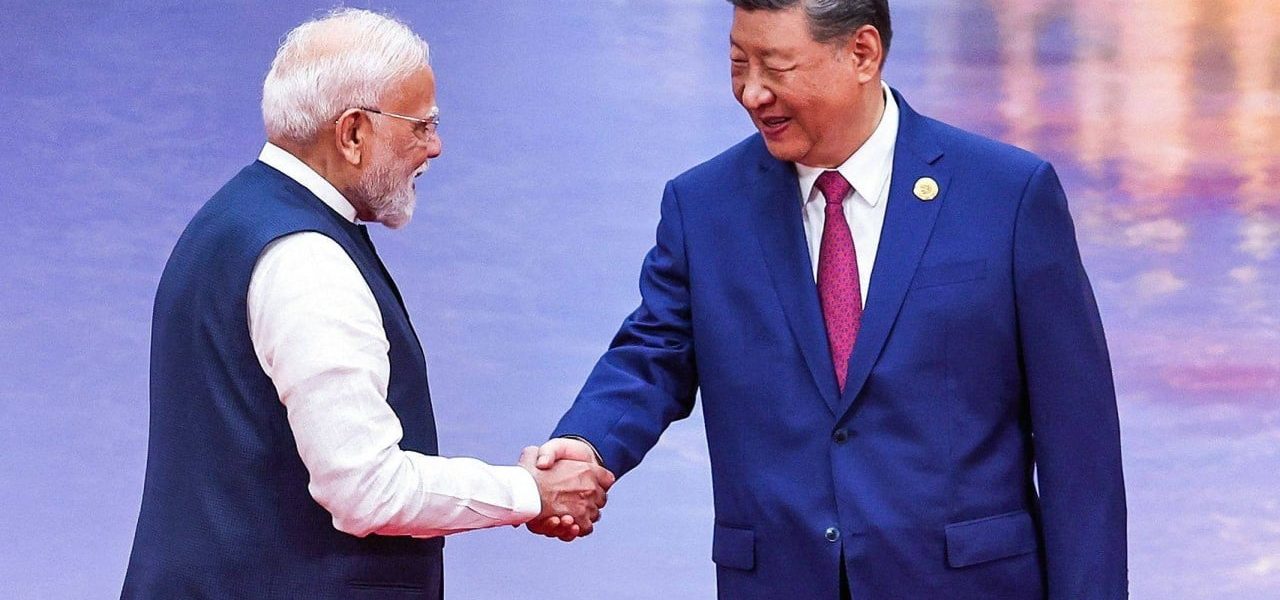
But this isn’t an arbitrary whim from some obscure bureaucratic desk jockey. It’s an executive-level play, a calculated adjustment in India’s foreign policy compass. Relations between the two Asian giants have been on a roller-coaster for years. There’s been a discernible effort to dial down the public acrimony, particularly since top-level dialogues have seen an uptick. This artistic throttling reflects a pragmatic need to keep things chill. And it showcases how soft power—or its calculated restraint—becomes a tool in the hands of statecraft. But how effective is it when everyone knows the real story? When the past clashes aren’t forgotten, just censored from public view?
Anurag Srivastava, a seasoned diplomat formerly with India’s Ministry of External Affairs, reportedly said of the shift, “Our foreign policy is crafted with a long view, balancing national interests with regional stability. Allowing popular media to dictate sensitive international discourse simply isn’t prudent. Sometimes, a quiet recalibration is far more effective than public posturing.” And he’s not wrong, not from the diplomatic playbook, anyway. It’s the silent machinery at work.
But what does this mean for those behind the camera? Renowned Mumbai producer Ravi Kapoor, known for his edgy, patriotic narratives, seemed resigned. “Look, we make films for an audience, yes, but also within the environment we operate in,” Kapoor told Policy Wire. “When the winds change direction in Delhi, you either adjust your sails or you capsize. We’ve always known which side our bread’s buttered on; it’s just sometimes you get a heads-up, sometimes you just… feel it.”
📄 POLICY WIRE WHITEPAPER PUBLISHED: PAKISTAN'S NATIONAL SECURITY POLICY PRIORITIES
👉 READ BY CLICKING HEREThis episode also has distinct echoes across India’s neighborhood. In Pakistan, a long-standing ally of China, India’s sudden artistic self-censorship won’t go unnoticed. They’re observing how New Delhi manages its dual mandate: projecting strength while quietly de-escalating tensions. This balancing act might give Pakistan some strategic food for thought, possibly informing its own interactions with regional powers. It’s a delicate dance, always watched. And for India, navigating these turbulent waters while maintaining a carefully crafted image—it’s tricky, very tricky. The implications for creative freedom in an increasingly nationalistic India are clear.
What This Means
This isn’t merely about some movie producers crying foul; it’s a stark reflection of India’s current foreign policy dilemma. On one hand, New Delhi is actively wooing Western allies like the U.S. and Europe, framing itself as a bulwark against Chinese expansionism. But, — and this is the kicker, India also can’t afford to completely alienate its powerful northern neighbor. The economic stakes are just too high. Bilateral trade between India and China actually grew to an unprecedented $136.2 billion in 2022, according to data from China’s General Administration of Customs, despite all the political squabbling and border clashes. That’s a pretty massive number to ignore, isn’t it? Because despite the rhetoric, both nations remain inextricably linked commercially. This quiet media guidance serves to de-hyphenate rhetoric from reality, creating space for crucial—and often unglamorous—diplomacy away from public jingoism.
The government’s heavy hand on Bollywood also signals an increasing assertiveness in shaping public narratives, even at the cost of creative expression. It’s a calculated gamble that preserving diplomatic inroads with China is more important than catering to domestic calls for overtly aggressive anti-China content. It could also suggest a burgeoning realism within the establishment; that constant provocations, even in film, serve little purpose other than to ratchet up tensions that New Delhi currently seeks to manage, not inflame. This isn’t just about movies, it’s about controlling the temperature of an incredibly complex, and strategically vital, relationship. No lead, whether diplomatic or artistic, is truly safe.