
Iconic Marie Biscuit Maker Lee Biscuits Closes Johor Factory After 92 Years
Lee Biscuits is shutting its Pontian factory after 92 years as the company pivots to focus on rubber and palm oil assets. Learn about the brand's history.

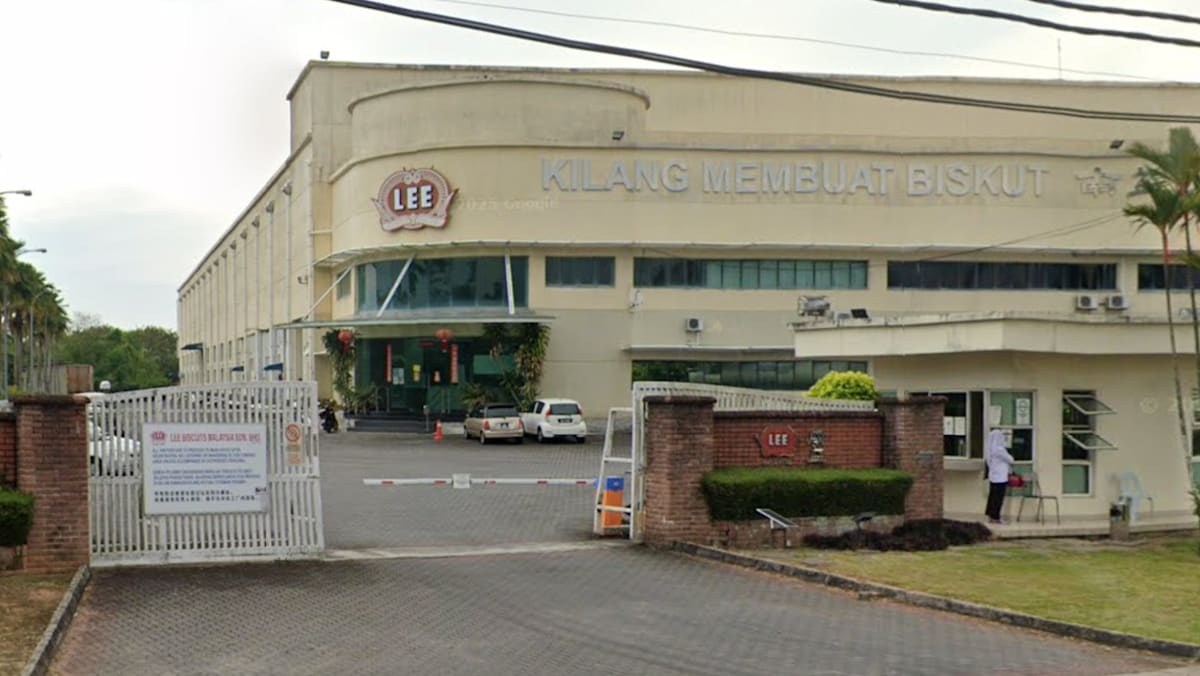
POLICY WIRE — Johor, Malaysia — The historic biscuit manufacturer Lee Biscuits is set to permanently close its production facility in Pontian, Johor, by the end of October. This move marks the end of a 92-year legacy for the brand, which has been a staple in the snack industry.
According to reports from the New Straits Times, the shutdown is a strategic restructuring effort by the parent group. The company intends to exit the snack manufacturing sector entirely to consolidate its resources toward core business interests, specifically in the rubber and palm oil industries.
Notices regarding the production halt were distributed to customers and suppliers last month. The closure will also result in the termination of the factory’s workforce.
The China Press reported that approximately 300 staff members remain on-site through the end of October. These employees are primarily tasked with facility cleaning and final operational duties.
Senior management confirmed to the China Press on Thursday that the company successfully cleared its remaining biscuit inventory through a series of warehouse sales held over the previous two weeks. Following the cessation of operations, the company’s official website and social media channels have been taken offline.
Founded by the prominent businessman and philanthropist Lee Kong Chian, the brand gained fame for its Marie biscuits, saltine crackers, lemon sandwich biscuits, and iced gem biscuits. The company originally started in Singapore before relocating production to Tampoi, Johor Bahru, in 1995, and eventually moving to its Pontian site in 2005.
This transition follows a similar strategic shift in 2023, when the group shuttered a long-standing pineapple canning plant in Skudai to prioritize oil palm cultivation. That closure garnered significant public interest, with large crowds gathering to purchase the company’s remaining pineapple water.
Reporting by Policy-Wire (PW)