


Iceland Resumes Whaling Operations Amidst Vigorous Protest
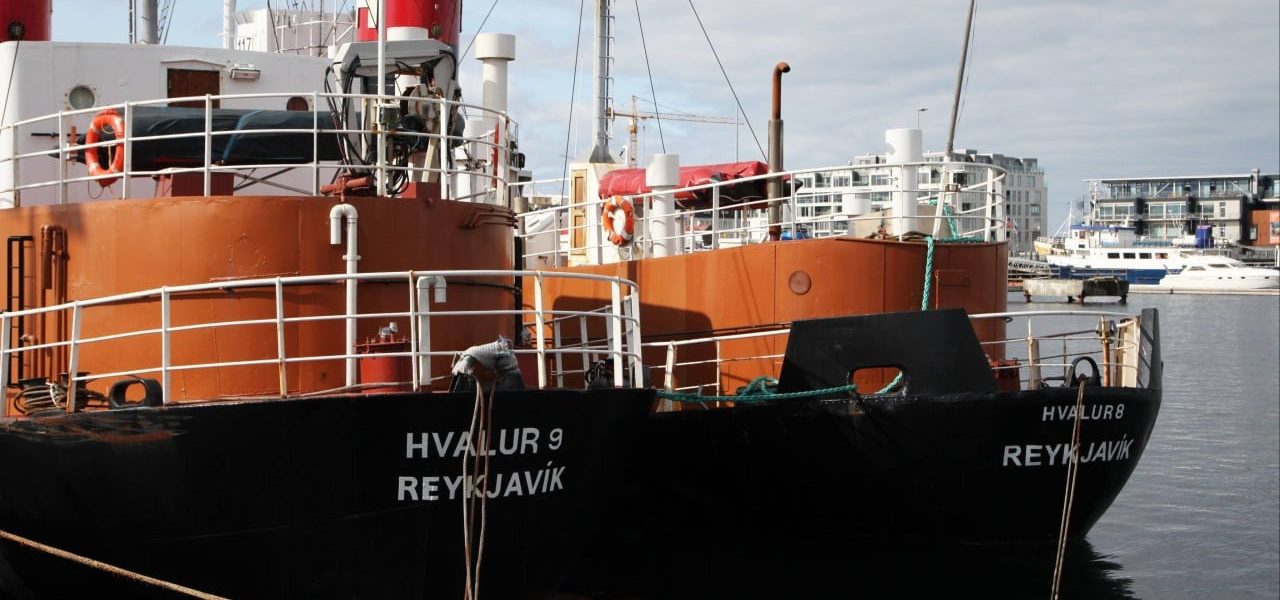
POLICY WIRE — Reykjavík, Iceland — The docks of Reykjavík buzzed with renewed contention this week as one of Iceland’s two operational whaling ships embarked on...

POLICY WIRE — Reykjavík, Iceland — The docks of Reykjavík buzzed with renewed contention this week as one of Iceland’s two operational whaling ships embarked on its hunt for the ocean’s giant mammals. This marks a contentious resumption of activities following a two-year hiatus, a move that immediately drew the ire of environmental activists. (Reporting based on original wire copy)
The ship’s departure on Friday from the Icelandic capital was met by a determined protester who, in a striking display of dissent, chained himself to the vessel’s mast. Local media and campaigners reported on Saturday that the individual eventually dismounted in the evening, after which he was escorted away. This act underscores the deep-seated opposition that often accompanies whaling operations in the modern era.
Iceland remains one of a distinct trio of nations that continue to sanction whaling, standing alongside Norway and Japan. This continuation persists despite persistent international opprobrium, voiced broadly by the public and vehemently by animal welfare organizations globally. The decision to send ships back to sea reignites a long-standing debate concerning conservation efforts versus sovereign resource management.
The return to whaling after a significant break highlights the intricate balance — or often, imbalance — between economic interests, cultural tradition, and global conservation ethics. The pressure on these nations from environmental groups and a largely disapproving international community has been immense, yet it hasn’t universally swayed their policy decisions. The two-year pause may have offered a temporary reprieve, but the current restart signals a determination to uphold the practice.
For activists, each sailing represents a step backward in the fight for marine life protection. The symbolic act of a protester attempting to obstruct a ship’s departure encapsulates the broader sentiment of many who view whaling as an outdated and cruel practice. Their resolve against commercial whaling is unlikely to wane, promising continued monitoring and protest of these operations.
What This Means
The recommencement of Iceland’s whaling season, however limited to one of its two remaining vessels, signals a commitment to a controversial practice despite consistent international pressure. This action reinforces Iceland’s position among a small group of nations willing to defy widespread condemnation from animal welfare organizations and the general public. While the economic scale of whaling is often a point of contention, the political and diplomatic ramifications of continuing the hunt are significant.
This decision might further isolate Iceland on this particular issue within global conservation dialogues. It poses an open question about the efficacy of international soft power in influencing national resource policies when economic and cultural justifications are strongly held. For advocates of marine conservation, it underscores the ongoing need for direct action and sustained advocacy against practices deemed harmful to endangered or vulnerable species, even as the world grapples with broader ecological crises.