


Hollywood Hustle Shakes L.A. Politics: Pratt’s Maverick Ascent Rattles Mayoral Race
POLICY WIRE — Los Angeles, USA — One could practically hear the collective clinking of latte cups—and perhaps a few broken reality TV champagne flutes—across West Hollywood. Los Angeles, a city that...

POLICY WIRE — Los Angeles, USA — One could practically hear the collective clinking of latte cups—and perhaps a few broken reality TV champagne flutes—across West Hollywood. Los Angeles, a city that fancies itself the future’s vanguard, is grappling with a past many wished had remained confined to early 2000s cable. Spencer Pratt, the architect of a particular brand of televised chaos, isn’t just making noise; he’s now, inexplicably, a legitimate contender for the city’s top job. It’s not a joke. For long-time observers of American municipal politics, it’s a perplexing narrative twist that leaves plenty of seasoned strategists scratching their heads, murmuring about civic decay.
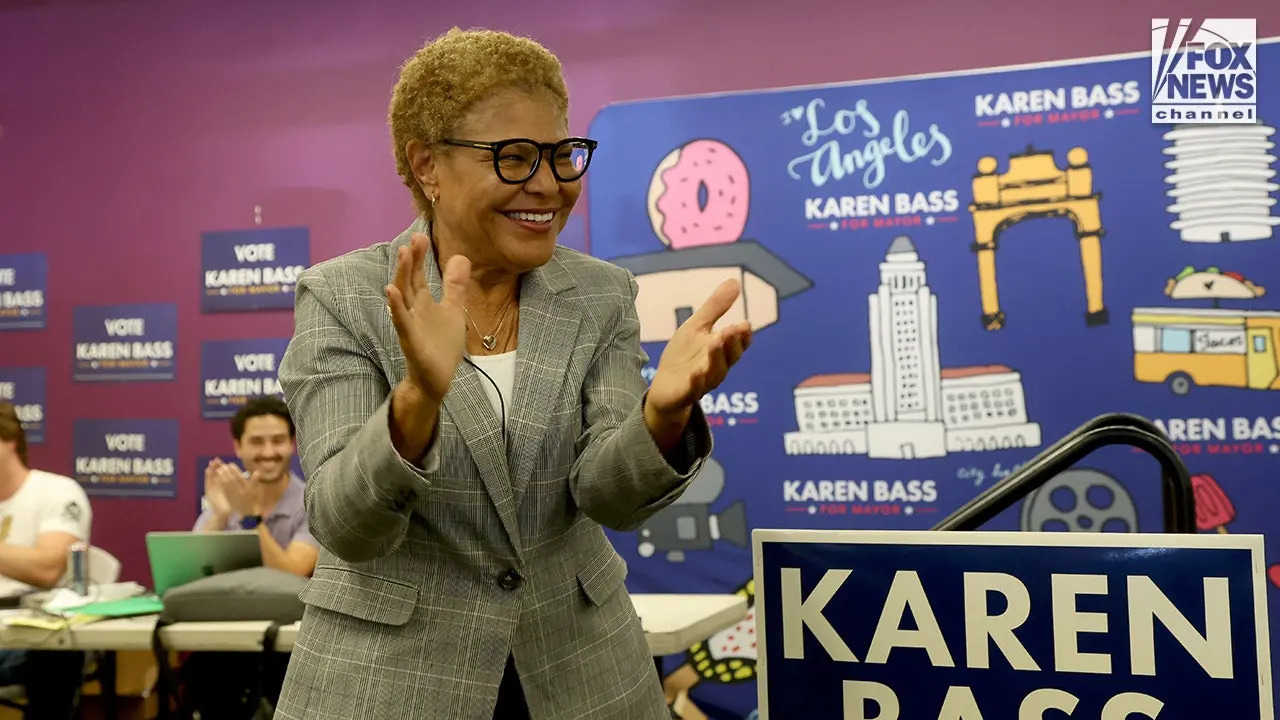
But this isn’t simply a tale of a celebrity endorsement gone wild. No, this reflects a deeper, more acidic strain of frustration simmering beneath the surface of the Golden State’s crown jewel. Karen Bass, the incumbent, a figure often painted as the epitome of established progressive leadership, has found herself suddenly vulnerable. Her campaign, designed for a more traditional political joust, seems ill-equipped to parry the unconventional blows from a candidate whose primary credential used to be —let’s face it— orchestrating drama for the cameras. It’s a rude awakening, a slap in the face from an electorate that just doesn’t seem to be listening anymore.
And so, we watch, as a man whose public persona once involved feuding over friendship bracelets is now locked in a surprisingly tight race for City Hall. This isn’t just about Spencer Pratt or Karen Bass. It’s a broader, more unnerving indicator of an electorate desperately searching for an alternative, however improbable that alternative might seem on paper. Many are calling it a clear message, a loud rebuke to what they perceive as political business-as-usual. It isn’t a measured debate; it’s a gut punch, pure — and simple.
The incumbent’s team, a formidable political machine, has clearly underestimated the depth of this public discontent. You know, the kind of public discontent that manifests as throwing a wrench into what was supposed to be a smooth re-election bid. The buzz suggests Bass’s strategists initially dismissed Pratt’s campaign as a novelty act, nothing more. A quick check of polling data, however, reveals a starker reality. One recent independent survey, conducted by the Institute for Government Studies at the University of California, Berkeley, indicates Bass’s approval rating among registered voters dipped below 50% for the first time this quarter—a statistic that provides little comfort for the front-runner. That kind of erosion just doesn’t happen without reason.
Pratt’s populist message, whatever its precise contours (they can shift, can’t they?), has tapped into something raw. It’s the same anti-establishment fervor that’s been seen rippling through political landscapes from Brexit-era Britain to Pakistan’s surprisingly robust youth-led movements. Disaffection, it seems, travels well. Voters aren’t looking for traditional rhetoric; they’re looking for someone—anyone—who embodies a departure from the perceived failures of conventional governance. For a candidate like Pratt, authenticity—even if it’s manufactured on reality television—can ironically appear more genuine than carefully focus-grouped policy papers. People just wanna hear it straight, even if that straight talk is [QUOTE_PLACEHOLDER] in substance. The public craves an outsider, whether that outsider built a media empire or merely survived on one. It’s the common denominator in modern politics, from Washington to Islamabad, where younger demographics increasingly vote for figures promising dramatic rupture with the past, no matter how unconventional their platforms. These dynamics aren’t isolated incidents, either; they’re symptomatic of a wider political malaise.
Because let’s be honest, Angelenos have their gripes. Homelessness, crime, the spiraling cost of living—these are not minor irritants. They’re systemic failures that, in the minds of many voters, haven’t been adequately addressed by current leadership. Pratt’s campaign, whatever its policy specifics, acts as a vessel for that anger. His relative inexperience, traditionally a liability, somehow becomes a twisted asset. He’s not stained by the perceived failings of City Hall because, well, he hasn’t been in City Hall. It’s simple arithmetic, isn’t it?
And so, a runoff seems not just plausible but increasingly likely. Bass, once cruising toward another term, now finds herself battling an adversary few anticipated. It’s less a political contest and more a cultural flashpoint—a collision of old guard power with new media notoriety, powered by plain old voter exasperation. She’s now forced to take an opponent seriously whom her team previously wrote off as nothing more than a reality show punchline. And you know what they say about those who laugh last.
What This Means
This bizarre, high-stakes political drama playing out in Los Angeles isn’t merely local color for a national audience. It’s a potent symbol of global shifts in voter sentiment, showcasing how fragile established political orders have become. Economically, a Pratt mayoralty—or even a protracted, messy runoff—could inject an unprecedented level of uncertainty into LA’s considerable municipal functions. Developers, tech firms, and investors crave predictability; the prospect of an inexperienced leader whose decision-making is untested against the complexities of America’s second-largest city will undoubtedly cause jitters. It suggests a future where municipal governance might be increasingly susceptible to populist waves rather than traditional experience.
Politically, Bass’s struggle reflects a broader, almost existential crisis for centrist, established politicians. Her initial underestimation of Pratt highlights a detachment that’s become increasingly dangerous for incumbents. Voters are sending a blunt message: perceived competence isn’t enough if results aren’t delivered on basic, visceral concerns like public safety and cost of living. This L.A. dynamic mirrors electoral surprises seen across Europe and even South Asia, where charismatic outsiders or unconventional figures often capitalize on public anger towards perceived elite failure, despite having platforms that might seem unmoored to traditional policy. From Brexit to Trump, from Duterte to Imran Khan, the global stage has shown us that culture wars are increasingly going micro, down to the municipal level, shaping electoral outcomes in ways that established institutions struggle to comprehend or combat. The playbook’s being rewritten, whether the establishment likes it or not. The future, it appears, is anything but scripted, even in the heart of Hollywood.