

Gwadar’s Fishmeal Plant: A Strategic Leap Toward Sustainable Growth and Export Excellence
Pakistan is taking significant steps to transform its coastal economy, and a recent development at Gwadar Port exemplifies this progress. A $12 million joint venture between Pakistan’s TECNO Group...

Pakistan is taking significant steps to transform its coastal economy, and a recent development at Gwadar Port exemplifies this progress. A $12 million joint venture between Pakistan’s TECNO Group and China’s MAYCOM Group is set to establish a fishmeal and fish oil processing plant at Gwadar Port in Balochistan province. This initiative, formalized during Prime Minister Shehbaz Sharif’s July 2025 visit to Beijing, is a part of wider economic cooperation agreements worth $8.5 billion, covering energy, agriculture, and infrastructure.
The timing of the project is crucial. Pakistan’s seafood exports reached 216,350 metric tons in FY 2024–25, an 8.3% increase compared to 199,730 metric tons in FY 2023–24. In terms of value, exports stood at $465.4 million, falling short of the $500 million target, but still representing a notable rise from $429 million the previous year. The government projects that with improved value-added facilities such as this Gwadar plant, seafood exports could exceed $600 million annually by 2027.
The plant will specialize in producing fishmeal (used in aquaculture and poultry feed) and fish oil (used in pharmaceuticals, pet food, and omega-3 supplements). Globally, the fishmeal market is valued at $9.6 billion and is projected to grow to $14 billion by 2030. Pakistan currently contributes less than 0.5% of global fishmeal exports, but Gwadar’s facility has the capacity to process up to 100,000 metric tons of raw fish annually, potentially producing 20,000–25,000 metric tons of fishmeal and generating over $80–100 million in yearly export revenues.
Gwadar’s location offers unique advantages. Situated just 624 nautical miles from Dubai and 1,200 nautical miles from Singapore, the port provides direct access to key shipping lanes of the Arabian Sea and Strait of Hormuz, through which about 20% of global oil trade passes. For Pakistan, leveraging Gwadar for seafood and fishmeal exports not only reduces transportation costs but also opens doors to lucrative markets in China, Southeast Asia, and the Middle East.
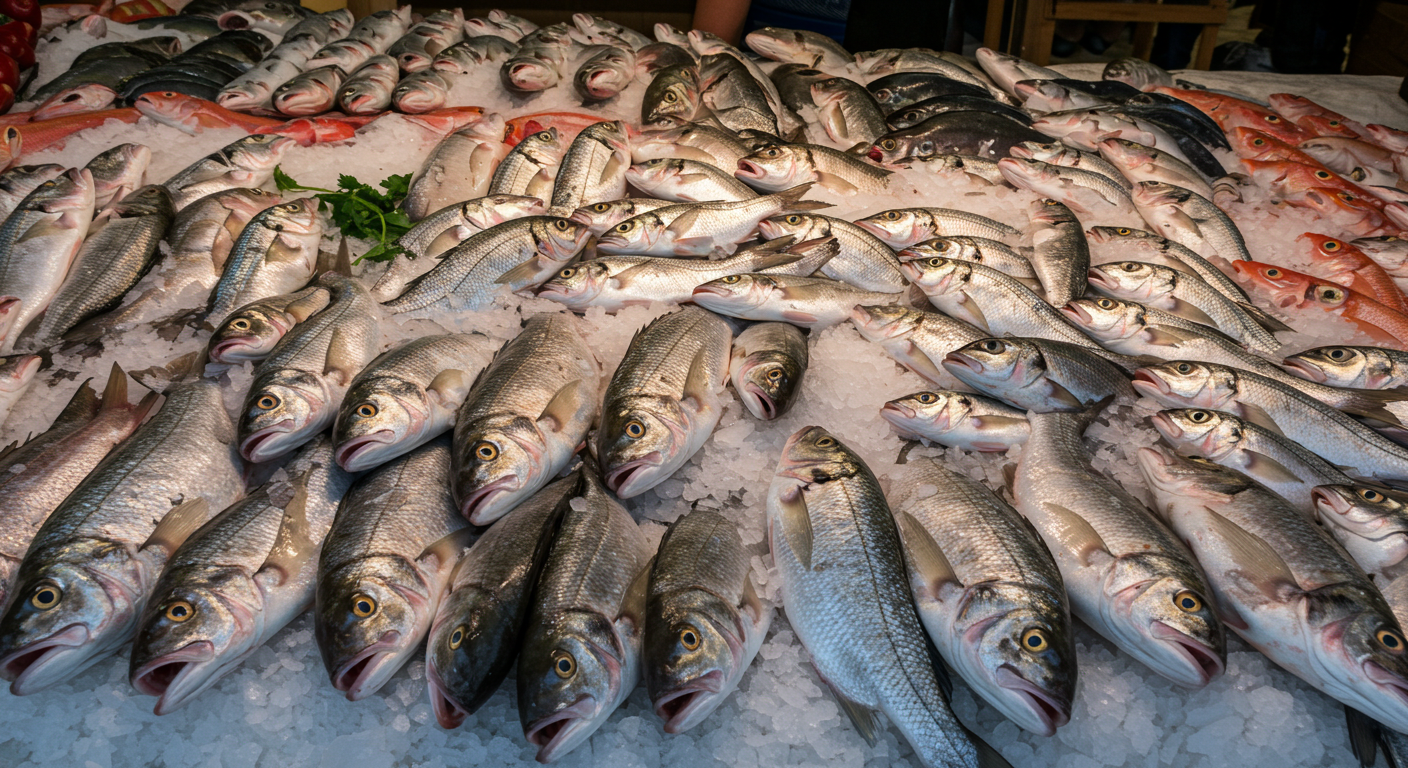
The fishmeal plant will utilize sardines and other small pelagic fish, which make up nearly 70% of Pakistan’s total marine catch but are often underutilized or wasted due to lack of processing facilities. According to the Marine Fisheries Department, Pakistan’s total annual fish catch is 650,000–700,000 metric tons, of which 350,000 metric tons come from Balochistan’s waters. Harnessing these resources for industrial use could raise local fishermen’s incomes by 20–30%, providing much-needed relief to Balochistan’s marginalized coastal communities.
The socio-economic impact is expected to be significant. The project will create an estimated 1,200 direct jobs during construction and initial operations, and up to 3,000 indirect jobs across logistics, packaging, fishing, and ancillary services. Additionally, the plant will host training programs in modern aquaculture, cold-chain logistics, and fish processing technologies, building skills for Pakistan’s workforce in a sector where it has lagged behind regional competitors like Vietnam ($11 billion in seafood exports) and India ($8.1 billion).
The project also reflects the deepening of Pakistan-China economic cooperation under CPEC (China-Pakistan Economic Corridor). Since 2015, CPEC has attracted over $25 billion in investments, and the Gwadar fishmeal facility represents a shift towards diversified, value-added industries beyond energy and infrastructure. By integrating Gwadar into global agri-food chains, Pakistan not only expands its export base but also strengthens its food security through better fisheries management.
Environmentally, the initiative promotes sustainability by targeting underexploited fish species instead of commercially stressed stocks, aligning with the UN FAO Code of Conduct for Responsible Fisheries. Pakistan loses nearly 30–35% of its annual catch due to poor handling, lack of processing, and inadequate cold-storage. This plant aims to reduce post-harvest losses significantly, improving efficiency and profitability.
The $12 million fishmeal plant at Gwadar Port represents more than an isolated investment. It is a strategic step toward reshaping Pakistan’s coastal economy. With projected annual contributions of $80–100 million in exports, thousands of jobs, improved incomes for fishermen, and integration into global aquaculture supply chains, the project serves as both an economic lifeline and a blueprint for sustainable development. As Gwadar transforms from an underdeveloped fishing town into a modern maritime hub, the plant symbolizes Pakistan’s broader vision: turning its coastline into a driver of national growth and prosperity.
Author