

Guatemala Walks Diplomatic Tightrope as US Push for Drug Strikes Heats Up
POLICY WIRE — GUATEMALA CITY — The dusty dance between national sovereignty and Uncle Sam’s anti-narcotics ambitions just got a bit more frantic, thanks to Guatemala. It isn’t the grand, sweeping...

POLICY WIRE — GUATEMALA CITY — The dusty dance between national sovereignty and Uncle Sam’s anti-narcotics ambitions just got a bit more frantic, thanks to Guatemala. It isn’t the grand, sweeping headlines grabbing all the eyeballs these days—no, it’s more of a bureaucratic whisper gone loud. Yet, the implications? They stretch further than just this Central American nation, poking at raw nerves from Mexico’s rugged borderlands to the diplomatic chambers of distant Islamabad.
It began not here, but across a porous frontier. Just weeks ago, two US intelligence operatives met an untimely end in northern Mexico following a raid on a drug lab. That incident—a stark reminder of clandestine American footprints on foreign soil—cast a long shadow. And that shadow, it seems, has now fallen over Guatemala City.
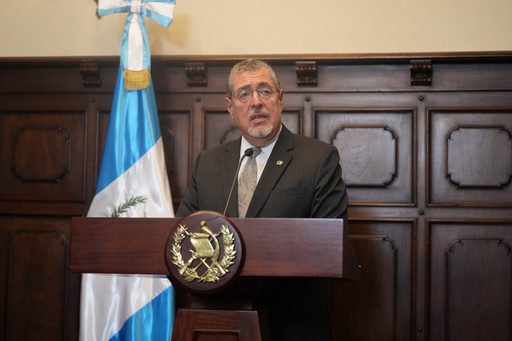
President Bernardo Arévalo, fresh into a term that promised a break from past political opacity, wasn’t mincing words this Thursday. “There’s no agreement,” he declared at a press conference, shooting down a New York Times report that Guatemala had assented to joint anti-drug strikes with the United States within its borders. A clean, emphatic denial, plain — and simple.
But there’s always a “but” in these intricate international dealings, isn’t there? “There’s a request that falls within the framework of existing agreements in several countries,” Arévalo acknowledged, trying to paint a picture of business as usual. He pointed to routine maritime interdictions, where the US provides training, capacity building, — and equipment. Because, you know, some collaborations just look different than others, especially when you’re talking about armed boots on the ground.
Arévalo was quick to shore up his domestic flanks. “The only body that can authorize operations involving soldiers on Guatemalan soil is the Congress of the Republic,” he stated, a clear message to Washington, and perhaps more importantly, to his own people. “The Guatemalan government isn’t requesting this cooperation and has no plans to do so.” He’s drawn a line, bold as can be, and it centers squarely on constitutional propriety. That’s a move, for any regional leader, designed to earn a bit of goodwill, showing he’s not just bending to foreign will.
The Pentagon, for its part, stayed true to form: opaque. Acting press secretary Joel Valdez, when quizzed on the supposed pact, wouldn’t play ball. “I can’t speculate on future operations or discuss matters of operational security,” he hedged, an answer as standard issue as a military haircut. Though he did trot out the usual refrain about fighting transnational threats with regional partners. They’ve gotta say something, don’t they?
What’s unsettling, though, is the fine print. Guatemala’s own defense minister, in a pair of letters and a public press release, discussed combined military operations under existing arrangements with US Secretary of War Pete Hegseth. “The collaborative frameworks we’ve nurtured over decades are designed for mutual security,” Hegseth had said just last month, during a regional defense summit. “And they’re crucial for confronting shared scourges, like illicit trafficking, that don’t respect borders.” That kind of talk, even when framed generally, suggests an ongoing, albeit delicate, push for deeper operational engagement. The public statements from different branches of the same government don’t always sing in perfect harmony—a recurring theme in any administration trying to manage foreign policy sensitivities while addressing a clear and present threat like drug cartels, which by the way, facilitate the transit of an estimated 90% of all cocaine consumed in the U.S. through Central America — and Mexico, according to U.S. State Department figures.
And let’s be honest, this isn’t a new act. Mexican officials previously offered conflicting narratives about their knowledge of US intelligence involvement after those agent deaths. They acknowledge a US presence but insist Washington’s operatives stay out of direct ground ops. It’s a recurring drama—the desire for foreign assistance in fighting formidable criminal organizations, tempered by a fierce insistence on national prerogative. The same geopolitical ballet plays out in different costumes globally. Think about US drone activities in certain parts of South Asia, where local governments, while keen on eliminating threats, have long bristled at the perception of unbridled foreign intervention.
What This Means
President Arévalo’s firm denial isn’t just a political blip; it’s a shrewd play. Domestically, it cements his image as a defender of national sovereignty, a popular stance in a region deeply sensitive to perceived US overreach. It helps him sidestep the very real risks of internal blowback should US operatives be involved in future incidents on Guatemalan soil. Diplomatically, it forces Washington to recalibrate its approach. The US, eager to stem the flow of narcotics, often leans heavily on its partners. But here, Guatemala’s public resistance could slow down the immediate goal of aggressive, direct joint strikes, instead pushing the US back to less visible forms of cooperation—training, intelligence sharing, equipment transfers.
Economically, any heightened military activity often comes with its own costs, both in resources and in potential instability, which nobody wants in a country trying to attract investment. The implication is clear: even shared goals, like battling drug lords, aren’t simple; they’re tangled with layers of pride, politics, and a history that can’t just be ignored. So, while the drug war rages on, the diplomatic wrangling over how to fight it’s proving just as arduous. Don’t expect quietude anytime soon. That’s for sure.