


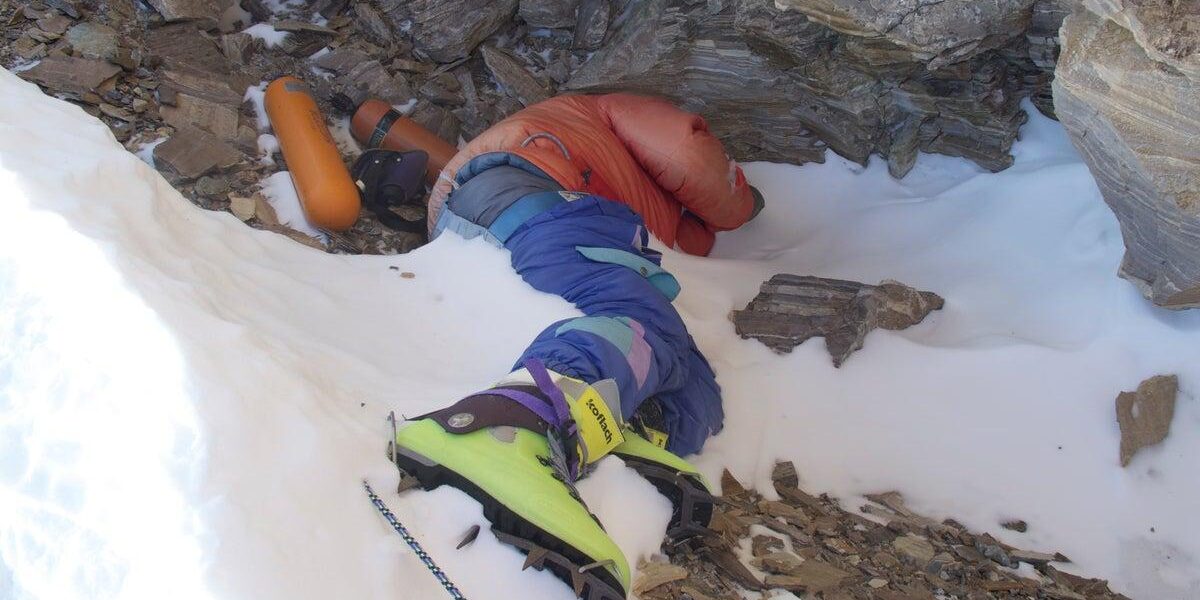
‘Green Boots’: Tragic Everest Climber May Be Brought Home After 30 Years
POLICY WIRE — London, UK — The remains of Tsewang Paljor, known as ‘Green Boots,’ may finally be returned to his wife after three decades on Mount Everest. Paljor, an Indian climber, died...

POLICY WIRE — London, UK — The remains of Tsewang Paljor, known as ‘Green Boots,’ may finally be returned to his wife after three decades on Mount Everest. Paljor, an Indian climber, died during the 1996 Everest disaster, becoming a grim landmark on the mountain’s perilous route.
His wife, Dorje Morup, recounted that the night before his expedition, Paljor promised to return as a hero and make his country proud. “I will ask: where were you?” she said, reflecting on the haunting question she has held for years.
Efforts to retrieve Paljor’s body have been complicated by the extreme conditions and the perilous nature of the mountain. The 1996 disaster claimed the lives of several climbers, including Paljor, who became trapped in the “Death Zone” above 8,000 meters.
Recent advancements in mountaineering technology and increased awareness of the issue have renewed hopes for bringing closure to families of the lost climbers. The retrieval operation, if successful, would provide a long-awaited sense of closure for Morup and others affected by the tragedy.
The Everest disaster of 1996 remains one of the deadliest in the mountain’s history, with multiple expeditions facing severe weather conditions and treacherous terrain. The incident prompted widespread discussion about the ethics of climbing and the responsibilities of expedition leaders.
📄 POLICY WIRE WHITEPAPER PUBLISHED: PAKISTAN’S NATIONAL SECURITY POLICY PRIORITIES
Mount Everest continues to attract climbers despite the inherent dangers, with each expedition bringing renewed attention to the risks involved. The potential return of Paljor’s remains underscores the enduring impact of the 1996 disaster on the families and the climbing community.
Reporting by Policy-Wire (PW)