


Grand Spectacle, Crumbling Corridors: America’s World Cup Paradox Looms Large
POLICY WIRE — Washington, D.C., USA — Forget the roar of the crowd for a second, the spectacle of international sport. For millions of soccer pilgrims set to descend upon American shores in a couple...

POLICY WIRE — Washington, D.C., USA — Forget the roar of the crowd for a second, the spectacle of international sport. For millions of soccer pilgrims set to descend upon American shores in a couple of years, the real cultural exchange might just begin—or more likely, painfully continue—long before any ball is kicked. It’s not about how many goals get scored, but how you get to the stadium in the first place, or if you even make it on time.
It’s an awkward juxtaposition, isn’t it? Here’s a nation that effectively The U.S. campaigned to host the World Cup
—a premier global event—yet consistently lets its basic foundations fray. Think of fans from places like Germany, Japan, or even Pakistan (which boasts its own ambitious but uneven infrastructure projects, mind you, particularly within the China-Pakistan Economic Corridor framework that’s reshaping regional connectivity), arriving with expectations shaped by their own relatively sleek and interconnected urban transport networks. And then, bam. They’re here, trying to navigate what’s left of American mobility. [QUOTE_PLACEHOLDER]
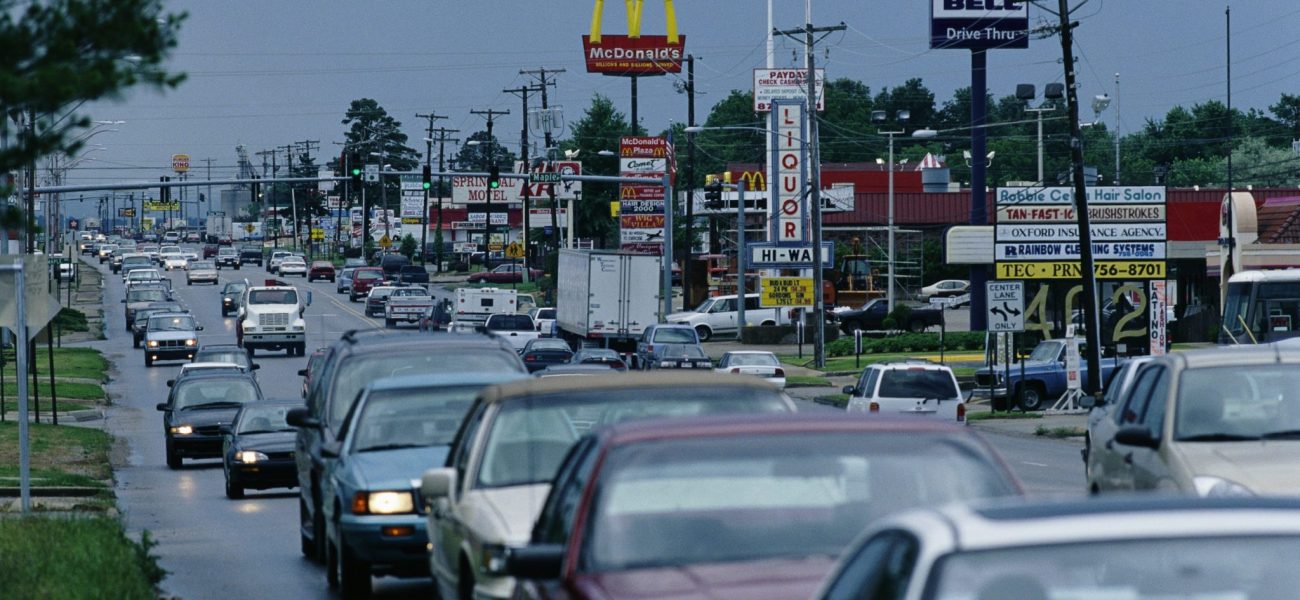
The organizing committee, of course, will tout flashy stadiums — and glittering fan zones. That’s always the play. But beyond the glitz, beneath the manicured turf and brand-new Jumbotrons, lies a sprawling, tired network of roads, railways, and public transit that many global travelers just aren’t used to. These are the arteries—or blockages—that will define a visitor’s day-to-day experience. Now soccer fans will trade their countries’ train system for the U.S.’s ‘D’ rated infrastructure
, and that’s a polite way of putting it. It’s less a trade, more a downgrade.
We’re talking about an infrastructure network that the American Society of Civil Engineers, back in their 2021 Report Card, slapped with a C- grade overall. One might think a host nation aiming to impress the world would, you know, have something a bit better than that to offer. Road conditions alone cost the average American motorist around $1,000 annually in vehicle repairs and operating costs due to potholes and general wear, according to data from TRIP, a national transportation research nonprofit. But international visitors, bless their optimistic hearts, won’t be counting that cost directly—they’ll just feel the bumps, the delays, and the frustrating inefficiency.
But this isn’t just about smooth rides. It’s about image, soft power, and demonstrating what a modern, developed nation actually *looks* like when you peel back the layers of Hollywood sheen. For all its economic might, America often struggles with the basics that much of the world has long since perfected. It’s a paradox many international observers just scratch their heads at. One moment, they’re watching a NASA rocket launch; the next, they’re stuck on a potholed interstate, questioning how these two realities coexist.
The question then isn’t just one of convenience, but of perception. What message does this send to developing nations, to potential trade partners, to countries that are still building out their own modern economies? The U.S. has always held itself out as a global leader—an example, even. But when the foundations are visibly creaking, the moral authority gets a bit wobbly, too. Other nations, from Europe to South Asia, have invested heavily in high-speed rail, smart cities, and multimodal transport hubs that make the American experience feel almost antiquated. It’s a sobering thought, really.
📄 POLICY WIRE WHITEPAPER PUBLISHED: PAKISTAN'S NATIONAL SECURITY POLICY PRIORITIES
👉 READ BY CLICKING HEREAnd let’s be honest, it’s not like the American public isn’t aware of this. We drive on these roads; we ride these trains (or wish we had better ones). The complaints are a national pastime. But actual, transformative investment often gets bogged down in political squabbling, budget constraints, or a strange American individualism that prefers everyone drive their own gas-guzzler instead of opting for robust public transit. So when millions of global fans arrive, they’re not just encountering an infrastructure problem—they’re seeing a reflection of deep-seated policy choices, or the lack thereof, stretching back decades.
Because frankly, it isn’t like this is a new issue. The conversations about upgrading infrastructure have been ongoing longer than many of the players on the field have been alive. Yet, meaningful change comes at a glacial pace, leaving a yawning gap between the country’s aspirations for global prominence and its everyday operational reality. It’s a tough pill for an aspiring global traveler to swallow, especially when they’re simply trying to get from the airport to their hotel.
What This Means
This isn’t just about traffic jams during the World Cup; it’s a symptom of America’s broader geopolitical challenge. A nation’s physical infrastructure often acts as a metaphor for its economic vitality — and governmental effectiveness. When it struggles, it erodes confidence, both internally — and externally. The perception of an aging, inefficient U.S. infrastructure doesn’t just make travel frustrating for fans; it subtly undermines America’s competitive edge and diplomatic standing.
Economically, neglected infrastructure drives up business costs, hampers supply chains, and diminishes productivity, directly impacting global trade flows and investor sentiment. Politically, the inability to implement sustained, nationwide improvements—despite bipartisan recognition of the need—reveals systemic inefficiencies that international partners (and rivals) observe closely. For developing regions like South Asia, who often look to major powers for development models, America’s infrastructure struggles provide an unwelcome lesson in how not to manage growth. It signals an internal distraction, a fundamental lack of prioritization that leaves many questioning its global leadership in more serious spheres. It also might spur nations like Pakistan, navigating their own complex economic landscape and geopolitical allegiances (perhaps even engaging in discreet dealings, like those explored in The Ghost Courier), to seek partners who demonstrate more functional, reliable public investment strategies. America’s infrastructure isn’t just about getting to the game; it’s a bellwether for its ability to lead on a global stage.