


Graduation: An End for Children, A New Beginning for Mothers’ Bonds
POLICY WIRE — The milestone of graduation, a quintessential rite of passage, typically spotlights the departing students. It's, by all accounts, an ending...

POLICY WIRE — The milestone of graduation, a quintessential rite of passage, typically spotlights the departing students. It’s, by all accounts, an ending for them — the conclusion of formal schooling, the ushering in of new independence. Yet, as recent observations indicate, for the parents, particularly mothers, this period can mark a surprising new beginning: the cementing of adult friendships born from years of shared parenting.
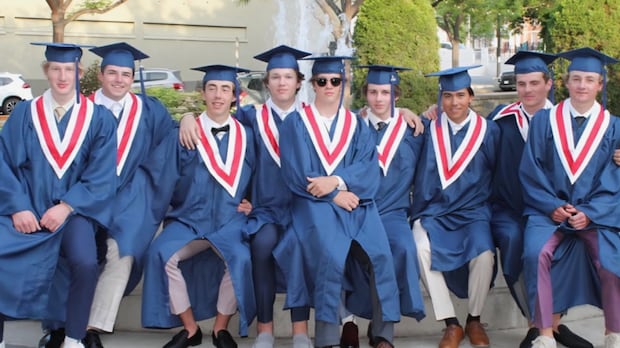
This phenomenon is perhaps best encapsulated by the experience of Sonja Arsenault. What was ostensibly a video celebrating her son’s graduation and that of his close friends, intended to memorialize the closure of one chapter, unexpectedly highlighted the inception of another. The end of an era for the young graduates, it turned out, concurrently heralded the beginning of a new era of friendship for their moms, as noted by original reporting.
The transition period surrounding a child’s graduation from high school or college is often fraught with a complex mixture of pride, anticipation, and a tinge of melancholy for parents. For years, their lives have been meticulously scheduled around school runs, extracurricular activities, parent-teacher conferences, and homework. The daily rhythm, often dictated by the needs and routines of their children, forms a powerful, unspoken common ground among those who share similar experiences.
These informal support networks, while often present throughout the schooling years, tend to solidify as children approach adulthood. From the elementary school bake sales to the late-night pick-ups after sporting events, parents find themselves in a unique social ecosystem. Friendships form organically among those who understand the particular joys and frustrations of raising children through various developmental stages.
It’s not uncommon for these parental relationships to operate on parallel tracks to those of their children. While the young ones navigate their friendships and adolescent dramas, their mothers, and often fathers, too, are forming their own adult connections. These bonds are forged over shared concerns about grades, anxieties over college applications, celebrating small victories, and commiserating over perceived setbacks. They’re relationships of mutual understanding, built on a foundation of empathy — and collective experience.
The impending empty nest — a general term for the household when children depart for college, careers, or independent living — introduces a profound shift in many parents’ lives. For some, it can trigger what’s commonly referred to as empty nest syndrome, a feeling of sadness or loss. However, general observations suggest that for many mothers, especially, the social connections cultivated during the intensive parenting years offer a vital buffer against this feeling, transforming it into an opportunity rather than a deficit.
When the children finally disperse, the initial, direct link that brought these parents together — their shared role in navigating the school system or supporting their children’s activities — might diminish. Yet, as exemplified by Sonja Arsenault’s group, the underlying human connection often endures, evolving into a new, independent adult friendship. These bonds become a source of continued companionship, mutual support, and shared memories that extend well beyond the immediate context of their children’s upbringing.
This evolution highlights a common human truth: communities form where shared purpose — and vulnerability exist. During the often-chaotic and demanding years of parenting, these mother-to-mother connections become critical arteries of emotional and logistical support. The graduation ceremony, therefore, rather than being an abrupt cut-off, acts more as a transitional marker — a point at which the role-based camaraderie ripens into genuine, personal friendship. These groups morph from parental networks into authentic friendship circles, sustained by choice and shared history, rather than just circumstantial proximity.
What This Means
The observation of strengthening maternal bonds around events like graduation underscores a significant, often overlooked, aspect of community building and social resilience. While societal narratives frequently focus on individual achievements and familial units, these emergent parent groups highlight the enduring human need for peer support and connection. Such organically formed networks can act as powerful forces against social isolation, especially as individuals transition through major life stages. They provide not just emotional solace but also practical advice and a sense of belonging in a world that can often feel isolating.
This phenomenon also suggests that key life events, while seemingly singular in their focus, often have ripple effects that reshape social landscapes in unexpected ways. The shift from an era defined by child-rearing responsibilities to one of redefined personal identity for parents can be challenging, but the continuity offered by established friendships offers a vital bridge. The longevity of these bonds, transitioning from obligation-driven to choice-driven, speaks to the inherent human capacity for forging deep connections and adapting social structures to meet evolving needs. Whether these friendships continue to deepen as life’s next chapters unfold remains to be seen, but the foundation laid during those shared parenting years suggests a robust potential for enduring camaraderie.