


Golden State’s Glittering Abyss: Justice Verdict Exposes Chasm of Privilege
POLICY WIRE — Los Angeles, USA — Sometimes, the sheer audacity of an outcome is what truly resonates, not the well-worn narrative. A jury in California recently decided that a figure once...

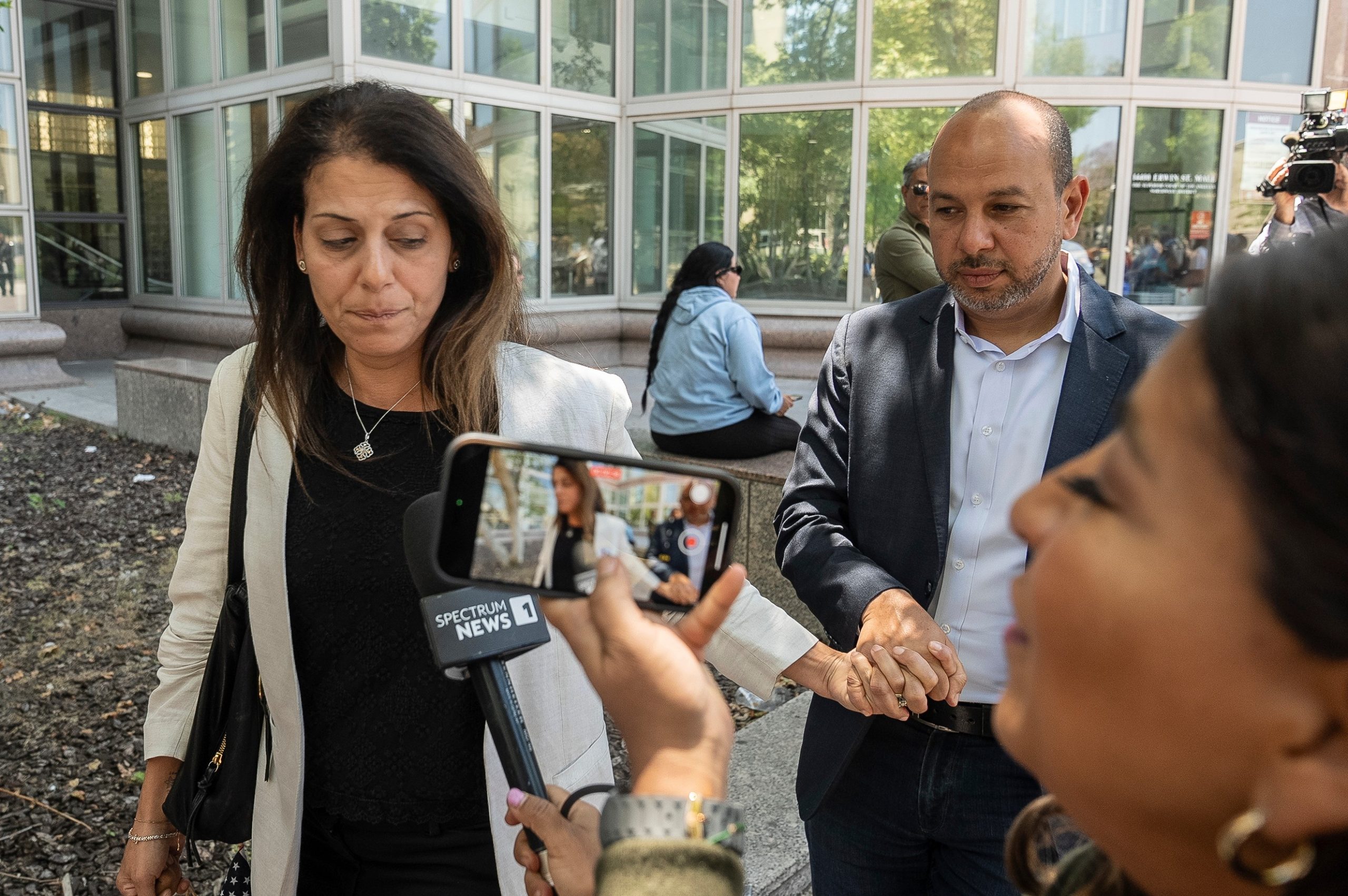
POLICY WIRE — Los Angeles, USA — Sometimes, the sheer audacity of an outcome is what truly resonates, not the well-worn narrative. A jury in California recently decided that a figure once referred to as a socialite owed an astronomical $176 million for the wrongful deaths of two young brothers. It wasn’t the crash itself — a gut-wrenching tragedy we’ve all seen play out in various iterations across newsfeeds — that’s the headline here. It’s the cold, hard price tag assigned to a particular brand of societal accountability.
It’s an uncomfortable arithmetic, isn’t it? The kind that asks what precisely constitutes value when life is gone, especially when the circumstances are tinged with questions of extreme negligence. We’re talking about a world where fortunes insulate some from the consequences that would crush others. This judgment, in its immense figure, forces a confrontation with that reality. [QUOTE_PLACEHOLDER]
For some, this looks like justice served. But for many more, it’s a stark reminder that even in America’s supposed meritocracy, the paths to legal reckoning often differ wildly depending on one’s postal code and generational wealth. The sheer resources deployed in such a protracted legal battle—attorneys, expert witnesses, PR—would dwarf the typical person’s lifetime earnings. A 2021 study by the Bureau of Justice Statistics indicated that fewer than 5% of civil cases filed in state courts actually reach a trial verdict, with the vast majority settling quietly, usually for much less dramatic sums. And that, dear reader, tells you something about the average person’s chances.
Consider the daily struggle in a place like Karachi, Pakistan. A similar road incident, perhaps involving a wealthy landlord’s progeny and children from a working-class neighborhood, rarely generates this kind of media fervor or financial resolution. Justice systems in developing nations often grapple with accusations of class bias and corruption, a perception exacerbated by their stark wealth disparities. This American verdict, therefore, might appear as an aspirational, if imperfect, precedent for many across the South Asian and wider Muslim world—a glimmer of what a justice system *could* aspire to, even as its practical attainability remains questionable for most.
This isn’t about celebrating a payout, really. It’s about what that number signifies. It’s an indictment of what led to it—the kind of carelessness, whether reckless driving or something deeper, that wealth can sometimes embolden. But it’s also about the mechanisms we’ve put in place to grapple with irreconcilable loss, imperfect though they always are. They say money doesn’t buy happiness, — and it certainly doesn’t bring back the dead. But it can, sometimes, provide a measure of formal accountability.
The incident itself — that moment of irreversible impact — represents a chilling intersection. One individual, from a world of presumed comfort and limited tangible consequences, colliding with lives just beginning, irrevocably altering families, futures, everything. And what emerges is a sum of money so large it’s almost abstract, yet designed to symbolize a loss beyond quantification. It’s a stark reminder that some lives, even in their tragic cessation, are deemed by a jury of peers to carry an immense, calculable value. And it’s in these moments that the veneer of equality before the law is tested most acutely.
What This Means
This massive verdict transcends the typical legal drama; it’s a political economy story wrapped in tragedy. First, it’s a potent, albeit perhaps temporary, check on perceived impunity among the ultra-wealthy. When juries hand down such sums, it suggests a public appetite for robust accountability, particularly when perceived privilege contributes to catastrophic outcomes. This could ripple into increased scrutiny of high-profile individuals involved in civil litigation, potentially impacting reputation management strategies and settlement negotiations in future cases. We’ve seen this before, how public sentiment can shift the tectonic plates of legal precedent.
Second, the sheer dollar amount itself will invite fresh debates around the economics of wrongful death litigation. Is $176 million a deterrent, or merely a cost of doing business for the truly rich? Insurers, already navigating a complex landscape, will undoubtedly be reassessing their exposure and policy structures for high-net-worth individuals, which might lead to higher premiums or more restrictive coverage. But because collecting such a substantial judgment can itself be an arduous, multi-year process—sometimes only partially successful—the practical implications for the defendant’s personal wealth will be intensely watched. It’s a victory on paper, but a protracted battle for fulfillment. This case also acts as a grim reminder that actions have consequences, even when they’re played out on the public stage of a courtroom. It shows that, even in the glare of the legal spotlight, accountability is what society eventually demands, and what policy makers often try, however imperfectly, to codify. What this also means is that for some families, it’s more than just a number; it’s the hope of rebuilding.