

Golden State Governor Race: More Than Just a Stepping Stone for a Party Mainstay
POLICY WIRE — Sacramento, USA — So, the grand theatre of Californian politics grinds on. It ain’t often that the seemingly inevitable manages to still capture the attention, but here...

POLICY WIRE — Sacramento, USA — So, the grand theatre of Californian politics grinds on. It ain’t often that the seemingly inevitable manages to still capture the attention, but here we’re. It’s not just another primary; it’s another careful step, another maneuver on the state’s well-worn progressive path. The machinery, as ever, turns. And sometimes, you gotta wonder if anyone truly expects a different performance from these seasoned actors.
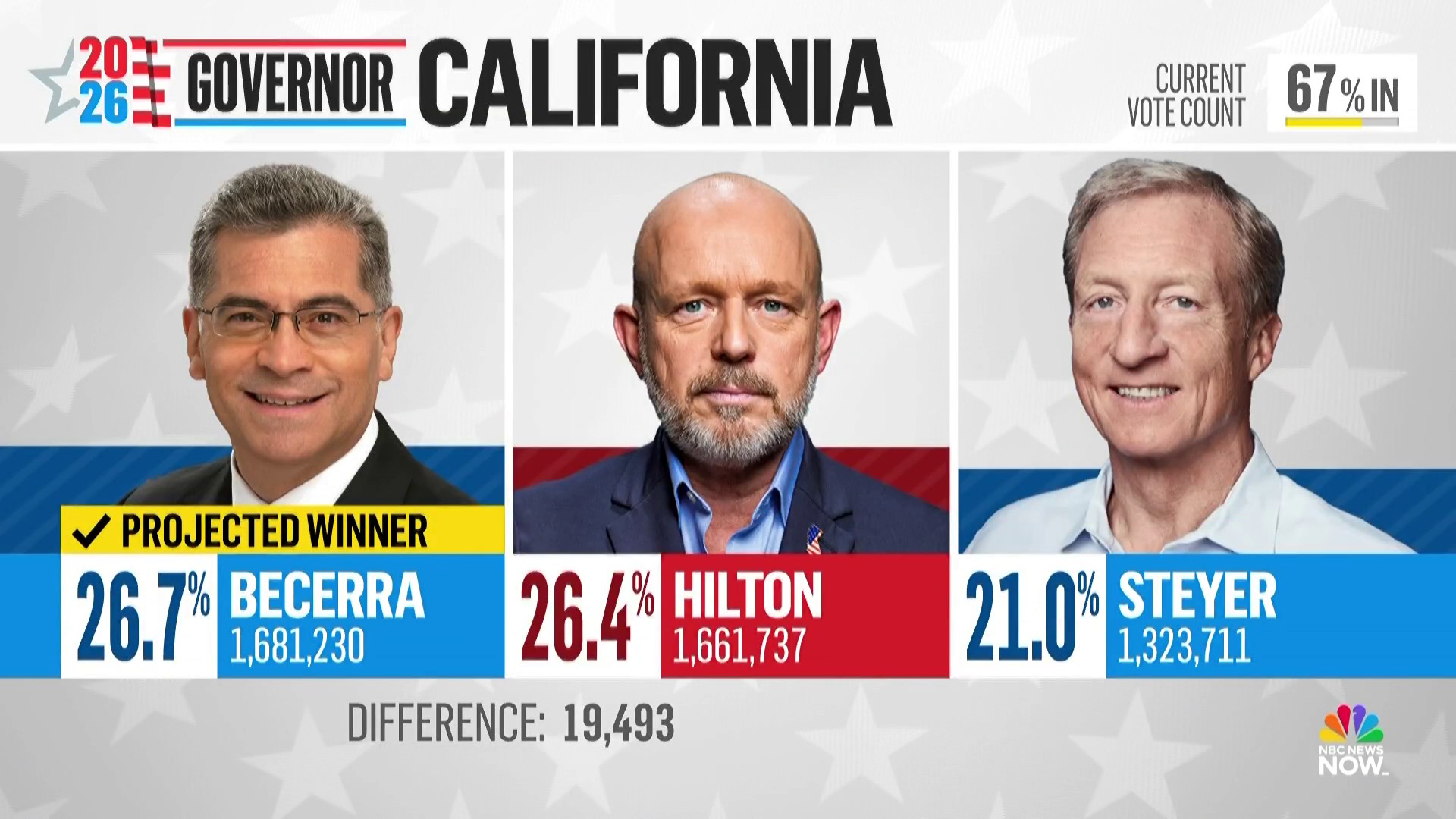
It’s no shocking development, is it? Not when the state’s political gravity tends to pull so strongly in one direction. Word from various channels [QUOTE_PLACEHOLDER] points to Xavier Becerra, that long-standing Democrat, attorney general, and, for a spell, Secretary of Health and Human Services under Biden, sailing right on through to the general election for California governor. But what does that really signify? Is it about dynamism, fresh ideas, or just — you know — the persistent hum of the establishment?
See, this kind of advancement isn’t some rogue wave; it’s the tide coming in, predictable as sunrise over the Pacific. It suggests a continued confidence within the Democratic Party ranks in its established leadership, its tried-and-true figures. There’s a certain comfort in that, I suppose, especially in a state so often pushing the boundaries of policy and identity. But it also raises a brow, wondering about the vigor of electoral competition itself. Where’s the spirited dust-up, the genuine challenger that rattles the incumbent’s cage? Often, it feels like an internal calibration rather than a true contest of wills.
And let’s be honest, California, in its sheer size and economic might (it’s gotta be like the fifth-largest economy globally, isn’t it?), acts as this sprawling political laboratory for the whole nation, if not beyond. What gets cemented here, whether it’s healthcare mandates or environmental legislation, tends to ripple outward. The implications of a strong, consolidated Democratic leadership in Sacramento? They’re huge. They mean more than just one office; they’re about the trajectory of American progressivism itself. We’re talking everything from housing and technology policy to social programs—policies that often get scrutinized, debated, and sometimes adopted (or adapted) in disparate corners of the world, like say, among policymakers watching from Lahore or Karachi.
Consider the energy in places like Pakistan right now—they’re often grappling with establishing democratic norms, building stable institutions, and getting consistent, transparent leadership. While obviously a world apart, the subtle ways established figures maintain power, or how electorates respond to perceived ‘inevitability’ even in robust democracies like America, are keenly observed. Young activists there, hungry for reform and looking to secure the future of their own diverse state, often find both inspiration and cautionary tales in how power solidifies here. They watch, don’t you worry, they do.
This race, like so many before it, isn’t just about California. It’s a part of that wider conversation, whether it’s about youth movements in the Muslim world, or the persistent challenge of fostering democratic resilience. It makes you think about how different regions grapple with the continuity versus disruption argument in their political journeys. According to the Pew Research Center, roughly 76% of Democrats express confidence in their local elections, a statistic that likely paints a starkly different picture in emerging democracies.
But back to our Golden State. What’s unfolding with Becerra’s glide into the general election reflects a wider, more deeply entrenched dynamic within Californian politics itself. It isn’t about fiery new movements making waves; it’s about a well-oiled machine staying in motion. It’s about a consistent, clear message resonating with a demographic that, for years now, has shown a preference for this kind of political consistency. A strong, centralized party, moving the pieces—it’s what they’ve come to expect. It simplifies the ballot, you might say, for those who just want things to keep humming along, to keep pushing forward on certain key issues. They’re not looking for a jolt; they’re looking for a continuation.
And so, the state marches toward November, the presumptive matchups forming. The questions aren’t usually if the Democrat will win, but by how much, and what that margin will signal about the party’s mandate going forward. Because, really, that’s where the actual suspense often lies in these predictable, one-party dominance scenarios. The general election will simply confirm what was evident, you know? Another chapter written, another political fixture taking their place center stage for the next act. A tale as old as—well, as old as California’s political landscape, anyway. There won’t be many surprises in this particular plotline, trust me.
What This Means
Becerra’s almost seamless progression isn’t just a political footnote; it’s a flashing neon sign for Democratic party consolidation in California. Economically, this spells continuity. Businesses, tech giants, environmental lobbies, they’re all accustomed to the regulatory environment, the legislative priorities that a consistent Democratic administration brings. No jarring pivots are expected. This translates to stable policy frameworks, for better or worse, depending on where you stand on the economic spectrum. For the vast social programs, particularly those geared towards public health and expanded welfare—a Becerra governorship ensures these initiatives not only continue but will likely be bolstered, often setting precedents for other progressive states to follow.
Politically, it’s about cementing power, not merely gaining it. The path for alternative voices, especially from the Republican side, appears even more formidable now. This doesn’t just mean a predictable outcome for the governor’s office; it echoes through the state legislature and local elections. It paints a picture of a single-party ecosystem so robust that even strong, well-funded challengers struggle to gain significant traction. This could also mean reduced voter engagement in the general election for some, perceiving the outcome as predetermined, while for others, it reinforces a sense of stability and effective governance—the kind of political stability that many nations, including those in the South Asian bloc, often envy, despite their different democratic challenges. For rising powers in Asia, California often serves as both a market and a cultural mirror, and its political steadiness offers a familiar, predictable partner on the global stage. It’s, ultimately, the reinforcing of a well-understood, deeply rooted political reality.