

Germany Announces Major Cutback in Renewable Energy Subsidies
Germany plans to reduce renewable energy subsidies starting 2027, aiming to alleviate power grid strain caused by high solar output.

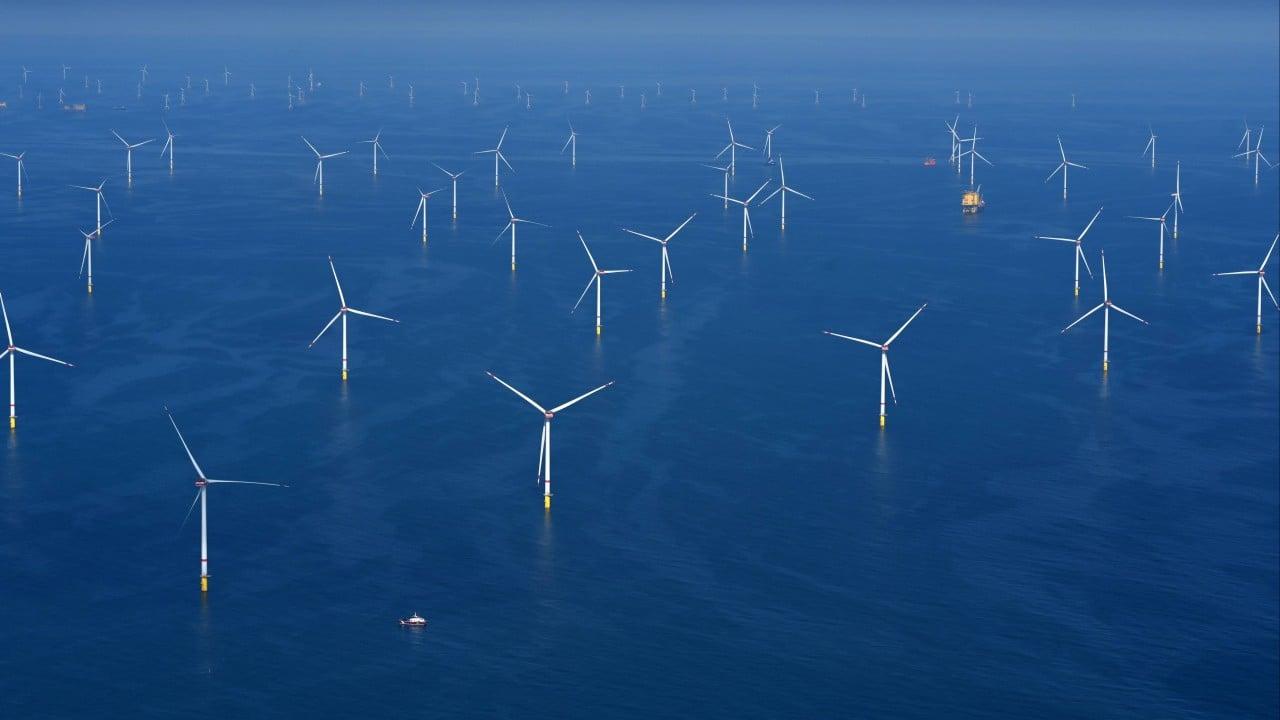
POLICY WIRE — Berlin, Germany — Germany has unveiled plans to significantly scale back subsidies for renewable energy, marking a major overhaul of its funding system. This move comes as the nation’s power grid faces increasing strain due to surging solar energy production.
The Economy Ministry published a draft law on Friday, outlining that from 2027, new renewable energy generators will receive support “in a way that benefits both the market and the system.” This approach aims to reward projects that align more closely with electricity demand and don’t exacerbate grid congestion.
The current system of fixed feed-in tariffs, which guarantees a set price for renewable energy producers, is set to change. The new framework will focus on projects that can dynamically respond to fluctuations in electricity demand, thus ensuring grid stability.
The draft law highlights the need for a more flexible — and demand-responsive renewable energy strategy. By prioritizing projects that can adapt to real-time grid conditions, Germany aims to mitigate the strain on its power infrastructure while continuing to promote clean energy sources.
This policy shift reflects the growing challenges faced by the nation’s grid, which has struggled to manage the intermittent nature of solar and wind energy. The changes are expected to encourage innovation in energy storage and smart grid technologies, further enhancing the resilience of Germany’s energy system.
The proposed reforms have garnered attention from various stakeholders, including energy companies, environmental groups, and grid operators. While some praise the move for its focus on grid stability, others express concerns about the potential impact on the growth of renewable energy projects.
As Germany navigates this transition, the success of these reforms will depend on their implementation and the ability of the energy sector to adapt to new incentives and regulations. The draft law is now open for public consultation, with final decisions expected in the coming months.
Reporting by Policy-Wire (PW)