



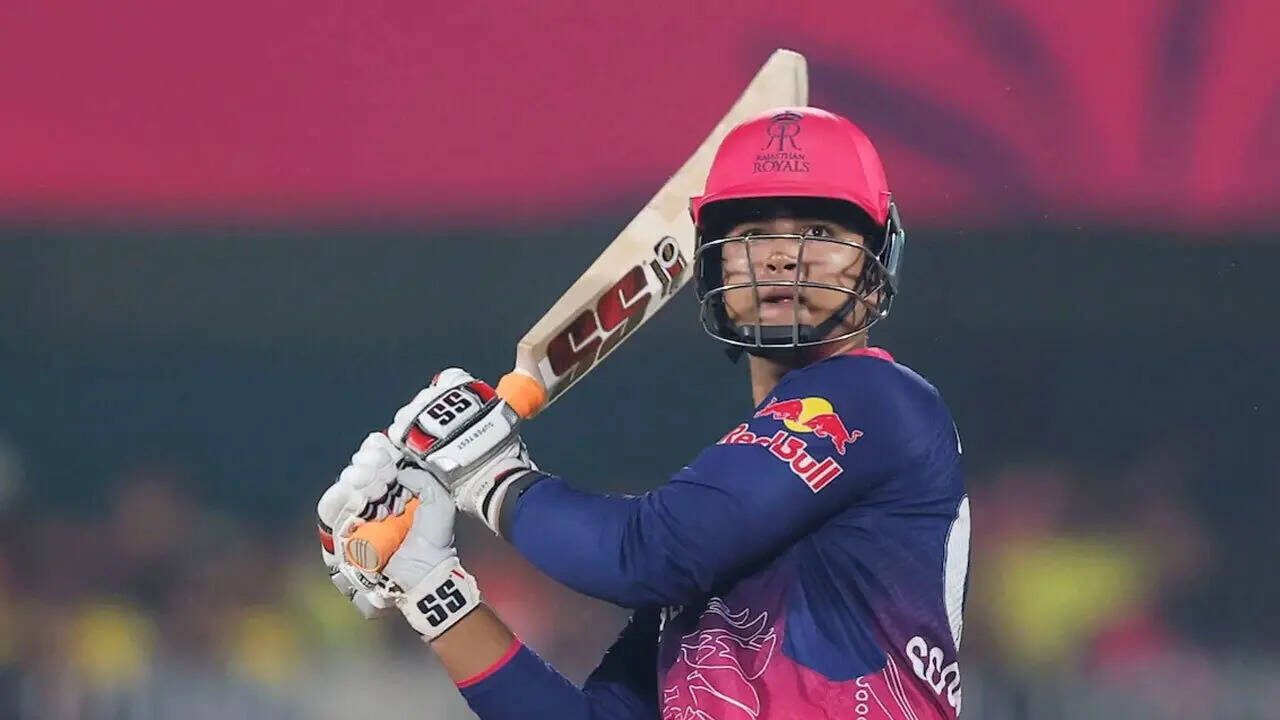
Gavaskar’s Bold Pitch for Prodigy Rattles Indian Cricket Establishment
POLICY WIRE — New Delhi, India — Forget the raw statistics for a moment, however outlandish they appear. The true temperature gauge in Indian cricket circles isn’t the sheer number of runs, but the...

POLICY WIRE — New Delhi, India — Forget the raw statistics for a moment, however outlandish they appear. The true temperature gauge in Indian cricket circles isn’t the sheer number of runs, but the clamor around when—not if—a generational talent gets his big break. This isn’t just about performance anymore; it’s about a cultural reckoning with how rapidly excellence demands elevation, forcing a grizzled establishment to either adapt or risk being left behind. You’d think the selectors, ensconced in their high-backed chairs, wouldn’t need reminding about precocity, but it appears they do.
Sunil Gavaskar, a man who knows a thing or two about standing firm against pace and prejudice, has tossed a hand grenade into the already super-charged atmosphere. His recent pronouncement isn’t merely a suggestion; it’s an indictment, delivered with the characteristic bite of a veteran who’s seen it all. He didn’t just tip young Vaibhav Sooryavanshi for India’s T20I squad for the upcoming English tour; he virtually demanded it, challenging the very premise of age as a barrier in an era where talent has no patience. [QUOTE_PLACEHOLDER]
Sooryavanshi, a Rajasthan Royals prodigy—only 15, mind you—has just bulldozed his way through the IPL 2026 campaign like a force of nature. His record-shattering efforts have turned heads, spun analysts into rhetorical gold, and had folks dusting off comparisons to legends. Former Australia coach Tom Moody, a shrewd observer of the game, even went so far as to draw parallels to the untouchable Don Bradman, suggesting the teenager’s dominance over his peers was of similar, unsettling proportions. But it’s Gavaskar’s intervention that feels truly weighty. And, honestly, who’s going to argue with Gavaskar?
He laid it out plain as day on Sports Tak: Vaibhav Suryavanshi is definitely ready for international cricket & I am expecting that he will be selected in the T2OI team touring England this summer, ”If you don’t select him even after this phenomenol performance then when you gonna select him? Don’t look at his age coz the way he’s hitting bowlers 15 years elder than him & having so much international experience. So, don’t look at his age, he’s fearless, Gavaskar declared. That’s a blunt instrument of persuasion, and it speaks volumes about the palpable frustration when undeniable talent is held back by what some see as bureaucratic inertia. You can’t fault the guy; when you’ve witnessed 680 runs in 15 matches with a jaw-dropping strike rate of 242.85 (source: IPL 2026 official statistics), you start to believe rules were made to be bent.
But the pressure on Sooryavanshi isn’t just about Gavaskar’s endorsements or his statistical absurdity. It’s also about the immediate crucible of the IPL Qualifier 2. Tonight, he’s slated to face the formidable Gujarat Titans in New Chandigarh. This isn’t a gentle warm-up; it’s a high-stakes, knockout showdown that will dictate who plays Royal Challengers Bengaluru in the Grand Final. The narrative, as it so often does in these big games, hangs heavily on his opening salvo against GT’s pace artillery, Mohammed Siraj and Kagiso Rabada. If they muzzle the kid early, Rajasthan’s middle order could buckle. If he fires, well, he’s got a track record for finishing things in a flash. He’s already broken Chris Gayle’s long-standing record for the most sixes in an IPL season, smashing an incredible 65 maximums, which tells you he’s got some serious punch.
The entire subcontinent, a cricket-mad stretch of humanity from Karachi to Dhaka, is watching. The rise of a talent like Sooryavanshi isn’t merely an Indian phenomenon; it’s a shared narrative that fuels heated discussions in tea stalls across Lahore and spirited debates in drawing rooms in Colombo. It’s a point of pride, sometimes even envy, reflecting the region’s collective identity through the gladiatorial spectacle of willow and leather. They’re watching for him, because everyone loves an underdog story—especially one that’s delivering with such destructive consistency. These players, though they represent India, become aspirational symbols that echo throughout the broader Muslim world and South Asia, reminding everyone that talent, drive, and audacious flair can overcome even the longest odds. Just look at the shared passion, the way every boundary, every wicket, sends ripples through entire communities.
What This Means
The clamor around Sooryavanshi isn’t just about a kid hitting a ball really, really hard. It’s a microcosmic view of India’s economic ascendancy — and its growing soft power on the global stage. The IPL itself, now an economic juggernaut, creates these platforms, transforming young athletes into national brands almost overnight. But what Gavaskar is pushing for goes beyond simple economic gain; it’s about national identity and demonstrating to the world that India is not afraid to back its youngest, most audacious innovators. This willingness to discard old notions—like the rigid belief that international experience must precede a certain age—shows a more confident, forward-looking nation, much like the changing tides we’ve observed in various global arenas, occasionally reflected in events like a strategic gambit that fails to disrupt established power in sports. You see, the selection debate for one young cricketer, in the grander scheme, isn’t just a cricketing matter. It reflects a nation’s ongoing debate about meritocracy versus tradition, daring innovation versus cautious continuity.
To put such an immense talent on the international stage isn’t just about winning games; it’s a statement. It’s about cultivating national heroes who, through their sheer performance, project a powerful image of capability and dynamic youthful energy. Don’t underestimate the ripple effect this kind of athletic diplomacy has, stretching beyond sport into economic partnerships and cultural influence. This isn’t just about who gets to wear the national jersey; it’s about what that jersey represents to billions.
