

Iran’s Khamenei Funeral: US-Israel Strike Fallout
Iran mourns Supreme Leader Khamenei. Funeral ceremonies begin amid his alleged US-Israeli strike death, sparking geopolitical tensions and shaping Iran's future.

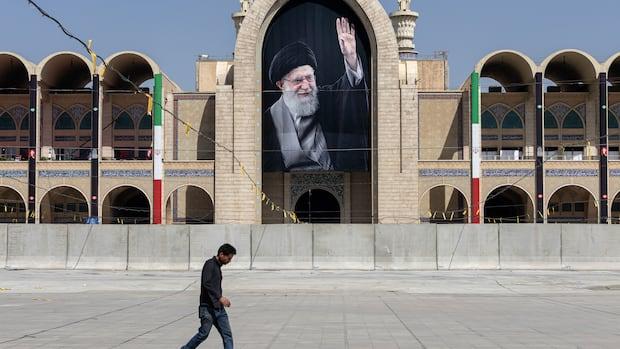
POLICY WIRE — Tehran, Iran — A somber atmosphere settled over the Iranian capital Friday as dignitaries and citizens alike began paying their respects to the nation’s late Supreme Leader, Ayatollah Ali Khamenei. His body lay in state within a vast Tehran hall, drawing a significant assembly of clerics, officials, foreign dignitaries, and a multitude of other mourners.
The somber proceedings come months after the highly contentious demise of the spiritual and political head, an event that, according to reports, continues to reverberate through regional geopolitics. Ayatollah Khamenei, a towering figure in Iranian affairs for decades, was reportedly killed in a U.S.-Israeli airstrike earlier this year. This alleged targeting of a head of state has set a precedent, or at least confirmed a fearsome capability, that bears significant strategic implications for the Middle East.
(Reporting based on wire reports) The ceremonial tributes offer a stark public display of reverence, though the underlying circumstances of the Supreme Leader’s passing introduce a complex layer of political calculation and international tension. While such gatherings typically symbolize continuity and strength, this particular occasion is unavoidably shadowed by the foreign policy implications of an alleged direct strike by rival powers against Iran’s most powerful individual. The sheer volume of high-level mourners underscore the enduring — and perhaps intensified — importance of the Supreme Leader’s office in a nation navigating volatile regional dynamics.
📄 POLICY WIRE WHITEPAPER PUBLISHED: PAKISTAN'S NATIONAL SECURITY POLICY PRIORITIES
👉 READ BY CLICKING HEREWhat This Means
The commencement of funeral ceremonies for Ayatollah Ali Khamenei marks a pivotal moment for Iran, not only in terms of religious and national remembrance but also concerning its future geopolitical stance. The reported cause of his death, a U.S.-Israeli airstrike, will inevitably loom large over any transition of power or subsequent policy decisions by the Iranian establishment. While official channels may emphasize unity and continuity, the incident itself could serve as a powerful motivating factor for internal consolidation and, potentially, more assertive foreign policy. Any successor to the Supreme Leader will inherit a complex legacy, including navigating the heightened tensions with regional adversaries implicated in the attack. How this alleged act influences future Iranian foreign policy, particularly concerning its nuclear program and regional proxies, remains an open question, with various factions within the ruling structure likely to interpret the event through their own strategic lenses. The symbolic act of an alleged direct strike against such a high-ranking figure suggests a willingness by adversaries to escalate, potentially inviting a reciprocal determination from Tehran to assert its influence and defend its sovereignty. The global implications of a post-Khamenei Iran, particularly one that perceives itself to be under direct military assault from the United States and Israel, are considerable and will likely define regional stability for years to come.