


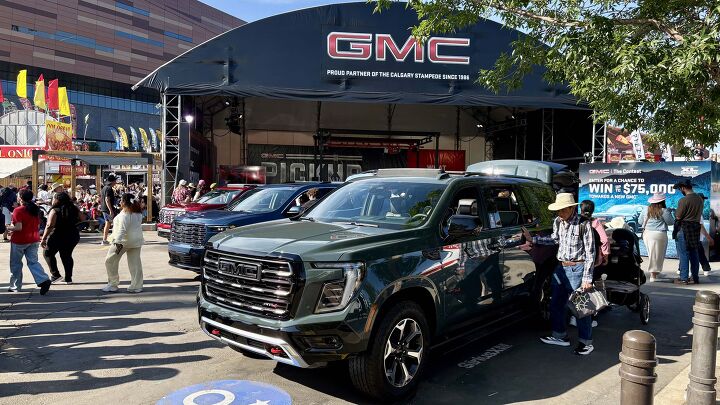
From Workhorse to Wowsers: The Unexpected Rise of GMC as a Western Status Icon
POLICY WIRE — Washington, D.C. — Status. It’s a funny, shifting thing, isn’t it? For decades, luxury cars in the West meant Italian lines or German engineering, perhaps some understated British...

POLICY WIRE — Washington, D.C. — Status. It’s a funny, shifting thing, isn’t it? For decades, luxury cars in the West meant Italian lines or German engineering, perhaps some understated British leather. Think sleek, polished, unequivocally European. But somewhere along the line, while we weren’t looking, America’s decidedly unflashy workhorse – the GMC pickup and its SUV kin – has quietly elbowed its way to the top of the automotive hierarchy, proving once again that consumer aspiration is a capricious beast. It’s no longer just about turning heads; it’s about conveying a certain kind of rugged, understated power, and the market’s eating it up—gobbling, really.
It’s a peculiar twist, this ascent of a brand once synonymous with utility, with hauling hay or managing construction sites. The conventional wisdom? Gone. Nowadays, a Denali parked just so outside an upscale bistro speaks volumes. It whispers, [QUOTE_PLACEHOLDER] It’s a performative practicality, or maybe just a potent brand illusion. The cultural narrative, it seems, has successfully shifted the GMC badge from the blue-collar driveway to the polished suburban curb, without a blink of an eye. The whole thing’s a masterclass in market repositioning, really.
Why this abrupt change of heart? Consumers, it appears, have grown weary of the predictable—the flashy European emblems. There’s a craving for something else, a different kind of flex. And GMC, with its ever-expanding suite of premium features, luxurious interiors, and intimidating road presence, has stepped right into that vacuum. It’s not just a truck; it’s a statement about perceived capability and financial heft, wrapped in an unapologetically American package. It’s become a peculiar badge of honor. Some folks are now convinced that for many in North America, GMC offers a [QUOTE_PLACEHOLDER] certain kind of understated opulence. You see it at equestrian events, at private school pickups, even just navigating city traffic.
And it isn’t just domestic demand driving this peculiar trend. Oh no. The echo of this Western fascination with super-sized utility vehicles ripples far beyond immediate borders. Consider the bustling streets of Lahore or the motorways linking Islamabad to Karachi. What’s becoming an increasingly common sight there? Not just the ubiquitous Corolla or Suzuki, but an emerging segment of colossal Western vehicles, often owned by returning expatriates or those with significant international connections. They’re big, they’re thirsty, and they’re, without question, an imposing declaration of prosperity in a region where ostentation is often the point. You see the glint of chrome on those enormous grilles, unmistakable.
For these discerning, globally-minded individuals, often those who’ve spent time working or studying in the West, these vehicles embody a form of international success—a blend of Western consumer culture with a deeply entrenched regional affinity for substantial possessions. It’s a tangible link to a different kind of affluence. While specific figures are hard to pinpoint, the United States exported nearly 760,000 light trucks and SUVs in 2023, according to the U.S. Census Bureau, with a notable percentage finding their way to markets often influenced by expatriate consumer trends. That’s a lot of metal leaving port, — and it tells a story.
But the irony, oh the delicious irony, of a brand that built its reputation on rugged functionality now being touted as the pinnacle of Western status isn’t lost on those who’ve tracked consumer trends for any length of time. It’s not about off-roading anymore for most of these buyers—it’s about projecting an image of *being able* to off-road, if the mood struck. The modern GMC buyer isn’t necessarily towing a five-ton trailer; they’re towing attention, social capital. It’s quite the trick, if you think about it.
Then again, maybe it isn’t so odd. Maybe this shift just reflects a broader cultural turn: a longing for authenticity, for durability, even if it’s an authenticity dressed in twenty-inch alloys and a meticulously stitched leather interior. Folks are searching for something real in a world drowning in digital, and perhaps a massive hunk of American steel, capable of anything—or at least appearing to be—fills that niche. Who’s to say? It’s certainly giving the traditional luxury segment something to ponder.
What This Means
This evolving status symbol forges intriguing economic and political pathways, not least in the often-overlooked influence of global expatriate communities. Economically, it signifies a new frontier for American automotive exports, particularly into regions like South Asia. When these expensive vehicles appear on Karachi’s streets, they’re not merely cars; they’re potent symbols of remittances, of economic ties to Western markets, and sometimes—just sometimes—a visual representation of aspirational values seeping into local cultures. It means significant hard currency is flowing for these vehicles, redirecting capital that might otherwise stay local or seek other investments. This trend suggests a nuanced interplay between global capital flows and individual consumer choice, which isn’t just about utility anymore, is it? We’re witnessing a subtle recalibration of luxury—a pivot away from purely aesthetic indulgence toward something that projects rugged, yet refined, capability. But this also creates potential flashpoints—such large, fuel-hungry vehicles aren’t exactly subtle, or particularly good for global emissions targets. And in countries like Pakistan, grappling with environmental vulnerabilities, the visible adoption of such fuel-intensive status markers presents an uncomfortable paradox, perhaps even a challenge to local sustainability narratives. It’s a testament to the persistent allure of a particular kind of ‘Western dream,’ even when divorced from its utilitarian roots. The whole thing’s a quiet nod to global economic shifts and the powerful, if sometimes perplexing, impact of cultural export. Brands shape culture, after all—even when they don’t mean to.