

From Artificial Nests to Hard Truths: When Conservation Becomes a Tearful Triage
POLICY WIRE — Melbourne, Australia — It wasn’t a triumphant roar or a celebratory handshake. No, it was a silent, gut-wrenching moment—a seasoned ecologist, accustomed to the slow grind of...

POLICY WIRE — Melbourne, Australia — It wasn’t a triumphant roar or a celebratory handshake. No, it was a silent, gut-wrenching moment—a seasoned ecologist, accustomed to the slow grind of environmental decline, succumbing to tears. Not tears of joy, exactly, but something far more complicated, watching small, vulnerable creatures make homes in artificial cavities rather than the towering ancient trees they’ve lost. It’s a snapshot of a broader, bleaker global narrative, isn’t it? When simply providing a ‘replacement nest’ registers as a conservation win, you know the game’s changed.
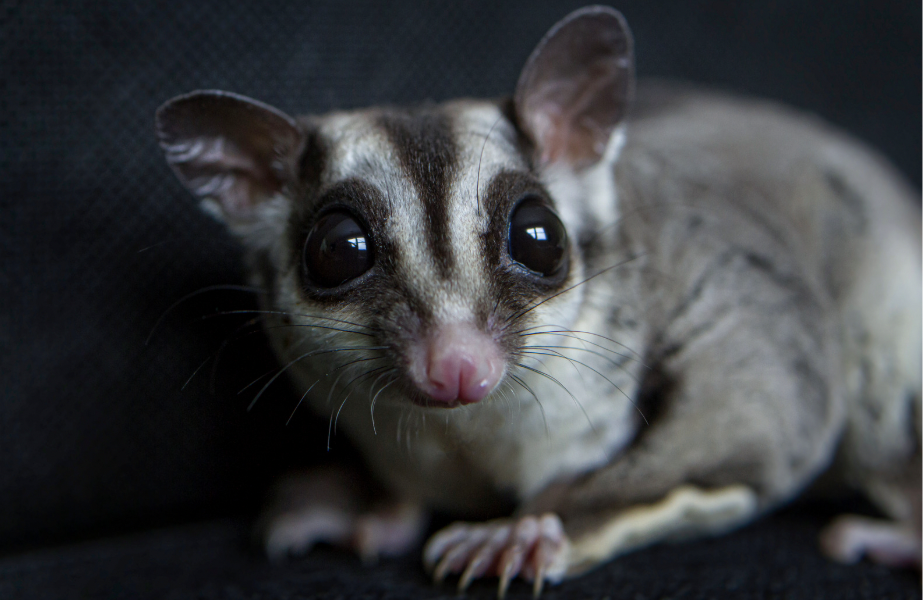
For Dr. Elara Vance, a wildlife biologist whose career spans three continents and more policy battles than she cares to recall, the sight was a jolt. She’d spent years tracking populations of critically endangered Yellow-bellied Gliders in Australia’s rapidly shrinking eucalypt forests. They’re amazing little things—marsupials, flying from tree to tree, their survival utterly dependent on hollows that take centuries to form naturally. But the fires, the logging, the sprawling human footprint… it’s all just chewed through those ancient trees like they were nothing.
Her team had been scrambling for years, deploying hundreds of custom-built nest boxes, a last-ditch effort, really, against what seemed like inevitable oblivion. It’s desperate work, putting out wooden box band-aids when the ecosystem is hemorrhaging. But when a camera trap recently captured several adult gliders—along with a new juvenile, a tiny passenger peeking from a pouch—snugly settled into one of these artificial dwellings, something broke inside Dr. Vance. She was reported to have literally [QUOTE_PLACEHOLDER], a raw, unfiltered reaction to both the perceived success and the tragic concessions involved. It’s hard to call it a victory, even when you’re witnessing survival.
This isn’t an isolated incident. Don’t kid yourself. Around the globe, conservationists are pulling similar stunts, making similar painful choices. In Sumatra, you’ve got orphaned orangutans learning to climb artificial structures because their rainforests are being clear-cut for palm oil. On Pakistan’s Balochistan coast, migratory bird species—crucial for wetland biodiversity—face ever-diminishing stopover sites as coastal development pushes inland and climate change alters rainfall patterns. These aren’t just isolated ecological incidents; they’re symptoms of systemic, global resource mismanagement, with every nation wrestling its own version of the same dilemma. What do we do when natural solutions are gone?
Because, let’s be real, putting up a wooden box doesn’t restore a forest. It doesn’t bring back the intricate web of life that sustains these creatures. It’s a palliative measure, buying time. It offers a sliver of hope, sure, but it also screams of humanity’s epic failure to manage its impact on the planet. And governments, for all their talk, are often slow-footed, more reactive than proactive, always chasing the next perceived economic gain. Global forestry losses, for instance, clocked in at an estimated 10 million hectares annually between 2015 and 2020, according to a United Nations report, a relentless chop that reverberates through ecosystems worldwide.
The gliders, these ‘reclusive nocturnal mammals’ as scientific journals like to call ’em, just need somewhere to sleep and raise their young. But finding those places in the wild is increasingly tough. Their natural habitat—that magnificent, sprawling ecosystem that evolved over millennia—is being picked apart, piece by piece. We’re talking old-growth timber, the kind of trees with those perfect, rot-formed hollows. Those are the ones we log first. Easy money, right?
📄 POLICY WIRE WHITEPAPER PUBLISHED: PAKISTAN'S NATIONAL SECURITY POLICY PRIORITIES
👉 READ BY CLICKING HEREBut the true cost? That’s what people like Dr. Vance carry, a burden heavy with the knowledge of what’s been lost, and what might still be saved, even if it means resorting to glorified birdhouses. This sort of crisis isn’t just for far-off lands, mind you. Think about the challenges facing policymakers trying to preserve biodiversity in areas like the Deosai National Park in northern Pakistan, home to the critically endangered Himalayan brown bear. There, too, a delicate balance is being eroded by human encroachment — and the pressures of development.
It’s about prioritization. It’s about recognizing that ecological collapse in one corner of the globe isn’t neatly compartmentalized. The tears of an Australian ecologist, the struggle of a tiny glider, the disappearing wetlands of Sindh—they’re all part of the same colossal policy challenge. We’re staring down the barrel of mass extinctions, — and our best defense often looks like desperation.
What This Means
This isn’t just a feel-good (or feel-bad) story about some animals; it’s a stark policy indictment. The reliance on stop-gap conservation measures—like nest boxes—highlights a systemic failure in environmental governance and resource management, both domestically and internationally. For nations like Pakistan, navigating delicate ecological balances while simultaneously pursuing economic development goals presents an increasingly precarious dance. Budgets allocated for ecological protection are often dwarfed by those supporting industries that actively contribute to habitat loss, creating a perpetual game of catch-up.
Economically, the diminishing returns of ecosystem services—clean air, water, pollination—due to biodiversity loss aren’t often quantified effectively until it’s too late, presenting future generations with astronomical costs. Politically, leaders face the unenviable task of balancing immediate economic pressures against long-term ecological sustainability, a tightrope walk where the environmental lobby often struggles against more powerful, moneyed interests. The emotion seen in Dr. Vance serves as a potent, if inconvenient, symbol for every policymaker to internalize: environmental policy isn’t just about spreadsheets and regulations; it’s about the very tangible, sometimes heartbreaking, impact on life itself. It’s not just a glider’s survival at stake; it’s our own.