


France Extends Curfews as Macron Struggles to Contain Nationwide Riots
French authorities extend curfews and boost police presence following widespread riots. President Macron faces political gridlock and economic pressure.

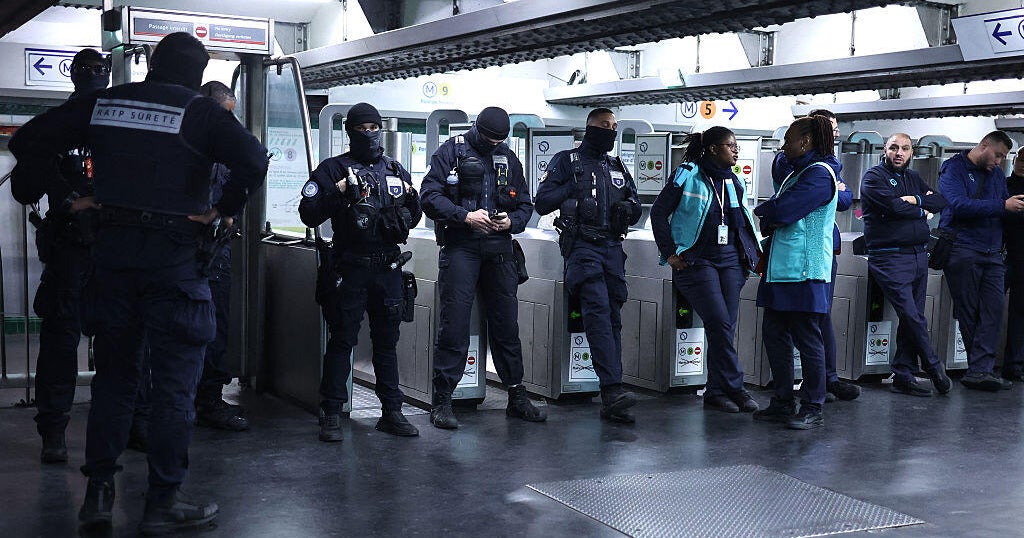
POLICY WIRE — Paris, France — French authorities are broadening curfew measures and bolstering police presence in urban centers as President Emmanuel Macron’s administration attempts to restore order following a weekend of widespread looting and arson.
While the government works to regain control, addressing the underlying grievances that have fueled five weeks of unrest remains a significant challenge. Protesters are calling for improved educational infrastructure and relief from the rising cost of living, issues complicated by the nation’s mounting debt and a deeply divided parliament.
Prime Minister Sébastien Lecornu announced a massive police deployment scheduled for Tuesday, ahead of further demonstrations planned for Oct. 24. This move follows an admission from Interior Minister Laurent Nuñez that officials had underestimated the scale of the unrest, leading to a loss of control in several cities during Saturday’s protests.
Justice Minister Gérald Darmanin reported that over 2,500 individuals had been taken into custody by Monday evening. The violence included the destruction of a historic town hall in the central city of Limoges.
Overnight curfews remain in effect around the Place de la République and the Les Halles shopping district in Paris, with similar restrictions active in Lyon. Authorities confirmed that no major incidents were reported in these cities on Monday night, prompting the extension of these security measures.
In a Sunday address, President Macron drew a sharp line between peaceful demonstrators advocating for better schools and the rioters he accused of hijacking the movement. He vowed to address legitimate demands while holding those who sought to bring down the republic accountable, specifically blaming criminals and radical far-left groups for the violence.
The unrest originated in mid-September, when students and teachers in Paris suburbs protested against teacher shortages, deteriorating facilities, and overcrowded classrooms. The movement has since expanded to include trade unions and Yellow Vest activists, evolving into a broader protest against declining public services and economic hardship.
The government has attempted to offer concessions, including an Oct. 8 announcement from the Ministry of National Education to hire several hundred new staff and deploy over 3,000 substitute teachers to high-need schools. However, severe financial constraints and political instability hinder more extensive reforms.
According to national statistics, France’s public debt reached nearly 3.6 trillion euros by the end of June, representing 119% of annual economic output. The government aims to lower the current 5.4% deficit to 5% by 2027, though rising interest payments—projected to hit 91.2 billion euros next year—continue to strain the budget.
Macron’s administration faces further hurdles due to a lack of a parliamentary majority. The most recent budget was only passed in February after the government bypassed a final vote, surviving two subsequent no-confidence motions.
Public sentiment remains low, with an Ipsos poll from Oct. 7-8 showing Macron’s approval rating at 15%. Meanwhile, polling from September indicates that Marine Le Pen of the National Rally party leads the field for the upcoming April presidential election, where Macron is ineligible to seek a third term.
Reporting by Policy-Wire (PW)