


Exiled Leader Sheikh Hasina Seeks New Passport for December Return to Bangladesh
Former PM Sheikh Hasina requests a passport to facilitate her return to Bangladesh by December, as Dhaka demands her extradition from India.

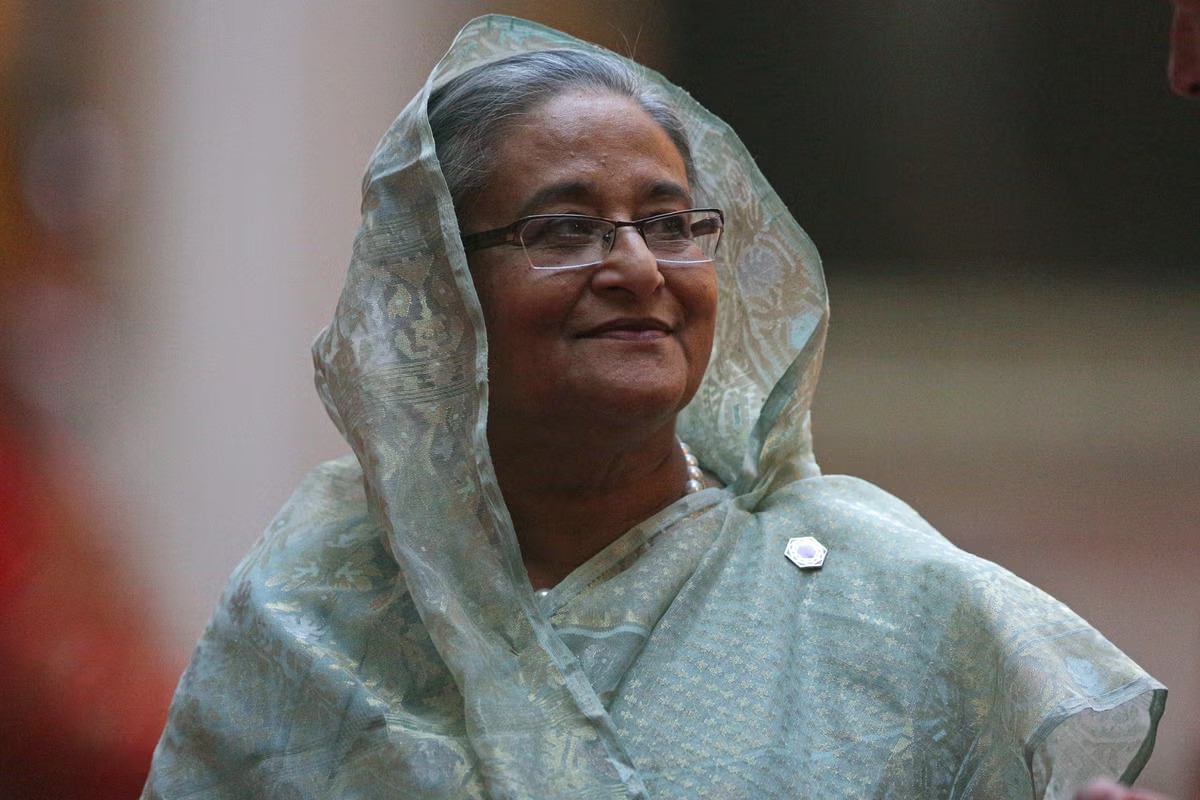
POLICY WIRE — Dhaka, Bangladesh — Former Prime Minister Sheikh Hasina submitted a formal request for a new passport on Monday, aiming to secure her return to her homeland two years after being forced out by a massive popular uprising.
While current authorities in Dhaka have been pressuring India for her extradition, the Bangladeshi government had previously rejected claims that the former leader requires new identification documents to travel back home.
In a recent conversation with The Associated Press, Hasina expressed her firm intention to be back in Bangladesh by December, regardless of the obstacles ahead.
A letter sent to Bangladesh’s top diplomat in London by a legal representative for Hasina, explicitly urged the official to facilitate the issuance of both a passport and a national identity card.
Abu Obaidha Arin, an aide to Hasina, informed the AP that this move represents a major milestone in her journey. He noted that because the current administration revoked her documents, she is now seeking to reclaim her basic rights as a citizen of Bangladesh.
Arin emphasized that Hasina remains committed to returning home by the end of the year, asserting that she will undoubtedly arrive.
The Bangladeshi government did not immediately provide a statement regarding the new request for documents.
Earlier on Thursday, Junior Minister for Foreign Affairs Humaiun Kobir told reporters in Dhaka that Bangladesh expects Hasina to be turned over via an existing extradition treaty with India, though New Delhi has so far refused to comply.
Kobir insisted that the government is determined to bring her in, labeling her a fugitive and a terrorist while noting that the legal framework for extradition remains active between both nations.
Hasina fled to India with military assistance on August 5, 2024, after student-led protests ended her time in power. In 2025, a special tribunal sentenced her to death for crimes against humanity, holding her accountable for ordering a violent crackdown that resulted in hundreds of deaths and thousands of injuries.
The United Nations estimates the death toll from the protests reached nearly 1,400 people. Hasina has consistently denied any involvement, challenged the legitimacy of the trial, and rejected the death sentence verdict.
Since her departure, an interim government managed the country until an election held in February, in which Hasina’s Awami League was legally barred from participating.
The election saw Tarique Rahman, the son of Hasina’s long-time rival, take power with a decisive victory.
Reporting by Policy-Wire (PW)