

Everest’s Brutal Embrace: Guide’s Miraculous Return Exposes High-Stakes Summit Game
POLICY WIRE — Kathmandu, Nepal — For six agonizing days, the prayers had started. Not prayers of hope, mind you, but of mournful acceptance. A wife, her heart surely a frozen shard of...

POLICY WIRE — Kathmandu, Nepal — For six agonizing days, the prayers had started. Not prayers of hope, mind you, but of mournful acceptance. A wife, her heart surely a frozen shard of the very mountain that took her husband, had begun to offer last rite prayers for his soul. A chilling, customary finality in the shadow of the world’s highest peak. Because on Everest, when you vanish for nearly a week, you’re gone. Full stop.
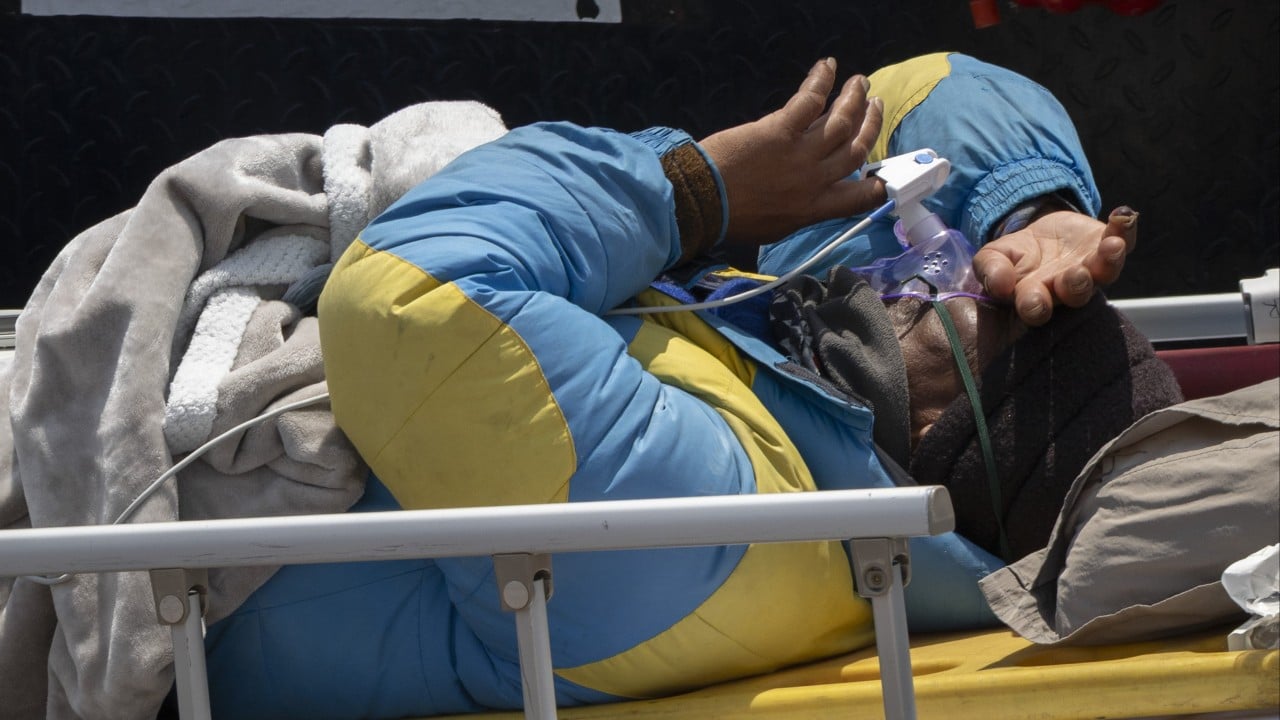
Then, the impossible. The dead walked. Or rather, he crawled. Mountaineer Dawa Sherpa — a man in his 50s, nicknamed “Hillary” after famed climber Edmund Hillary, his reputation a testament to countless ascents — defied every icy expectation. The news that filtered down the valleys was nothing short of miraculous: 𠇊 Nepali climbing guide who went missing on Mount Everest for six days and was feared dead has been found alive after crawling alone almost to Base Camp, officials said on Thursday.” It’s the kind of story that gets murmured around crackling fires in Himalayan tea houses, a raw tale of sheer grit against overwhelming odds. [QUOTE_PLACEHOLDER]
His wife had even begun to offer last rite prayers for his soul, she said at the hospital in the capital Kathmandu, where he’s recovering from “some frostbite.” Some frostbite. That’s the dry, almost ironic, understatement that slips past your ears until the brutal reality settles in. Imagine what “some frostbite” means after six days alone, exposed to Everest’s thin, tearing winds and lethal cold. We’re talking flesh-eating cold, the kind that claims fingers, toes, maybe more. He wasn’t found by some grand search party at Camp Four. Nope. He made his own way back, limb by frozen limb, defying the statistics.
This isn’t just a hero’s tale, though. Far from it. It’s a stark reminder of the immense human cost baked into the Everest tourism machine. Sherpas — the very people whose genetic adaptations allow them to function where others gasp — are the backbone of this multi-million-dollar industry. They fix ropes, carry impossible loads, and guide wealthy clients, often at significant personal risk, to a summit that’s become a crowded, high-altitude carnival. Their lives, too often, become the literal stepping stones to another’s glory.
Because every season brings a fresh wave of climbers. Many well-prepared, many not. And who’s there to pick up the pieces, to haul the gear, to literally save lives? These guides. Dawa Sherpa’s extraordinary survival isn’t just luck; it’s the grim culmination of decades of experience, of knowing the mountain not just as a conquerable peak, but as a living, breathing, indifferent beast.
And let’s not kid ourselves. The “hillary” moniker is respectful, sure, but it also hints at a deeper truth. These local legends, with their unparalleled mountain acumen, are often seen as props for foreign adventurers, their wisdom absorbed, their danger overlooked. They’re the essential, yet often unseen, cogs in a global adventure industry. The raw numbers speak volumes: of the more than 330 recorded deaths on Mount Everest since 1922, nearly 41% are of Nepali workers, including Sherpa guides and porters, according to data compiled by The Guardian (2023). It’s a disproportionate burden borne by a specific community for a pursuit that’s largely recreational for others.
It’s an arrangement that allows countries like Nepal to capitalize on natural wonders, albeit at a price. This season’s tale of Dawa Sherpa will be recounted, yes, but how quickly will the wider implications fade from memory? The mountain, for all its majesty, is a place of business. And business is, as ever, ruthless.
What This Means
Dawa Sherpa’s incredible return isn’t just a feel-good news story; it peels back the facade of extreme tourism to reveal the gritty, high-stakes economics underpinning the entire operation. For Nepal, Everest climbing permits — and related services represent a significant revenue stream. They’re critical. We’re talking foreign currency, jobs, — and a unique place on the global map. But it’s a perilous economy, largely built on the labor and inherent risk undertaken by communities like the Sherpas.
This incident throws into sharp relief the ongoing debate about overcrowding on Everest, the preparedness of some clients, and the ever-present danger for guides. It asks questions about regulation — who enforces it, who benefits from loosening it? What is the moral calculus of an industry that sees almost half its casualties come from a single, economically vulnerable group?
The situation echoes economic pressures seen across the wider South Asian and Muslim world, where indigenous populations or marginalized groups often bear the brunt of hazardous work for the benefit of global markets or wealthier nations. Consider the plight of migrant laborers in the Gulf states, often from Pakistan or Bangladesh, risking life and limb for construction projects, or the informal mining sectors in parts of Africa and Afghanistan, where local workers face extreme danger for minerals fueling global tech. It’s the same theme, just a different backdrop — here, the glittering white peak of Everest instead of arid desert. The lives are cheaper, it seems, when they’re local.
And with climate change making Everest even more unpredictable — melting glaciers exposing bodies, changing icefall patterns — the “brutal calculus” of summit tourism only grows starker. How long can this human toll be sustained for the sake of adventure selfies — and bragging rights? The recovery of one guide, a true marvel of endurance, shouldn’t overshadow the systemic issues that continue to place countless others at unnecessary risk. It’s a reminder that heroism often arises from conditions that shouldn’t exist in the first place.