


Europe’s Sporting Distraction: Global Headlines Shrug Off Geopolitics for Goalposts
POLICY WIRE — London, UK — The front pages, believe it or not, aren’t fixated on burgeoning inflation or the latest delicate dance of diplomacy in the South China Sea. They’re certainly not...

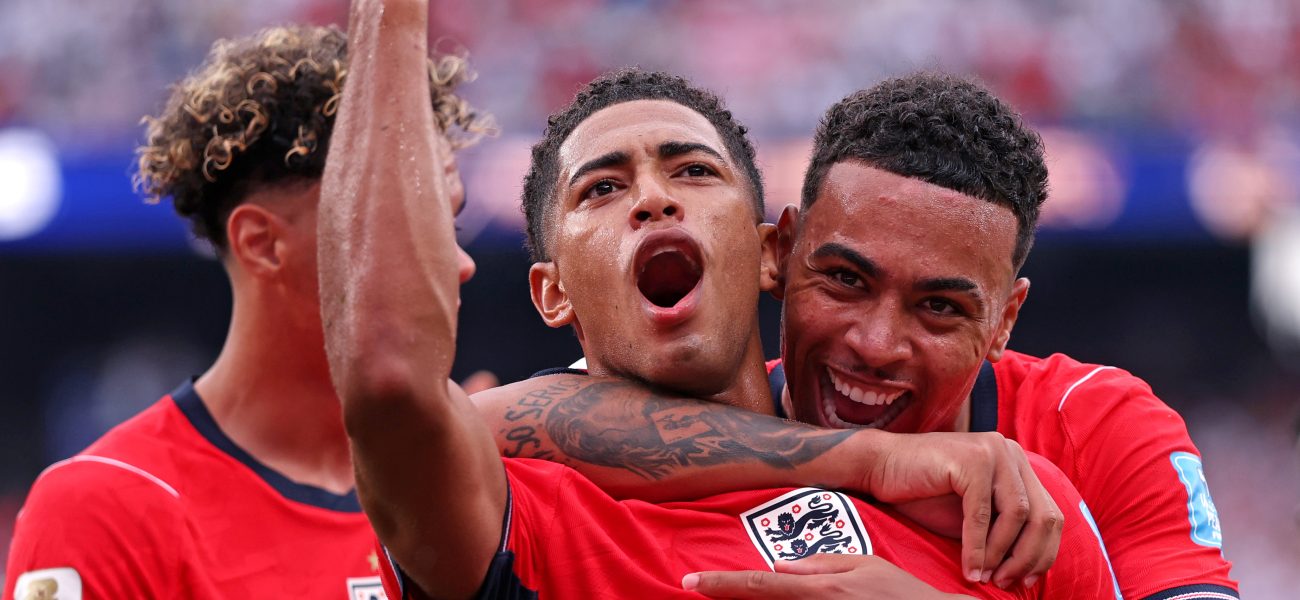
POLICY WIRE — London, UK — The front pages, believe it or not, aren’t fixated on burgeoning inflation or the latest delicate dance of diplomacy in the South China Sea. They’re certainly not poring over nuanced electoral reforms in emerging economies. No, Europe and its usual cadre of sporting spectacles have once again seized the global press by the throat, declaring the only narrative worth following involves 22 men and a spherical object. Spain survived, yes, — and some chap named Jude apparently saved a monarch (or at least, his team’s shot at glory).
It’s a peculiar thing, isn’t it, how rapidly the international agenda shifts? One moment, the chattering classes are dissecting GDP forecasts; the next, they’re scrutinizing VAR decisions. Major European dailies—from Madrid’s MARCA to France’s L’Equipe, not forgetting Italy’s La Gazzetta dello Sport—all sang the same, triumphant, monocultural tune. Their digital equivalents echoed it, with their metrics surely screaming approval. And the wire services? They’re often left scrambling to find a geopolitical hook for what’s, essentially, just a game.
But this isn’t merely about sporting fervor. It’s a barometer of global attention, a stark illustration of where collective priorities often lie—or are, more accurately, directed. News organizations, ever hungry for clicks — and readership, oblige. They’ll offer endless analysis on formations and fouls, often devoting acres of digital real estate to tales of athletic triumph while geopolitical tectonic plates shift unnoticed just beneath the fold.
“While we certainly applaud the spirit of competition and the human element of athletic endeavor, one can’t help but notice the world’s singular focus on ninety minutes of play, often sidelining dialogues that genuinely shape our shared future,” remarked Dr. Elara Vance, a geopolitical analyst with the Brussels Institute for Policy Studies, in a recent phone interview. “It’s a curious reordering of what constitutes ‘news.’”
And because the appetite for distraction appears boundless, the world dutifully consumed this sports-centric narrative. Even in regions grappling with their own complex internal — and external challenges, the highlights were devoured. A brief respite, perhaps. A chance to forget the daily grind.
For nations like Pakistan, where the daily headlines often paint a grim picture of economic instability, security concerns, or regional disputes, this European athletic fixation can feel… distant. Almost alien. While cricket holds undisputed sway in much of South Asia, the penetration of European football is also considerable, albeit framed differently. It’s a globalized media ecosystem that brings distant triumphs—or agonizing losses—right into Karachi living rooms, sometimes side-by-side with reports on flood recovery or political infighting. The contrasts are often quite jarring. A recent analysis by Nielsen Media reported that global spending on sports media rights alone topped an estimated $50 billion in 2022, far outpacing investments in core investigative journalism for social or political issues. That figure tells its own story.
📄 POLICY WIRE WHITEPAPER PUBLISHED: PAKISTAN'S NATIONAL SECURITY POLICY PRIORITIES
👉 READ BY CLICKING HERE“For many in our region, these global spectacles are fleeting entertainment, a brief reprieve from serious challenges. But the headlines that truly matter, the real ‘saves’ and ‘victories,’ often involve matters of economy, development, and climate stability, far from any manicured pitch,” offered Amira Khan, Director of Public Communications at Pakistan’s Ministry of Cultural Affairs. Her observation cuts to the quick, doesn’t it?
What This Means
The obsessive international coverage of European football isn’t merely a testament to the sport’s popularity; it’s a policy conundrum in miniature. For governments, it represents a potent tool—a relatively harmless, unifying force that can redirect national sentiment and divert public attention from less palatable truths. Or, if you’re being cynical, it’s an exquisitely timed distraction, offering collective euphoria (or despair) as a substitute for civic engagement.
Economically, it underscores the staggering commercial power of entertainment — and intellectual property. The marketing revenues, tourism, and associated industries represent a hefty chunk of Europe’s—and indeed, the world’s—economy. Policymakers elsewhere, from Islamabad to Abuja, often look to replicate this success, seeking ways to cultivate their own ‘soft power’ exports. But, such concentrated global attention also highlights a troubling media monoculture. When every major news outlet, irrespective of its national origin, largely aligns on what constitutes headline news, it leaves less room for critical discussion of diverse policy matters—whether they relate to the rising tide of nationalism, regional conflicts, or humanitarian crises that aren’t quite as ‘telegenic’ as a last-minute goal.
It certainly keeps us, the journalists, on our toes, deciding whether to write about global economic policy or a contentious penalty shootout. Most days, I confess, the lines blur.