


Diplomatic Grenade: Turkish Scorn Ignites New Mideast Flashpoint
POLICY WIRE — Tel Aviv, Israel — Another diplomatic barb just landed, folks, shattering the already fragile decorum of international relations. And it wasn’t some minor dust-up. It was a...

POLICY WIRE — Tel Aviv, Israel — Another diplomatic barb just landed, folks, shattering the already fragile decorum of international relations. And it wasn’t some minor dust-up. It was a heavyweight comment, an undeniable swing that echoed from Ankara to Jerusalem, hitting an open nerve, yet again. We’re talking about the sort of public pronouncement that rips off any pretense of budding normalcy between nations, exposing the raw animosity lurking beneath.
It began when Turkey’s top diplomat reportedly described Israel as a [QUOTE_PLACEHOLDER]. Not exactly an olive branch, is it? The statement, delivered with the characteristic Erdoğan-era bluntness, wasn’t merely a critique; it felt like a declaration, a sweeping judgment intended to stir more than just debate. You could almost feel the collective intake of breath from European capitals, who often try to navigate this thorny patch with considerably more—well, finesse, let’s call it.
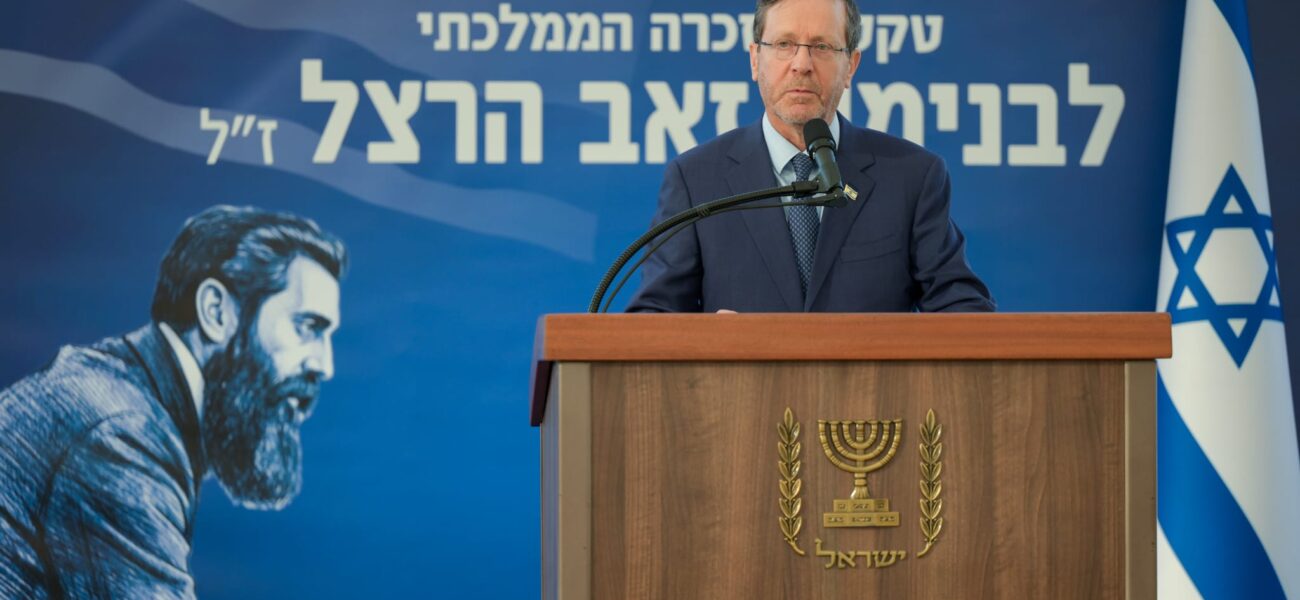
Naturally, the response from Jerusalem came swift — and unvarnished. Israel’s President Isaac Herzog didn’t pull any punches, either. He expressed outrage, of course. His office conveyed deep dissatisfaction, noting that such statements were [QUOTE_PLACEHOLDER]. It’s the kind of diplomatic exchange that makes you wonder if these two countries will ever really see eye-to-eye again. They’ve had their moments of pragmatic engagement, sure, but those seem to be fading fast into the rearview mirror, especially as regional crises deepen.
The Turkish stance isn’t just a fleeting thought; it’s steeped in years of President Erdoğan’s escalating rhetoric against Israel, especially concerning events in Gaza and the broader Palestinian issue. But this latest comment, describing an entire nation in such stark terms, signals a qualitative shift—or maybe just a louder articulation—of Turkish policy. Indeed, a recent survey conducted by the Pew Research Center in late 2023 indicated that only 13 percent of Turks held a favorable view of Israel, illustrating the depth of public sentiment underlying these diplomatic broadsides. And this sentiment, my friends, often finds fertile ground far beyond Turkish borders.
Across the Muslim world, from the bustling markets of Lahore to the quiet prayer halls of Jakarta, Ankara’s pronouncements carry significant weight. Many see Turkey as a powerful, albeit sometimes erratic, voice for Muslim solidarity on global stages. Pakistan, for instance, frequently echoes similar sentiments regarding the Palestinian struggle, often aligning itself with nations critical of Israel’s policies. When Ankara speaks like this, it isn’t just an isolated bilateral squabble; it fuels a narrative, it galvanizes support, and it shapes opinions in capitals like Islamabad where the issue of Palestine remains profoundly resonant.
But the consequences extend beyond mere opinion. This sort of language throws a monkey wrench into any attempts at regional de-escalation, already a tall order given the current Middle East instability. It also complicates Ankara’s relationships with Western allies who, while often critical of certain Israeli actions, certainly aren’t endorsing calls that paint the state as a [QUOTE_PLACEHOLDER]. They’re not. It’s a tightrope, you know? Turkey wants to project strength, sure, but it also needs to manage its position within NATO and its broader economic aspirations.
This particular episode serves as a harsh reminder that for all the back-channel whispers and tentative normalization talks that occasionally surface, the chasm between Turkey and Israel remains profound. And it’s only growing wider as leaders on both sides find it politically expedient to escalate rather than conciliate. They’re both playing to their domestic audiences, aren’t they? And those audiences, often steeped in their own historical grievances and religious fervor, aren’t exactly clamoring for compromise.
📄 POLICY WIRE WHITEPAPER PUBLISHED: PAKISTAN'S NATIONAL SECURITY POLICY PRIORITIES
👉 READ BY CLICKING HEREWhat This Means
This escalating war of words isn’t just background noise; it’s a critical indicator of shifting geopolitical alliances and deepened polarization across the Middle East and beyond. Politically, Turkey’s aggressive posture reinforces its role as a self-styled leader in the Muslim world, especially on issues tied to Palestine, potentially endearing it to states like Pakistan and Malaysia while further alienating it from its NATO partners seeking regional stability.
The economic ramifications, while not immediately devastating, certainly won’t help the precarious trade relationships or investment flows. When nations consistently hurl such severe accusations, it generates an atmosphere of uncertainty, deterring long-term economic engagement, regardless of existing bilateral treaties. It’s hard to build robust trade links when your foreign minister is essentially saying [QUOTE_PLACEHOLDER] about your potential partners.
And then there’s the broader stability angle. Such incendiary statements don’t just hang in the air; they reverberate, encouraging hardliners and making moderate diplomacy seem weak or traitorous. It creates an environment where reconciliation is less likely, and tensions are more apt to simmer—or boil over—as evidenced by the challenges facing states like Jordan and Egypt who attempt to balance complex regional relationships. It’s a calculated gamble from Ankara, betting that vocal support for Palestinian rights, however provocative, will ultimately strengthen its regional standing and influence, even if it means incurring diplomatic wrath elsewhere. It certainly hasn’t made regional peace any easier to achieve. Check out Dhaka’s Delicate Dance to understand similar geopolitical tightropes.